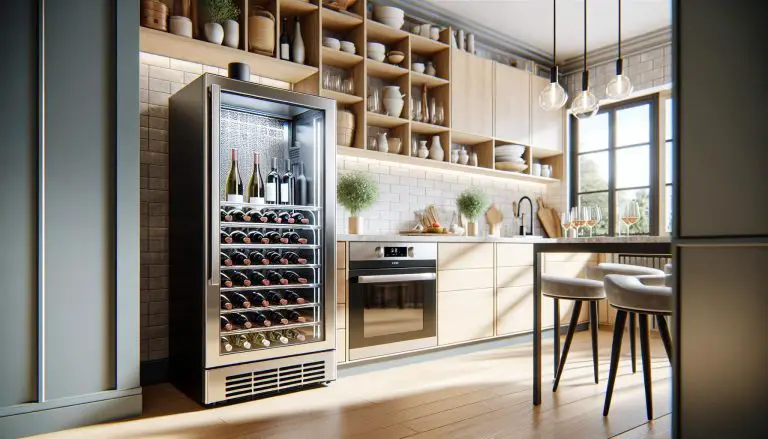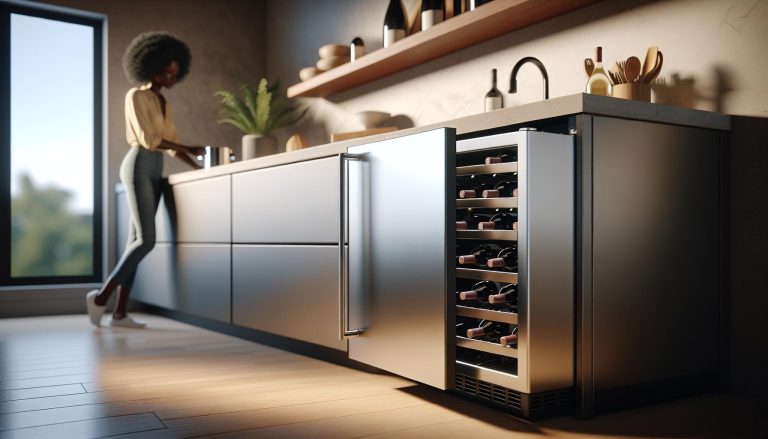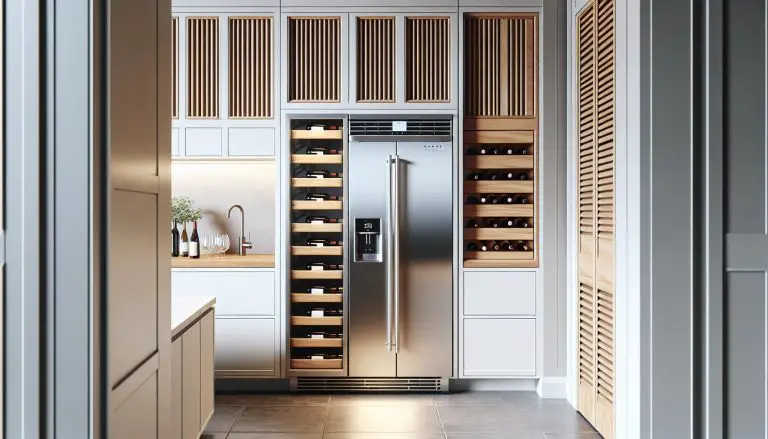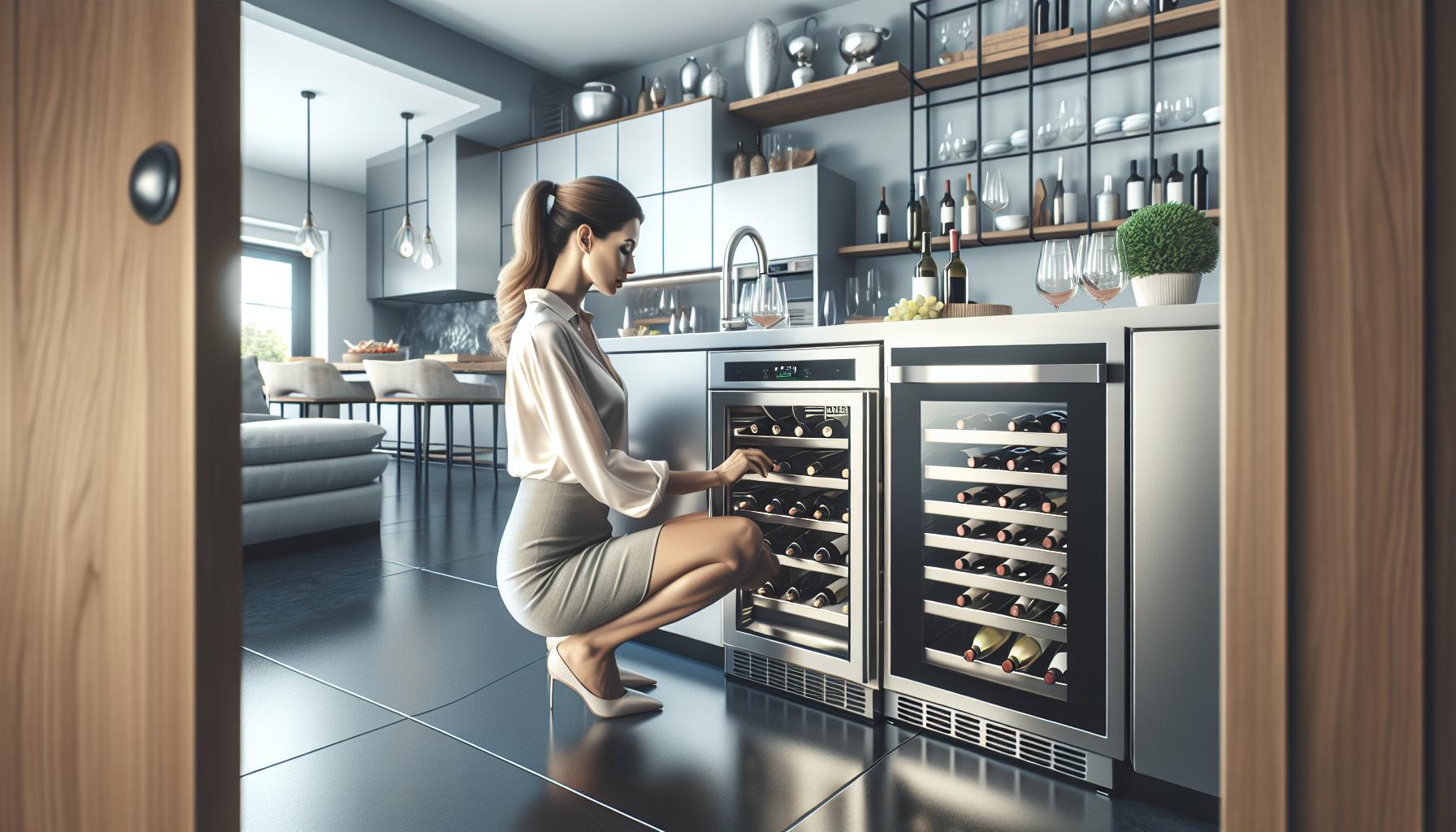
Ever found yourself staring at your kitchen, wishing you had a sleek, undercounter wine cooler to impress your guests and keep your favorite bottles at the perfect temperature? Installing a wine cooler undercounter might seem like a daunting task, but trust me, it’s easier than you think. With a bit of guidance and a few tools, you’ll have that cooler snugly in place and ready to chill your rosé in no time.
Obsah
- Key Takeaways
- Choosing the Right Wine Cooler
- Preparing the Installation Area
- Installation Process
- Testing and Final Adjustments
- Tips for Maintenance and Care
- Conclusion
- Frequently Asked Questions
- What is an undercounter wine cooler?
- How do I install an undercounter wine cooler?
- What should I check after installing my undercounter wine cooler?
- How often should I clean my undercounter wine cooler?
- Why is it important to check the door seal of my wine cooler?
- What are the benefits of regular maintenance for my wine cooler?
- How do I adjust the temperature settings on my wine cooler?
Key Takeaways
- Understanding Wine Cooler Types: Choose between single-zone, dual-zone, built-in, and freestanding wine coolers based on your wine storage needs and kitchen layout. Consideration of compressor-based options for consistent cooling is crucial.
- Essential Features: Look for adjustable temperature controls, reversible doors, UV-resistant glass doors, vibration dampening systems, and energy-efficient units to ensure functionality and wine preservation.
- Preparation Steps: Properly measure the space, ensure adequate ventilation, and verify electrical requirements to facilitate a smooth installation process.
- Installation Process: Carefully unbox and inspect the cooler, position it correctly, and secure it in place for optimal operation and safety.
- Testing and Adjustments: Conduct thorough checks for proper operation, ensure accurate temperature settings, and make necessary adjustments to prevent issues like improper door seals or vibrations.
- Maintenance Tips: Regular cleaning, inspection of the door seal, and routine maintenance like cleaning condenser coils are vital for maintaining the cooler’s performance and extending its lifespan.
Choosing the Right Wine Cooler
Finding the ideal undercounter wine cooler enhances both style and function in any kitchen. To make an informed decision, consider the following factors.
Types of Undercounter Wine Coolers
Different types of undercounter wine coolers offer varied benefits. Single-zone coolers maintain one consistent temperature, ideal for storing a specific type of wine. Dual-zone coolers, on the other hand, offer two separate temperature zones, catering to both red and white wines. Built-in coolers fit seamlessly into cabinetry, while freestanding units require more space but offer greater flexibility. Compressor-based coolers provide consistent cooling even in fluctuating room temperatures. Choosing the right type depends on your wine storage needs and kitchen layout.
Key Features to Look For
Numerous features enhance the functionality of a wine cooler. Adjustable temperature controls ensure precision in maintaining the desired wine temperature. Reversible doors provide flexibility in kitchen arrangements, fitting seamlessly into different layouts. UV-resistant glass doors protect wine from harmful light exposure, preserving its quality. Look for coolers with vibration dampening systems as these prevent sediment disturbance in your wine bottles. Finally, energy-efficient units reduce electricity consumption and contribute to a greener environment. Prioritize these key features to ensure your wine cooler meets your storage and functional needs.
Preparing the Installation Area

Before starting the installation, it’s essential to prepare the area properly. This preparation ensures a smooth installation process and optimal performance of the wine cooler.
Measuring the Space
Accurate measurements are crucial. I started by measuring the height, width, and depth of the available space. It’s important to leave at least 0.5 to 1 inch of space around the cooler for ventilation purposes. My wine cooler was 24 inches wide, so I ensured my cabinet opening was at least 25 inches wide. Another thing to consider is the depth, especially if the cooler door opens outwards. Knowing the dimensions of the space, I checked the manufacturer’s specifications to make sure the cooler would fit.
Ensuring Proper Ventilation
Ventilation helps maintain the wine cooler’s efficiency. I made sure my wine cooler had front venting since I planned to install it undercounter. Rear or side vented units require additional space, about 2-3 inches, to ensure they don’t overheat. Checking the manufacturer’s guidelines, I confirmed how much space was needed for air circulation. Proper ventilation prevents the compressor from working too hard, which can lead to energy inefficiency and potential damage.
Electrical Requirements
The cooler needs an electrical outlet nearby. I checked if the outlet was grounded and could support the cooler’s power requirements. Standard wine coolers usually require a 115V outlet, and mine was no exception. Ensuring the outlet was within reach of the cooler’s power cord, I avoided using extension cords to prevent potential electrical hazards. For safety, I also double-checked that the circuit could handle the additional load without tripping.
Installation Process

Installing a wine cooler undercounter is straightforward when you know each step.
Unboxing and Inspecting the Wine Cooler
First, carefully open the packaging. Remove all external and internal packing materials. Lift the cooler and check for any damages that may have occurred during transit. Inspect the glass door, hinges, and internal components for any visible issues. Confirm you have all accessories, such as shelves, handles, and screws. If anything’s missing, contact the manufacturer for replacements. Look for the user manual and read it thoroughly. This provides specific guidelines and safety instructions. Once everything’s in place, you can move on to positioning the cooler.
Positioning the Wine Cooler
Start by sliding the cooler into the designated space. Ensure the dimensions match the measurements taken earlier. Leave at least two inches of space around the sides for ventilation. Use a level to double-check that the cooler sits evenly. Adjust the feet as needed to achieve proper leveling. This prevents noise and operational issues. Position the cooler near a grounded outlet. This will ensure safe and efficient electrical connections. Before final adjustments, confirm the door has enough clearance to open fully.
Securing the Cooler in Place
Begin by fastening the cooler securely to prevent movement. Use the provided screws and brackets. Attach these to the cabinet structure if possible. Tighten the screws without overdoing it to avoid damaging the unit. Double-check the stability by giving the cooler a gentle push. If it wobbles, make minor adjustments. Once stable, plug the cooler into the electrical outlet. Turn it on to verify it works correctly. Finally, adjust the temperature settings as per the user manual. Ensure it follows the recommended levels for optimal wine storage.
Testing and Final Adjustments
Starting the testing phase ensures everything functions correctly before using the wine cooler regularly. Careful inspection now prevents issues later.
Checking for Proper Operation
First, plug the wine cooler into the outlet. Listen to ensure the compressor starts operating. Check the control panel’s display to confirm it lights up as expected. Place a thermometer inside the cooler. Let it run for an hour. Compare the inside temperature with the cooler’s display to ensure accuracy.
Next, inspect the door seal. Close the door with a piece of paper trapped. If the paper slides out easily, the seal might not be proper. Look for any airflow obstructions in the vents. Ensure nothing blocks them.
Finally, pay attention to any unusual noises. The cooler should operate quietly, with only a gentle hum. If loud rattles or vibrations occur, recheck the installation for loose screws or misalignment.
Making Necessary Adjustments
If the temperature shown on the cooler’s display differs from the actual temperature, adjust the settings according to the user manual. Utilize the calibration feature available on most models. Make small adjustments incrementally. Wait at least an hour between changes. Check the temperature reading after each adjustment.
Consider the door seal next. Tighten any loose screws on the door if needed. Replace the seal if it remains problematic. Proper sealing is crucial for maintaining temperature stability.
Revisit the placement of the wine cooler if vibrations persist. Ensure the unit sits evenly on the floor. Use leveling legs if necessary to achieve balance. Verify that no part of the cooler touches surrounding cabinetry, which can cause noise.
After making these adjustments, monitor the cooler’s operation for an additional hour. Confirm that it maintains the set temperature and operates smoothly.
Tips for Maintenance and Care
Proper maintenance ensures the wine cooler’s optimal performance and extends its lifespan. Regular care helps maintain temperature stability and keeps the appliance in good working order.
Cleaning the Wine Cooler
Regular cleaning of your wine cooler is crucial. First, unplug the cooler to ensure safety. Remove all bottles and shelves. Use a soft cloth and a mixture of mild soap and water to clean the interior. Avoid abrasive cleaners that might damage surfaces. Wipe down the shelves and allow them to dry completely before reinstalling. Clean the door seal with a damp cloth. Ensure no debris is left that could affect the seal’s integrity. For the exterior, use a stainless steel cleaner if applicable, following the product instructions. Regular cleaning minimizes dust and ensures the cooler operates efficiently.
Routine Maintenance
Routine maintenance of your wine cooler involves several steps. Check the temperature settings periodically to ensure they remain consistent. Inspect the door seal regularly for any signs of wear or damage. Replace it if necessary to maintain proper insulation. Clean the condenser coils every six months. This can be done using a vacuum cleaner or a coil brush. Ensure the cooler is level, adjusting the feet if needed. Regularly review the cooler’s manual for any additional maintenance tips specific to your model. These practices help maintain your wine cooler’s performance and prolong its lifespan.
Conclusion
Installing an undercounter wine cooler can truly enhance your kitchen’s functionality and aesthetic. By following the detailed steps for installation and making necessary adjustments, you can ensure your wine cooler operates efficiently. Regular maintenance practices like cleaning and checking temperature settings will keep your cooler in top shape. Investing time in these tasks not only extends the lifespan of your cooler but also ensures your wine collection remains perfectly stored and ready to enjoy.
Frequently Asked Questions
What is an undercounter wine cooler?
An undercounter wine cooler is a specialized appliance designed to store wine at optimal temperatures. It fits seamlessly under kitchen countertops, making it an elegant and practical addition to modern kitchens.
How do I install an undercounter wine cooler?
Installation typically involves measuring the space, ensuring proper ventilation, positioning the cooler, and securing it according to the manufacturer’s instructions. Professional installation is recommended for best results.
What should I check after installing my undercounter wine cooler?
After installation, check the cooler’s operation, adjust temperature settings, verify door seals, and ensure it is level for proper functionality and temperature stability.
How often should I clean my undercounter wine cooler?
It’s advisable to clean your wine cooler regularly, including wiping down the interior, checking temperature settings, and cleaning condenser coils every few months to maintain optimal performance.
Why is it important to check the door seal of my wine cooler?
A proper door seal ensures that the cooler maintains a stable temperature, which is crucial for preserving wine quality and ensuring energy efficiency.
What are the benefits of regular maintenance for my wine cooler?
Regular maintenance extends the lifespan of your wine cooler, ensures efficient operation, and keeps your wine stored under ideal conditions, enhancing both the performance and durability of the appliance.
How do I adjust the temperature settings on my wine cooler?
Most wine coolers have a digital control panel or dial. Refer to the user manual for specific instructions on adjusting the temperature to suit different types of wine.