Types of Wine is an overarching taxonomical classification framework organizing the global world of viticulture by grape varietals, vinification methodologies, color spectrums, sweetness levels, effervescence, and regional appellations.

Foundational Pillars (Start Here)

Master Red Guide

Syrah Red Wine: The Complete Guide to Flavors, Terroirs, and Global Styles

A foundational masterclass exploring major global red varietals, tannin structures, and regional terroir expressions.

Sparkling Taxonomy

Is Chardonnay Champagne or Wine? Navigating Wine Categories

Demystifying Champagne vs. still Chardonnay, sparkling vinification methods, and appellation legal boundaries.

Culinary Synergy

What Wine with Indian Food? Curating Indian Cuisine Pairings

Solving complex culinary challenges: pairing aromatic whites and fruit-forward reds with spiced Indian cuisines.

The Global Wine Taxonomy: Classifications, Vinification & Terroir

Navigating the immense world of wine requires an oenological framework dividing wines into five foundational categories: Red, White, Rosé, Sparkling, and Fortified/Dessert. Each category is defined by grape varietal genetics, skin maceration time, temperature-controlled fermentation protocols, and maturation vessels (stainless steel, concrete eggs, or oak barriques). In red wines, grape skins remain in contact with must throughout fermentation, extracting tannins, color pigments (anthocyanins), and resveratrol.

In white wines, grapes are pressed immediately to ferment clear juice, emphasizing vibrant acidity, floral terpenes, and crisp fruit. Sparkling wines incorporate secondary fermentation to trap effervescent carbon dioxide, while fortified wines (like Port, Sherry, and Madeira) arrest fermentation through the addition of high-proof grape spirits to preserve natural sugars and ensure extraordinary stability. Understanding these foundational axes allows any enthusiast to predict flavor, body, and pairing compatibility instantly.

Master Wine Classification & Structural Overview

Primary Wine TypeKey Vinification MethodTypical Alcohol (ABV)Benchmark Global Examples
Full-Bodied Red WineExtended skin maceration (2–4 weeks); oak aging13.5%–15.5%Cabernet Sauvignon, Syrah/Shiraz, Nebbiolo, Malbec
Light/Medium Red WineShort maceration; gentle extraction; neutral casks12.0%–13.5%Pinot Noir, Gamay (Beaujolais), Sangiovese, Grenache
Crisp Mineral WhiteStainless steel fermentation; cold settling; no oak11.5%–13.0%Sauvignon Blanc, Pinot Grigio, Chablis, Albariño
Rich Full-Bodied WhiteOak barrel fermentation; malolactic conversion; batonnage13.0%–14.5%Oaked Chardonnay, Viognier, White Rhône blends
Sparkling WineMéthode Traditionnelle or Charmat tank method11.0%–12.5%Champagne, Prosecco, Cava, Franciacorta
Fortified & Dessert WineNeutral grape spirit fortification or noble rot / drying15.0%–20.0%Vintage Port, Oloroso Sherry, Sauternes, Tokaji

Topic Directory & Expert Guides

Frequently Asked Questions

How many main types of wine are there?

The five fundamental categories of wine are Red, White, Rosé, Sparkling, and Fortified/Dessert. Each category encompasses hundreds of distinct varietals and regional appellations.

What determines whether a wine is light, medium, or full-bodied?

Body is dictated by alcohol content, extract (soluble solids), tannin level, and oak aging. Wines with over 13.5% ABV generally feel richer and heavier on the palate.

Can white wine be made from red grapes?

Yes. Because almost all red grapes have clear juice, pressing grapes immediately without skin contact yields white wine (known as Blanc de Noirs, common in Champagne).

Is Chardonnay Champagne or Wine? Navigating Wine Categories

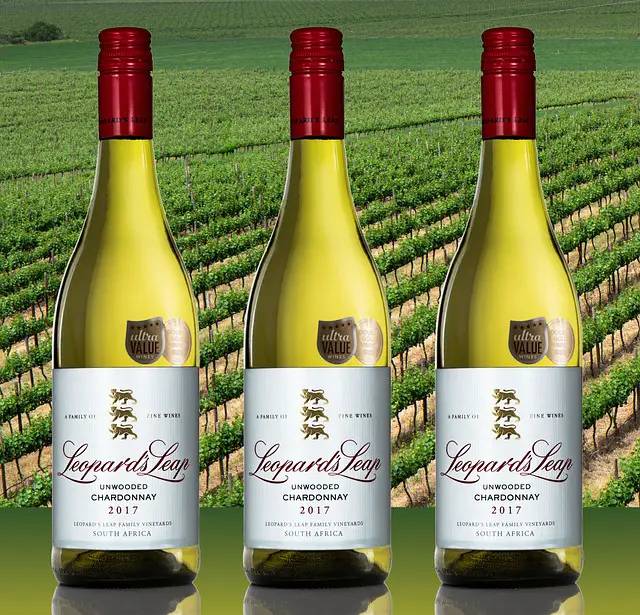
Chardonnay is often misunderstood when it comes to categorizing it as champagne or wine. Let's clear the air - Chardonnay is indeed a wine. While champagne can be made with Chardonnay as one of its grape varieties, Chardonnay on its own is considered a still white wine. Understanding these wine categories is crucial for wine enthusiasts looking to explore the world of flavors and aromas.

0 Comments

What Wine with Indian Food? Curating Indian Cuisine Pairings

When it comes to pairing wine with Indian food, it's all about finding the right balance of flavors. Aromatic, spicy dishes call for wines with a touch of sweetness, like Riesling or Gewürztraminer. For richer, tomato-based curries, a medium-bodied red like Grenache or Syrah works great. Want to enhance the heat? Opt for a crisp, off-dry white like Chenin Blanc. And for those seeking a refreshing choice, try a sparkling wine like Prosecco. So next time you indulge in some Indian cuisine, don't forget to elevate the experience with a perfectly paired wine. Cheers!

0 Comments

Where Dreams Have No End Wine: A Journey Through Flavor

Where Dreams Have No End Wine: A Journey Through FlavorEmbark on a remarkable wine adventure as we delve into the world of "Where Dreams Have No End" wine. Discover the captivating flavors, rich aromas, and exceptional craftsmanship that make this wine truly extraordinary. Join us as we explore the vineyards, meet the passionate winemakers, and uncover the stories behind each bottle. Get ready to savor a wine experience like no other, where dreams truly have no end. So raise your glass and let your taste buds be tantalized by a symphony of flavors. Cheers to a journey through flavor!

0 Comments

Is Josh Wine Kosher? Exploring Wine and Faith

Is Josh Wine Kosher? Exploring Wine and FaithWine has always played a significant role in religious ceremonies. Many wonder if Josh Wine holds the kosher label. Kosher wines adhere to strict Jewish dietary laws and undergo special processes. Thankfully, Josh Wine is indeed kosher, making it a suitable choice for those observing Jewish traditions. With its delectable taste and faith-friendly certification, Josh Wine offers a delightful way to enjoy religious festivities with family and friends.

0 Comments

What Does Champagne Taste Like? Exploring the Flavors of Champagne

Champagne, the epitome of luxury and celebration, boasts a unique flavor profile that tantalizes the taste buds. With its effervescent bubbles, expect a lively experience on your palate. Dry, crisp, and refreshing, Champagne often showcases notes of green apple, citrus, and pear. Some varieties exhibit toasty aromas like freshly baked bread or almonds. Each sip offers a harmonious balance of acidity and sweetness, creating a delightful sensory experience. Whether you prefer a brut, rosé, or vintage Champagne, exploring its nuanced flavors guarantees an unforgettable taste adventure.

0 Comments

What Is the Dryest White Wine? Exploring Crispness

When it comes to white wine, crispness is often a sought-after quality. But which white wine can claim the title of the driest? While personal preferences vary, Sauvignon Blanc and Chenin Blanc are renowned for their bone-dry profiles. These wines possess high acidity, low sweetness, and refreshing notes of citrus and green apple. Additionally, Riesling from certain regions such as Alsace or Germany can be exceptionally dry. It's important to note that dryness is subjective, so don't be afraid to experiment and find the perfect white wine that suits your taste buds.

0 Comments

Is Prosecco Acidic? Unveiling the Acidity

Prosecco, the popular Italian sparkling wine, has gained immense popularity in recent years. One often wonders about its acidity levels. Unveiling the acidity of Prosecco sheds light on its production process, grape varietals, and taste profile. This article aims to provide an informative insight into the acidity of Prosecco, helping you better appreciate this delightful beverage. So let's dive in and uncover the acidity behind this fizzy favorite!

0 Comments

De Ricci Wine: Experiencing Luxury Elegance

De Ricci Wine is the embodiment of luxury and elegance. Crafted with meticulous attention to detail, each bottle tells a story of passion and excellence. The exceptional flavors, sourced from the finest vineyards, tantalize the taste buds and transport you to a world of indulgence. Whether you're a seasoned wine connoisseur or a novice enthusiast, De Ricci Wine promises an unforgettable experience that epitomizes opulence. Discover a symphony of aromas and a velvety texture that lingers on the palate, inviting you to savor every sip. Indulge in the purity of De Ricci Wine, and elevate your wine journey to new heights of sophistication.

0 Comments

Is Apothic Red Wine Sweet? Savoring Flavor Profiles

When it comes to Apothic Red Wine, many wonder if it falls under the sweet category. The answer lies in its flavor profiles. With notes of dark berries, chocolate, and a hint of vanilla, Apothic Red is indeed a smooth and indulgent wine. However, it also boasts balanced acidity and tannins, making it more versatile than overly sweet options. So, while it offers a touch of sweetness, Apothic Red Wine truly caters to a wide range of palates.

0 Comments

Does Champagne Have Yeast? Exploring the Fermentation Process

Champagne, the epitome of celebration, owes its effervescence to yeast. During fermentation, yeast converts sugar into alcohol and carbon dioxide, creating those beloved bubbles. Champagne undergoes a two-stage fermentation process, where the second takes place inside the bottle. Here, yeast plays a crucial role in developing its unique flavors. By understanding the vital role yeast plays in the production of Champagne, we can truly appreciate the craftsmanship behind this elegant beverage.

0 Comments

Expiration Date on Wine Bottle: Find It with This Guide

When it comes to wine, knowing the expiration date is crucial for a delightful experience. But where can you find it? Look no further! This informative guide will equip you with the knowledge to locate the expiration date on wine bottles with ease. Enhance your wine-drinking experience by staying informed and savoring every sip.

0 Comments

Sauvignon Blanc vs. Chardonnay: Which Is Sweeter?

When it comes to wine, it's important to understand the differences between Sauvignon Blanc and Chardonnay. While both are popular white wines, they differ in sweetness levels. Sauvignon Blanc tends to be crisper and more acidic, while Chardonnay can offer a richer, buttery taste. The sweetness of each wine depends on factors like climate, grape ripeness, and winemaking techniques. Ultimately, the choice between Sauvignon Blanc and Chardonnay boils down to personal preference and the occasion. Whether you prefer a zesty, refreshing sip or a velvety, indulgent experience, both wines have something unique to offer.

0 Comments

Will Champagne Explode in Freezer? Busting the Myth

As the New Year's Eve countdown approaches, many may wonder, "Will champagne explode in the freezer?" Let's bust this myth once and for all. Rest assured, a properly sealed bottle of champagne won't explode in the freezer. However, the carbon dioxide inside might expand, forcing the cork to pop when opened. To avoid this, chill your bubbly in the fridge instead of the freezer for a perfect celebration.

0 Comments