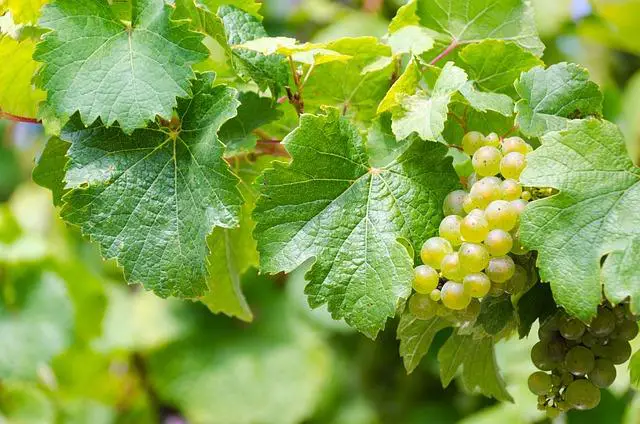
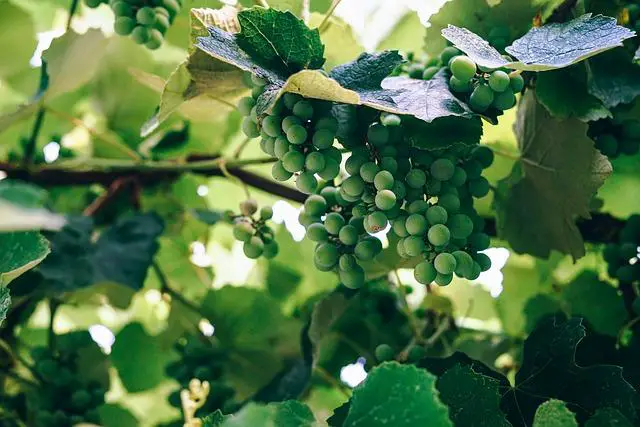
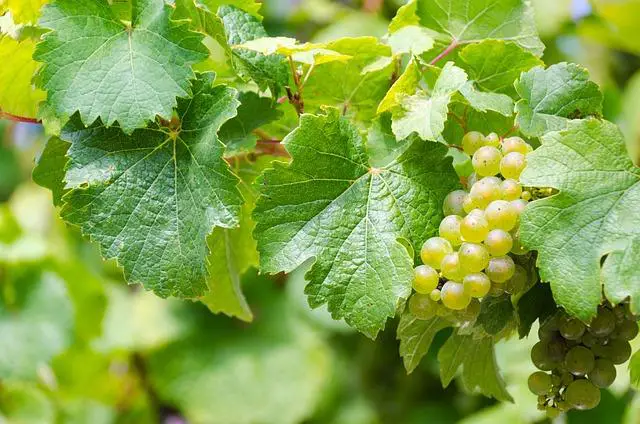
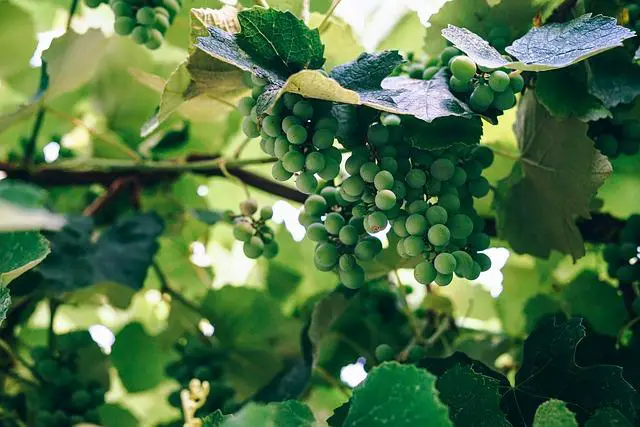
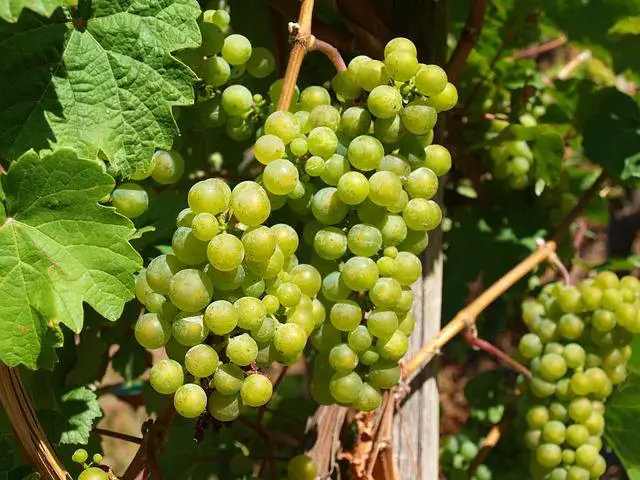
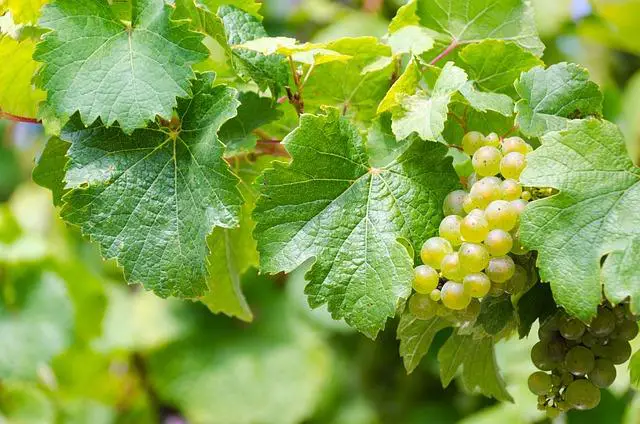
Riesling is widely revered by sommeliers and master winemakers as the world’s most noble and transparent white grape. Renowned for its extraordinary natural acidity, aromatic perfume (white peach, petrol TDN, lime blossom), and ability to express terroir across a spectrum from bone-dry (Trocken) to unctuous botrytized dessert wines, explore our Riesling buying guide.
Noble Riesling: Global Terroirs and Prädikat Classification
Unlike almost any other white grape, Riesling achieves transcendent quality without oak aging or malolactic fermentation. Its high natural tartaric and malic acidity balances residual fruit sugars and guarantees decades of graceful cellar aging.
Mosel Slate Minerality vs. Finger Lakes and Clare Valley Dry Styles
1. German Mosel & Rheingau (The Slate Terroirs)
Steep blue and red Devonian slate riverbanks reflect radiant heat, producing low-alcohol (7.5%–9.5% ABV), feather-light Kabinett and Spätlese Rieslings with dazzling green apple, slate flint, and honeyed apricot.
2. New York Finger Lakes (Seneca & Cayuga Lakes)
Glacial gravel soils and deep lake microclimates create crisp, aromatic dry and semi-dry Rieslings with lime zest, white peach, and vibrant mineral tension.
3. Australian Clare & Eden Valley (Bone-Dry Lime Bombs)
Bone-dry, bracing Rieslings with pure Tahitian lime juice, chalk, and legendary paraffin/petrol complexity with age.
Riesling Sweetness & Classification Matrix
German Prädikat / Style
Harvest Ripeness
Residual Sweetness Level
Primary Flavor Notes
Food Pairing
Trocken (Dry)
Standard Harvest
Bone Dry (< 9 g/L)
Green apple, lime zest, slate
Shellfish, sushi, schnitzel
Kabinett
Early Picked / Light
Off-Dry (Semi-Sweet)
White peach, lime blossom, flint
Spicy Thai curry, Mexican tacos
Spätlese
Late Harvest (Fully Ripe)
Medium Sweet
Apricot, candied ginger, honey
Roast pork, duck, washed-rind cheese
Frequently Asked Questions (FAQ)
Is all Riesling wine sweet?
No, over half of all global Riesling produced today is fermented completely dry (labeled ‘Trocken’ in Germany, or produced dry in Alsace, Austria, Australia, and Oregon).
What is the petrol / kerosene aroma in aged Riesling?
The distinctive petrol aroma comes from 1,1,6-trimethyl-1,2-dihydronaphthalene (TDN), a natural compound formed during bottle aging from grape carotenoids exposed to intense vineyard sunshine.
A to Z Wineworks Riesling takes us on an exciting journey into the world of winemaking. Discover the meticulous process behind creating this exceptional wine and explore the distinct flavors and qualities that make Riesling a favorite among wine enthusiasts. Join us as we delve into the artistry and craftsmanship that goes into producing this remarkable bottle of wine.
Riesling, a popular wine choice, brings pleasure to many. But have you ever wondered about its calorie content? A standard glass of Riesling typically contains around 120-130 calories. This fruity and crisp white wine is a refreshing option, but remember to enjoy it in moderation to keep your caloric intake in check.
Riesling, a classic German wine known for its diversity, offers an enchanting journey through its A to Z range. This white wine, with its remarkable acidity and fruity aromas, captures the essence of its terroir. From dry to sweet, Riesling caters to all palates, making it a versatile and beloved choice among wine connoisseurs globally. Explore the world of Riesling and unlock its hidden treasures, sip by sip.
Once you've enjoyed a glass of Riesling, it's essential to store it properly to maintain its unique essence. Firstly, reseal the bottle tightly to keep out air and light. Store it in a cool, dark place, ideally a refrigerator, to delay oxidation. Remember, Riesling does not age well, so try to consume it within a week or two. If you can't finish the bottle, consider investing in a wine-preserving system that removes the air and keeps the wine fresh for longer. With these simple steps, you can savor the flavor of your Riesling long after opening.
Riesling and Moscato are two popular wines known for their sweetness. But which one takes the crown in the sweetness contest? Let's dive into the flavors to uncover the truth. Both varietals offer a range of sweetness levels, but generally, Moscato tends to be sweeter with its fruity and floral notes. Riesling, on the other hand, can vary from bone dry to lusciously sweet. Ultimately, personal preference plays a crucial role in determining which one is sweeter. So, next time you raise your glass, remember that the sweetness journey is subjective and unique for each wine lover.
Riesling, the world-renowned white wine, often sparks the debate of whether it should be chilled or not. The answer? Yes, Riesling should be served chilled to enhance its crispness and fruity flavors. Aim for a temperature of around 45-50°F to fully appreciate its character. However, be cautious not to over-chill as extreme coldness may suppress its aromas. Experiment with different serving temperatures to find your ideal balance and savor the perfect glass of Riesling every time. Cheers!
Are you a fan of Riesling? Then you don't want to miss the A to Z Riesling 2020! This vintage offers exciting new flavors and aromas, showcasing the best qualities of this beloved grape variety. From its vibrant acidity to its luscious fruit character, discover what makes the A to Z Riesling 2020 a must-try for wine enthusiasts. Whether you're a seasoned Riesling lover or a newcomer to this varietal, this wine promises a delightful and unforgettable experience. Cheers to the A to Z Riesling 2020!
Riesling, with its distinct flavor profile, is loved by wine enthusiasts worldwide. But how long does it last? Well, the shelf life of Riesling largely depends on various factors like storage conditions and vintage. In general, a good bottle of Riesling can last up to 10 years. However, some aged Rieslings gain complexity and can surprise you even after two decades. Proper cellaring and ideal temperatures around 55°F (13°C) maximize its longevity. So, enjoy Riesling fresh or hold onto it for a future treat, knowing it will age gracefully over time.
Chateau Ste. Michelle Riesling is renowned among wine enthusiasts, but does it lean towards sweet or dry? Let's unravel its flavor profile. Boasting a natural human tone, this informative piece will confidently explore the wine, its distinct attributes, and whether it falls on the sweet side. Get ready to uncover and savor the essence of Chateau Ste. Michelle Riesling!
When it comes to serving Riesling, there are a few key things to keep in mind. First, the temperature is crucial. Serve it slightly chilled, around 45-50°F, to allow the flavors to shine. Next, choose the right glass – a tall, narrow one will concentrate the aromas. Lastly, take your time to appreciate its characteristics – Riesling is known for its balance of acidity and sweetness. By following these simple steps, you can truly elevate your wine service skills and enhance the enjoyment of this wonderful wine.
Riesling, a delightful German white wine known for its versatility, begs the question - should it be chilled? Finding the perfect serving temperature is key to unlocking its complexity. By decoding the ideal chill factor, we can truly appreciate Riesling's aromatic profile, lively acidity, and distinctive flavors. Get ready to learn the secret behind serving this wine at its finest and take your Riesling experience to new heights.
Riesling, the versatile white wine, has a shelf life influenced by various factors. Proper storage, such as cool and dark conditions, can extend its lifespan up to 20 years. However, most Rieslings are enjoyed within 3-10 years. Sweeter varieties tend to age gracefully, while dry ones offer vibrant flavors when young. Remember, Riesling's quality can evolve extensively, so trust your taste buds when determining if it's still good to sip. Enjoy this exquisite wine at its peak and savor the experience!
If you're seeking the distinctive Moselland Cat Riesling, you're in for a treat. Known for its eye-catching bottle featuring a whimsical cat-shaped label, this unique vintage is a must-try. Fortunately, it's not too hard to find. Many online retailers, local wine shops, and even some supermarkets offer this delightful wine. So whether you're planning a cozy night in or a special occasion, you can easily get your hands on a bottle of Moselland Cat Riesling and savor its exceptional flavors. Cheers!
Riesling, the elegant German wine, often leaves people stumped when it comes to pronunciation. Fear not, for we have a quick guide to help you perfect it. It's pronounced "REEZ-ling," with a soft "s" sound. Now, impress your friends at the next dinner party with your impeccable pronunciation and knowledge of this delightful wine! Cheers!
Riesling is often associated with its traditional still wines, but did you know that it can also sparkle? Yes, Riesling can be made into a delicious sparkling wine. With its vibrant acidity and citrusy flavors, a sparkling Riesling offers a crisp and refreshing alternative to Champagne. Whether from Germany, Austria, or even Australia, these bubbling beauties are perfect for any celebration. So next time you're in the mood for some bubbles, don't overlook Riesling - it might just become your new favorite sparkling wine!
Barefoot Riesling is a popular choice among wine enthusiasts, but have you ever wondered about its alcohol content? Well, look no further! With an alcohol level of around 9%, this off-dry white wine offers a light and refreshing taste. As with any alcoholic beverage, moderation is key to enjoying it responsibly. So, next time you reach for a bottle of Barefoot Riesling, now you'll have a better understanding of what you're pouring into your glass. Cheers!
When it comes to comparing sweetness levels, Riesling and Pinot Grigio have distinct profiles. Riesling tends to be sweeter due to its higher residual sugar content, while Pinot Grigio is typically drier and crisper. However, it's important to note that not all Rieslings are sweet, as there are also dry and off-dry variations available. Understanding these differences can help you make an informed choice based on your personal taste preferences.
Riesling, a beloved white wine, has long been shrouded in mystery when it comes to aging potential. Many wonder if it can develop the complex flavors that come with age. Luckily, we have unraveled this enigma. Understanding the varietal's characteristics and its unique aging process provides insight into how Riesling can evolve over time. This article delves into the factors that contribute to Riesling's aging potential, helping wine enthusiasts make informed decisions about cellaring this exceptional grape variety.
When it comes to sweet wines, both moscato and riesling are popular choices. But is one sweeter than the other? The answer lies in the levels of residual sugar. Moscato typically has higher levels of sweetness, ranging from semi-sweet to dessert wine, while riesling can vary from dry to sweet. It ultimately comes down to personal preference and the occasion. Whether you crave the sweet, fruity notes of moscato or the balanced sweetness of riesling, both are delightful options to satisfy your sweet tooth.
When it comes to serving Riesling, temperature is vital. Contrary to popular belief, chilling Riesling enhances its refreshing qualities without muting its flavors. Ideally, serve it between 45°F and 50°F to enjoy its zesty acidity, aromatics, and perfect balance. So next time you uncork a bottle, remember to chill it to unlock the true secrets of Riesling's complex character. Cheers!