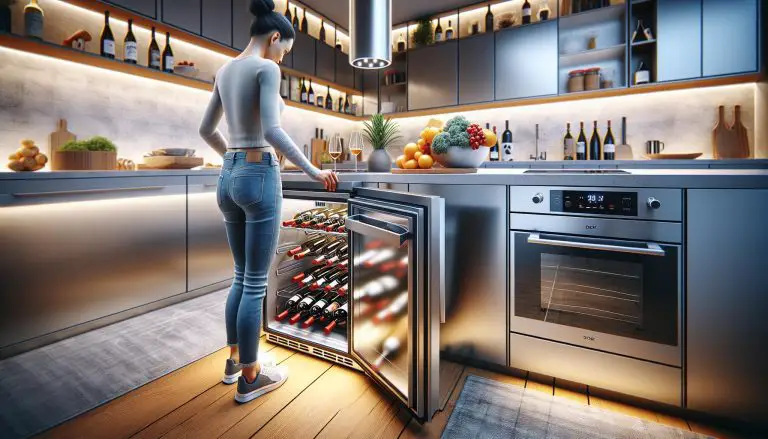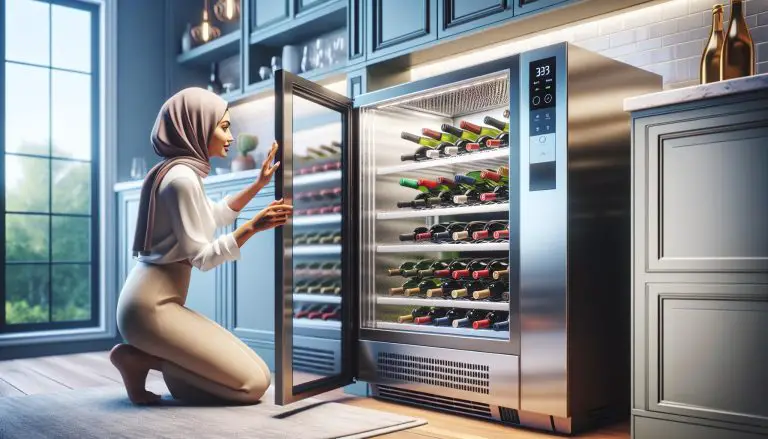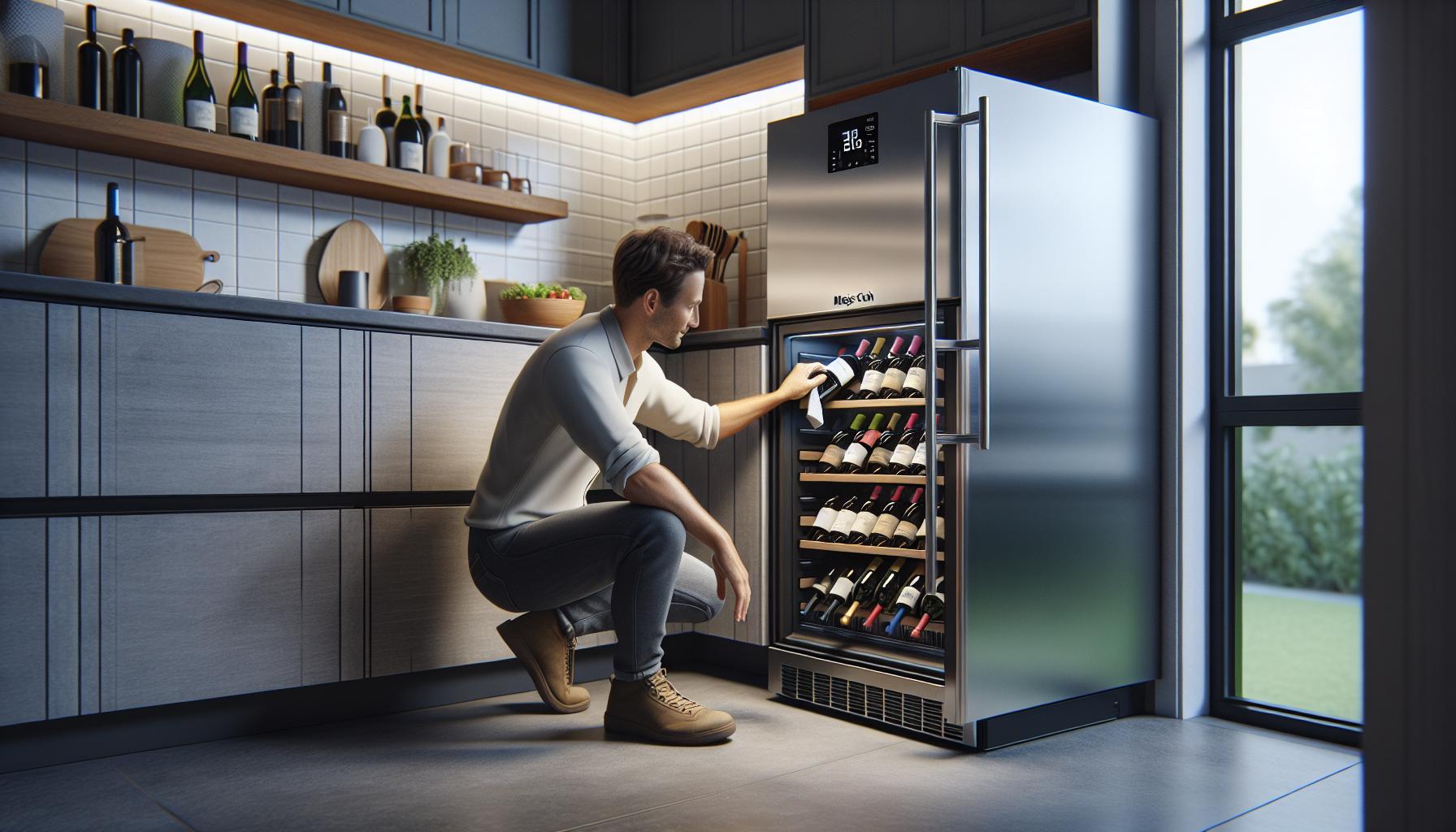
Ever found yourself reaching for a perfectly chilled bottle of wine only to discover your Magic Chef wine cooler isn’t quite living up to its name? It’s a bummer, right? But don’t worry, I’ve got your back. Knowing how to make your Magic Chef wine cooler colder can transform your wine experience from lukewarm to legendary.
Obsah
- Key Takeaways
- Understanding Your Magic Chef Wine Cooler
- Common Reasons Your Wine Cooler Isn’t Cold Enough
- Step-by-Step Guide to Make Your Magic Chef Wine Cooler Colder
- Additional Tips for Optimal Performance
- Conclusion
- Frequently Asked Questions
- How can I improve the cooling performance of my Magic Chef wine cooler?
- What regular maintenance should I perform on my wine cooler?
- Why is cleaning the condenser coils important?
- How often should I replace the air filter in my wine cooler?
- How do I ensure my wine cooler is level?
- How can I monitor my wine cooler’s performance?
- What should I do if the door seal is not airtight?
- Why is it important to keep maintenance records?
Key Takeaways
- Understand Your Appliance: Familiarize yourself with the components of the Magic Chef wine cooler, including the control panel, cooling unit, and door seal, to optimize its cooling efficiency.
- Check Common Issues: Inspect the thermostat, door seal, and cooler placement for potential problems that might prevent the cooler from maintaining the desired temperature.
- Thermostat Adjustments: Regularly monitor and adjust the thermostat settings to ensure your wine cooler maintains a consistent temperature between 45 and 55 degrees Fahrenheit.
- Proper Maintenance: Keep condenser coils, vents, and door seals clean and replace any damaged parts to enhance cooling performance.
- Optimal Placement: Place the wine cooler in a well-ventilated, shaded area away from direct sunlight and heat sources to improve its cooling efficiency.
- Regular Monitoring: Use a separate thermometer to check the internal temperature regularly, and inspect for unusual noises and issues to ensure the wine cooler operates efficiently.
Understanding Your Magic Chef Wine Cooler
Magic Chef wine coolers keep wine at optimal temperatures. It’s crucial to understand its components to make it colder. Inside the cooler, you’ll find shelves, a control panel, and a cooling unit. The control panel lets you adjust the temperature. Inspect the shelves and ensure they aren’t obstructing airflow.
Explore the cooling unit at the back. It contains a compressor, evaporator, and condenser. The compressor plays a significant role in cooling. Ensure it’s working efficiently. Clean dust off the condenser to improve performance.
The cooler’s location impacts its effectiveness. Ensure it’s not in direct sunlight. Keep it away from heat sources. Maintaining proper ventilation around the cooler enhances its cooling capability.
The door seal is another key component. Check for gaps that might let warm air in. Replace the seal if it’s worn out. Proper sealing ensures the cooler maintains a stable temperature.
Understanding your Magic Chef wine cooler’s parts and placement helps optimize its cooling efficiency.
Common Reasons Your Wine Cooler Isn’t Cold Enough

A Magic Chef wine cooler may not always maintain the desired temperature. Check for several common issues to restore optimal performance.
Thermostat Issues
Thermostats play a crucial role in maintaining the proper temperature. If the cooler isn’t reaching the set level, the thermostat may be malfunctioning. Key signs include frequent cycling on and off or not responding to adjustments. Recalibration or a simple replacement solves most thermostat issues. Always consult the manual or an authorized service provider. A faulty thermostat disrupts the cooling cycle, causing inconsistent temperatures.
Door Seal Problems
Another common culprit is the door seal. Broken or worn seals let warm air in, making it hard to maintain the set temperature. Inspect the seal for cracks, gaps, or warping. Regularly clean the seal with mild detergent to prevent residue buildup. Replace the seal if any damage is found. A tight door seal ensures the cooler operates efficiently.
Placement and Ventilation
Proper placement and ventilation are vital for efficient cooling. Ensure the cooler isn’t in direct sunlight or near heat sources. Ventilation around the unit helps dissipate heat from the condenser. Leave at least a 2-inch gap around the cooler for adequate airflow. Poor placement and ventilation reduce cooling efficiency, making it harder to reach desired temperatures. Ensuring the unit is in a cool, shaded area significantly improves its performance.
Step-by-Step Guide to Make Your Magic Chef Wine Cooler Colder

First, I often find it’s not just about having the cooler but how well it’s maintained and managed. This step-by-step guide can make your Magic Chef wine cooler work more effectively.
Step 1: Check and Adjust the Thermostat
Begin by locating the thermostat inside the wine cooler. It’s usually found on the back or side wall. Open the cooler and turn the thermostat dial to the desired temperature, typically between 45 and 55 degrees Fahrenheit for wine. I recommend using a separate thermometer to double-check the internal temperature after a few hours. If the temperature doesn’t match, recalibrate the thermostat according to the user manual. Digital thermostat? Ensure the settings haven’t accidentally been changed. Regularly monitor the temperature to ensure it remains consistent.
Step 2: Inspect and Replace Door Seals
Inspect the door seals for any signs of wear or damage. Look closely at the rubber gasket around the door’s edge. When dirty or damaged, seals fail to keep the cold air inside. Clean the seal with a mixture of mild detergent and water. If you detect gaps or cracks, replace the seal immediately by ordering a new one specifically designed for your Magic Chef model. Proper sealing ensures the cooler operates efficiently, maintaining the desired temperature.
Step 3: Ensure Proper Placement and Ventilation
Ensure your wine cooler isn’t placed in direct sunlight or near heat sources. Position it in a well-ventilated area with sufficient space around it, typically at least 2 to 3 inches from the wall. Overcrowding limits air circulation and affects cooling efficiency. If your cooler isn’t built-in, avoid placing it under countertops or in enclosed areas. Check the vent at the back or bottom; clean it regularly to prevent dust accumulation. Proper ventilation helps maintain optimal internal temperatures.
Additional Tips for Optimal Performance
Cleaning and Maintenance
Regular cleaning helps keep the Magic Chef wine cooler working well. Dust and dirt can block airflow, making it less efficient. Start with the condenser coils. Clean them every six months. Use a vacuum or brush to remove dust. Keep the interior clean. Wipe down the shelves and walls with a soft cloth. Use a mixture of mild detergent and water. Avoid harsh chemicals. They can damage the cooler’s interior.
Door seals play a big role in maintaining the right temperature. Clean them regularly to prevent mold and mildew. Use a damp cloth. Check for any cracks or tears. Replace damaged seals immediately. Drain any accumulated water often. Water buildup can affect the cooler’s performance.
Replace the air filter periodically. A clogged filter reduces airflow. This makes the cooler work harder. Follow the manufacturer’s instructions for replacing the filter. Keeping the cooler level also helps. Ensure it’s on a flat surface. This promotes proper cooling.
Regular Monitoring
Monitoring the cooler regularly ensures it maintains the desired temperature. Invest in a quality thermometer. Place it inside the cooler to check the accuracy of the built-in thermostat. Compare readings periodically. Adjust the thermostat if needed. Keeping a consistent temperature preserves the wine’s quality.
Observe the cooler’s noise levels. Unusual sounds can indicate problems. If you notice loud noises, inspect the fan and compressor. They might need cleaning or repairs. Schedule regular check-ups. Monthly inspections help identify issues early. This prevents small problems from becoming big ones.
Check the door seal often. It should fit snugly. Gaps can let warm air in, affecting the cooling. Inspect the seal by closing the door on a piece of paper. If the paper slides out easily, the seal may need replacement. Keep records of maintenance activities. Note dates of cleaning, filter changes, and inspections. This helps track the cooler’s condition over time. Regular monitoring ensures optimal performance and prolongs the life of the Magic Chef wine cooler.
Conclusion
By understanding your Magic Chef wine cooler’s components and following proper maintenance practices you can significantly enhance its cooling performance. Regular cleaning of condenser coils and door seals replacing the air filter and ensuring the cooler is level are essential steps. Using a quality thermometer to monitor temperature levels and keeping detailed maintenance records will help you maintain the desired conditions. These proactive measures will not only preserve the quality of your wine but also extend the lifespan of your cooler.
Frequently Asked Questions
How can I improve the cooling performance of my Magic Chef wine cooler?
To improve the cooling performance, clean the condenser coils, interior, and door seals, replace the air filter, and ensure the cooler is level. Regular maintenance and monitoring are key to optimal performance.
What regular maintenance should I perform on my wine cooler?
Regular maintenance includes cleaning the condenser coils, interior, and door seals, replacing the air filter, ensuring the cooler is level, and monitoring temperature and performance regularly.
Why is cleaning the condenser coils important?
Cleaning the condenser coils is important because dirty coils can hinder the cooling efficiency of your wine cooler, leading to higher energy consumption and poor cooling performance.
How often should I replace the air filter in my wine cooler?
It’s recommended to replace the air filter every 6 months or according to the manufacturer’s instructions to ensure optimal air quality and cooling performance.
How do I ensure my wine cooler is level?
Use a level tool to check that your wine cooler is on a flat, stable surface. Adjust the feet or place shims under the cooler if needed to ensure it is perfectly level.
How can I monitor my wine cooler’s performance?
Use a quality thermometer to check the internal temperature, listen for unusual noises, inspect the door seal for airtightness, and maintain records of any maintenance and issues for ongoing monitoring.
What should I do if the door seal is not airtight?
If the door seal is not airtight, inspect it for damage or wear. Clean the seal and the door edge thoroughly. If the issue persists, replace the door seal to maintain optimal cooling performance.
Why is it important to keep maintenance records?
Keeping maintenance records helps track the condition and performance of your wine cooler, making it easier to identify and address issues quickly, ensuring your cooler runs efficiently and prolongs its lifespan.