Ever found yourself at a summer BBQ, wine cooler in hand, and wondered, “What alcohol is in a wine cooler?” You’re not alone. This fizzy, fruity drink might seem like a mystery wrapped in a colorful label, but don’t worry—I’m here to demystify it for you.
Wine coolers are the laid-back cousins of traditional wines, often boasting a lower alcohol content and a refreshing taste that screams “party time!” But what exactly makes up that boozy goodness? Is it wine, beer, or some magical elixir? Stick around, and I’ll spill the beans—or should I say, grapes?
Obsah
- Key Takeaways
- Understanding Wine Coolers
- History of Wine Coolers
- What Alcohol Is in a Wine Cooler
- Popular Wine Cooler Brands
- Making Your Own Wine Cooler
- Conclusion
- Frequently Asked Questions
- What exactly are wine coolers?
- Which brands are well-known for wine coolers?
- Why did the market shift towards malt-based beverages in the early 1990s?
- Can I make wine coolers at home?
- What kind of wine should I use for homemade wine coolers?
- What can I add to homemade wine coolers for extra flavor?
- Is carbonation necessary for wine coolers?
- How can I experiment with wine cooler recipes?
- Are wine coolers suitable for any occasion?
Key Takeaways
- Wine Coolers Composition: Wine coolers typically contain a blend of wine or malt liquor as the base, mixed with fruit flavors and carbonated water. They offer a lower alcohol content (4-6% ABV) compared to traditional wines.
- Alcohol Types Used: The alcohol in wine coolers varies between wine and malt liquor. Some artisanal or homemade versions might use vodka or rum. Malt-based versions became more common in the 1990s due to tax changes.
- History and Evolution: Introduced in the 1980s, wine coolers quickly gained popularity for their light and refreshing taste. Due to excise tax increases on wine, many brands switched to malt bases in the 1990s to keep products affordable.
- Popular Brands: Brands like Bartles & Jaymes, Seagram’s Escapes, Smirnoff Ice, Arbor Mist, and California Cooler offer a range of flavors from traditional fruit flavors to innovative tropical blends, catering to diverse consumer tastes.
- DIY Wine Coolers: Making your own wine cooler is easy and customizable. Use a light, fruity wine with sparkling water or soda, fresh fruit, sweeteners, and herbs. This allows for personal experimentation with flavors.
Understanding Wine Coolers
Wine coolers contain a blend of various ingredients. Most commonly, they include a base of wine or malt. These drinks are infused with fruit flavors and carbonated water. Unlike traditional wine, wine coolers have a lower alcohol content, usually around 4-6%.
Some manufacturers use malt liquor as the alcohol base instead of wine. This choice depends on cost and production methods. Malt-based coolers can taste very similar to those made with wine. Both types maintain the light, refreshing quality consumers enjoy.
It’s important to read labels to see what’s inside. Brands like Bartles & Jaymes and Seagram’s provide detailed ingredient lists. Knowing the base can help you choose a cooler that fits your preference.
History of Wine Coolers

Wine coolers, known for their refreshing taste, have an interesting history marked by evolving preferences and market trends.
Origins and Popularity
Wine coolers first appeared in the United States during the early 1980s. These beverages targeted consumers seeking a lighter, more flavorful alternative to traditional wines and beers. Brands like Bartles & Jaymes and Seagram’s led the market, offering various fruit flavors that became instant hits. Supermarkets and liquor stores became popular outlets for these coolers, with their bright packaging and marketing campaigns appealing to younger demographics. Wine coolers gained popularity quickly, becoming synonymous with casual, social drinking.
By the mid-1980s, nearly every major alcohol brand had its own line of wine coolers. Companies capitalized on the trend by launching extensive advertising campaigns on television and radio. Bartles & Jaymes, known for their humorous commercials, helped drive the category’s success. The combination of sweet, fruity flavors mixed with a moderate alcohol content made wine coolers a preferred choice for social gatherings and summer parties.
Evolution Over Time
The market for wine coolers faced significant changes in the early 1990s. An increase in excise taxes on wine led manufacturers to shift toward malt-based beverages, which were less expensive to produce. This change allowed brands to maintain competitive prices while slightly altering the product’s composition. Despite this shift, the original essence of the wine cooler—a sweet, refreshing beverage—remained intact.
Brands continued to innovate by introducing new flavors and packaging. Seagram’s Escapes and Bartles & Jaymes adapted to changing consumer preferences while retaining their core products. Specialty coolers, closely resembling original wine coolers but using malt liquor, grew in popularity. Modern consumers now enjoy a broad range of wine coolers, from traditional flavors to limited-edition seasonal varieties. The evolution reflects the beverage’s adaptability and enduring appeal in the ever-changing landscape of alcoholic drinks.
What Alcohol Is in a Wine Cooler

Wine coolers blend various ingredients to offer a unique taste experience. The primary alcoholic ingredients include wine or malt liquor, with some variations incorporating other types of alcohol.
Types of Alcohol Used
Wine, particularly low-quality or leftover batches, often serves as the base for traditional wine coolers. Malt liquor became more common due to tax changes in the early 1990s, which increased the price of wine. These variations enabled producers to maintain the affordability of wine coolers. Other alcohols, like vodka or rum, occasionally appear in artisanal or homemade versions. Brands such as Bartles & Jaymes and Seagram’s Escapes often clearly label the type of alcohol used, helping consumers make informed choices.
Alcohol Content in Wine Coolers
The alcohol content in wine coolers usually ranges from 4% to 6% alcohol by volume (ABV). Most brands aim to create a light, refreshing beverage suitable for casual social settings. For comparison, beer typically has an ABV ranging from 4% to 7%, while wines average around 12% to 14% ABV. Certain flavors or specialty versions may contain slightly more or less alcohol, appealing to different consumer preferences. Consumers often appreciate the lower alcohol content for a more relaxed drinking experience.
Popular Wine Cooler Brands
Several wine cooler brands stand out due to their unique offerings and consumer popularity.
Brand Comparisons
Bartles & Jaymes has long been a favorite among casual drinkers. Known for its crisp flavors, it’s perfect for social gatherings. Seagram’s Escapes offers a diverse range of fruit flavors. This variety attracts those looking to experiment with new tastes. Smirnoff Ice, though technically a malt beverage, often gets categorized with wine coolers due to its similar flavor profile. Its bold and vibrant flavors appeal to a younger demographic. Arbor Mist combines wine with fruit flavors, providing a more traditional wine cooler experience. This brand caters to wine enthusiasts looking for a lighter option. California Cooler, one of the originals, maintains its reputation for quality and taste. It’s often seen as a nostalgic choice for many.
Flavor Options
Most brands offer a wide array of flavors. Bartles & Jaymes provides classic options like Berry and Margarita, satisfying simple tastes. Seagram’s Escapes goes further with innovative flavors like Jamaican Me Happy and Calypso Colada, delivering a tropical touch. Smirnoff Ice includes flavors such as Original, Raspberry, and Green Apple, which are bold yet refreshing. Arbor Mist serves combinations like Blackberry Merlot and Peach Moscato, reflecting a true wine and fruit fusion. California Cooler sticks to classics with flavors like Tropical and Citrus, bringing a refreshing taste reminiscent of its original recipes. These varied options ensure there’s something for everyone under each brand, making wine coolers a versatile choice.
Making Your Own Wine Cooler
Creating a wine cooler at home combines the satisfaction of a personalized drink with the delight of experimenting with flavors. It’s simple, fun, and allows you to tailor every ingredient to your taste.
Ingredients to Use
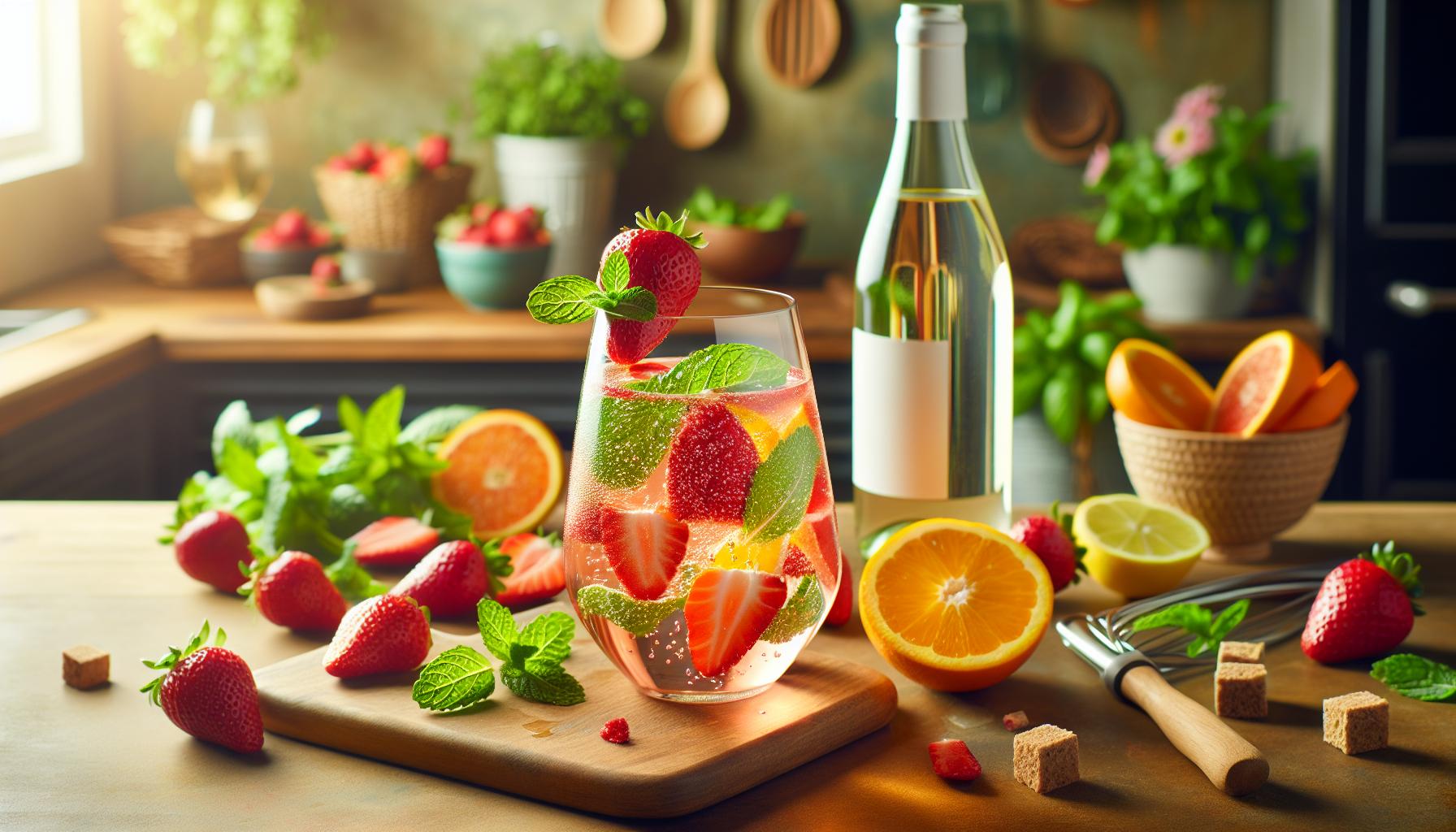
Choosing the right ingredients defines the quality of your wine cooler. Select a light, fruity wine as the base. White or rosé wines work best, adding a refreshing touch. Choose a high-quality wine for better results. Add sparkling water or soda for carbonation. Opt for lemon-lime soda or flavored sparkling water for additional zest. Fresh fruit complements the drink. Use berries, citrus slices, and tropical fruits like pineapple and mango. A sweetener enhances the flavor. Consider options like simple syrup, agave nectar, or honey. Add a dash of herbs such as mint or basil for complexity. Always use fresh, washed, and sliced ingredients for optimal taste. Ice keeps the cooler refreshing. Ensure there’s enough ice to maintain a chilled drink.
Step-by-Step Guide
Start by chilling all ingredients. A cold base maintains the drink’s refreshing nature. Mix the wine and sparkling water or soda in a large pitcher. Maintain a 2:1 wine to carbonation ratio for balanced flavor. Add fresh fruit slices and sweetener. Stir gently to combine. Taste the mixture. Adjust the sweetness to suit your preference. Add ice to the pitcher or individual glasses. Garnish with additional fruit and herbs for visual appeal. Serve immediately while it’s still cold. Consider variations by experimenting with different wines, fruits, and sweeteners until you find your favorite combination.
This approach ensures a delightful, personalized wine cooler perfect for any occasion.
Conclusion
Exploring the world of wine coolers reveals a delightful blend of history, innovation, and creativity. From iconic brands like Bartles & Jaymes and Seagram’s to crafting your own at home, wine coolers offer endless possibilities. Whether you prefer the convenience of store-bought options or the satisfaction of a homemade creation, there’s a wine cooler for every taste and occasion. Experiment with different wines, fruits, and sweeteners to discover your perfect blend. Cheers to enjoying this refreshing beverage in all its forms!
Frequently Asked Questions
What exactly are wine coolers?
Wine coolers are beverages that typically combine wine with fruit juices, flavored soda, and sometimes additional alcohol. These drinks are often carbonated and sweetened, making them light and refreshing.
Which brands are well-known for wine coolers?
Well-known brands for wine coolers include Bartles & Jaymes and Seagram’s. These brands are recognized for their detailed ingredient lists and innovative flavors.
Why did the market shift towards malt-based beverages in the early 1990s?
The market shift towards malt-based beverages in the early 1990s was largely due to regulatory changes and cost considerations. Malt-based beverages were often cheaper to produce and had fewer distribution restrictions compared to traditional wine coolers.
Can I make wine coolers at home?
Yes, you can make wine coolers at home. The process involves using a light, fruity wine as a base, adding carbonation with sparkling water or soda, and incorporating fresh fruits, sweeteners, and herbs for added complexity.
What kind of wine should I use for homemade wine coolers?
For homemade wine coolers, it’s best to use a light, fruity wine. Varieties such as Moscato or Riesling work well as they provide a sweet and refreshing base.
What can I add to homemade wine coolers for extra flavor?
You can add fresh fruits, sweeteners like honey or simple syrup, and herbs such as mint or basil for extra flavor. Experimenting with different combinations can help you find your favorite mix.
Is carbonation necessary for wine coolers?
While not strictly necessary, adding carbonation with sparkling water or soda gives wine coolers their signature refreshing, fizzy quality and enhances the overall drinking experience.
How can I experiment with wine cooler recipes?
Experimenting with wine cooler recipes involves trying different combinations of wines, fruits, sweeteners, and herbs. You can keep adjusting these elements until you find a combination that you love. Consider following a step-by-step guide for best results.
Are wine coolers suitable for any occasion?
Absolutely! Wine coolers are versatile and can be tailored to suit various occasions, from casual gatherings to more formal events. Their light, refreshing nature makes them a delightful choice for any celebration.