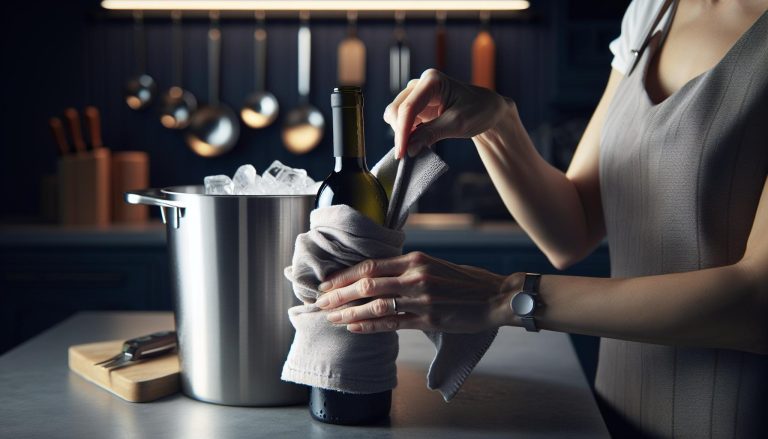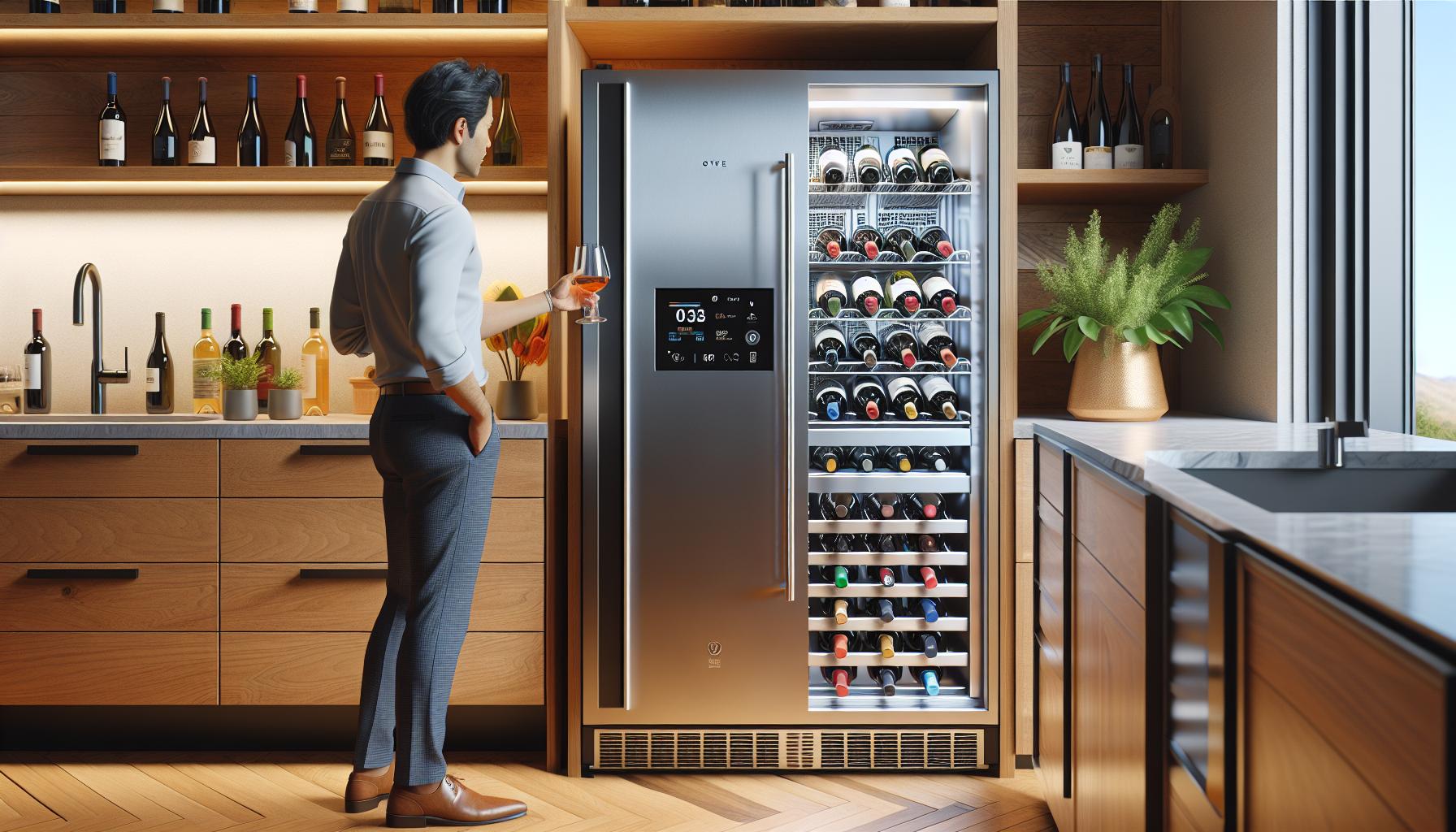
Ever found yourself staring at your wine cooler, wondering if your prized Pinot Noir is chilling at the perfect temperature? Trust me, you’re not alone. Knowing what temperature a wine cooler should be set at can make or break your wine-tasting experience. Too warm, and you might as well be sipping grape juice. Too cold, and you’ll miss out on those delightful flavors and aromas that make wine, well, wine.
I’ve spent countless evenings tinkering with my wine cooler settings, and I’ve learned a thing or two about achieving that perfect chill. Whether you’re a casual sipper or a full-blown oenophile, getting the temperature right is crucial. So let’s dive into the ideal temperatures to ensure your reds, whites, and everything in between are always at their best.
Obsah
- Key Takeaways
- Understanding Wine Cooler Temperatures
- Ideal Temperature Ranges for Different Wines
- Factors Influencing Wine Cooler Settings
- Common Mistakes to Avoid
- Tips for Maintaining Your Wine Cooler
- Conclusion
- Frequently Asked Questions
- What is the ideal temperature for storing red wine?
- What is the best temperature for white wine in a wine cooler?
- How does humidity affect wine storage?
- Can all types of wine be stored at the same temperature?
- How often should I clean my wine cooler?
- What should I check for when inspecting my wine cooler for maintenance?
- How do external conditions affect my wine cooler’s temperature settings?
- Why is it important to avoid storing all wines at the same temperature?
Key Takeaways
- Red Wine Optimal Temperature: Set your wine cooler to 55°F for red wines to highlight their rich and complex flavors without dulling their taste.
- White Wine Ideal Range: Store white wines at around 45°F to enhance their crisp and fruity notes, ensuring a refreshing taste experience.
- Best Temperature for Sparkling Wines: Keep sparkling wines like Champagne at 40°F to maintain their bubbles and effervescence.
- Rosé Wine Storage: Rosé wines benefit from being stored at 50°F, preserving their balanced fruity and floral elements.
- Consider Dual-Zone Coolers: A dual-zone wine cooler allows for separate temperature settings for red and white wines, ensuring optimal conditions for each type.
- Avoid Common Mistakes: Don’t store all wine types at the same temperature and always monitor humidity levels to prevent cork drying and oxidation.
Understanding Wine Cooler Temperatures
Wine cooler temperatures matter. Reds differ from whites in their optimal chill. I keep reds around 55°F. This range emphasizes their bold flavors. It shouldn’t be colder since it dulls the taste.
Whites, on the other hand, thrive at 45°F. This temperature highlights their crisp and fruity notes. Sparkling wines like Champagne are best at 40°F. They need to be extra cold to maintain their bubbles.
Mixed wine collections can be tricky. A dual-zone cooler helps in this case. I set one zone for reds and another for whites. This ensures each wine type’s ideal conditions.
Finding and setting these temperatures isn’t just for luxury. It preserves wine quality and enhances taste. Your wine experience improves dramatically with the correct settings.
Ideal Temperature Ranges for Different Wines

Setting a wine cooler to the right temperature preserves each wine’s unique characteristics. Different kinds of wine benefit from specific temperature ranges to maintain their flavors and aromas.
Red Wines
Red wines thrive at 55°F. Temperature significantly affects their complex flavors. Bold reds, such as Cabernet Sauvignon and Syrah, reveal their full body and richness at this range. Subdued reds, like Pinot Noir, also reach their peak taste. Adjusting within a 3°F range slightly alters their profile without damage. If conditions differ, prolonged exposure can dull flavors.
White Wines
White wines show their crisp and fruity notes best at 45°F. This range suits varieties like Chardonnay, Sauvignon Blanc and Riesling. Cooler storage enables sharp, refreshing tastes to shine through. Avoid setting the wine cooler too low, or it might mask delicate flavors. Slight deviations to 48°F may suffice if preferred.
Sparkling Wines
Sparkling wines, including Champagne, should be kept at 40°F. This keeps the bubbles intact and sprightly. Storing Prosecco, Cava, and other sparkling varieties in this range preserves their effervescence. Lower temperatures could affect carbonation longevity. A stable 40°F setting ensures optimal enjoyment upon serving.
Rosé Wines
Rosé wines benefit most from a 50°F setting. This range maintains their balanced fruity and floral elements. Varieties like Provence, White Zinfandel and Grenache Rosé maintain brightness at this moderate temperature. Maintaining within 2°F ensures no flavor loss. A cooler setting may dull the wine’s vibrant notes.
By accommodating these specific temperature needs, I ensure each wine type delivers its intended experience.
Factors Influencing Wine Cooler Settings

Multiple factors shape the ideal temperature settings for a wine cooler. Each element ensures that wines maintain their intended flavors and aromas.
Wine Variety
Different wine varieties need specific temperatures. Reds like Cabernet Sauvignon and Pinot Noir show best at 55°F. These temperatures help accentuate bold flavors. Whites such as Chardonnay and Riesling prefer 45°F. This setting keeps them crisp and refreshing. Sparkling wines require 40°F to retain their bubbles. This cooler temperature preserves the wine’s effervescence. Lastly, rosé wines find the optimal balance at 50°F. These settings help preserve each wine type’s unique characteristics.
Storage Duration
The length of time wine stays in storage also matters. Short-term storage, spanning a few months, can accommodate a range of temperatures without significant impact. Long-term storage demands more precision. Wines kept for years need exact temperatures to age gracefully. Red wines, when stored long-term, stay best around 55°F. Whites can age well at 45°F. Sparkling wines, ideally stored at 40°F, maintain their quality. Incorrect temperatures risk spoiling their delicate flavors over time.
Personal Preference
Personal preference plays a crucial role too. Some enjoy wines slightly warmer or cooler than recommended. Personal taste can dictate these adjustments. However, these tweaks should remain within close range of the ideal settings. For instance, if you prefer a warmer red wine, 58°F might suit your palate better. Similarly, someone might enjoy a slightly cooler white at 42°F. While personal preferences vary, sticking close to the recommended settings ensures wine quality remains intact.
Common Mistakes to Avoid
Many people make errors when setting up their wine coolers, leading to less than optimal wine experiences. Avoid these common mistakes for better results.
Storing All Wines at the Same Temperature
One mistake I frequently see is storing all wines at the same temperature. Not all wines thrive under identical conditions. Reds need around 55°F to bring out their bold flavors, while whites stay crisp at 45°F. Sparkling wines require a chillier 40°F to maintain their bubbles. Rosé wines benefit from about 50°F. Small variations can impact the flavor and quality of each wine type. Matching the right temperature to each wine type ensures the best taste.
Ignoring Humidity Levels
Many overlook the importance of humidity. Wine quality heavily relies on proper humidity levels. Ideal storage should have 50% to 70% humidity to keep corks moist and prevent oxidation. Dry surroundings can dry out corks, allowing air to spoil the wine. Overly humid conditions cause mold, damaging both cork and wine. Regularly checking humidity levels ensures your collection remains in optimal condition.
Tips for Maintaining Your Wine Cooler
Wine coolers need consistent care for optimal performance.
Regular Cleaning
Clean the interior of the wine cooler at least once every three months. Remove all bottles before starting. Unplug the unit to avoid electric shocks. Use a mild detergent and warm water to wipe the shelves and walls. Avoid harsh chemicals that might damage the cooler’s surfaces. Dry all cleaned areas thoroughly with a soft cloth.
Inspect for any mold or mildew during cleaning. These substances can affect the aroma of your wines. If you spot any, use a vinegar solution to clean the affected areas. Pay attention to the door seals. Dirt and debris can accumulate and affect the door’s ability to close properly. Clean the seals with soapy water and a small brush. Ensure the seals are completely dry before closing the door again.
Regular maintenance includes checking the cooling fans. Dust can clog these, reducing efficiency. Use a vacuum cleaner’s brush attachment to clear any dust buildup. Keeping the wine cooler clean ensures a long-lasting and efficient storage environment.
Monitoring Temperatures
Consistently check the temperature settings. Each type of wine has an optimal storing temperature: reds at 55°F, whites at 45°F, sparkling wines at 40°F, and rosé wines at 50°F. Use a reliable thermometer to measure the internal temperature. Place it in the cooler and check after several hours for an accurate reading.
Fluctuating temperatures can spoil the wine. Set alarms on the cooler if it features this function. These alarms alert you if the temperature deviates from the set range. If the cooler lacks alarms, consider purchasing an external temperature monitoring device. These devices often come with mobile apps, providing real-time updates.
Adjust temperatures based on external conditions. Cooler climates may allow you to raise the internal temperature slightly, while warmer climates might necessitate lowering it. Regular monitoring prevents temperature-related wine spoilage and keeps the wine tasting its best.
Conclusion
Setting the right temperature in a wine cooler is crucial for enhancing your wine-tasting experience. By understanding the optimal temperatures for different types of wines and avoiding common mistakes, you can ensure your wines are stored correctly. Maintaining proper humidity levels and regularly inspecting your wine cooler will help preserve the quality of your collection. Don’t forget to adjust temperatures based on external conditions to keep your wines in perfect condition. With these tips, your wine cooler will be a reliable ally in enjoying your favorite wines at their best.
Frequently Asked Questions
What is the ideal temperature for storing red wine?
The ideal temperature for storing red wine is generally between 55°F to 65°F. This range helps preserve the wine’s flavor and bouquet, ensuring an optimal tasting experience when you serve it.
What is the best temperature for white wine in a wine cooler?
White wines are best stored at temperatures between 45°F to 50°F. Keeping white wines at this range enhances their crispness and brings out delicate flavor notes.
How does humidity affect wine storage?
Maintaining humidity levels between 50% to 70% is crucial for preserving wine quality. Proper humidity prevents the cork from drying out and protects against mold or mildew.
Can all types of wine be stored at the same temperature?
No, different types of wines have optimal storage temperatures. Red wines, white wines, and sparkling wines each require unique temperature settings to maintain their quality and flavor profiles.
How often should I clean my wine cooler?
Regular cleaning is essential to maintain wine cooler efficiency and hygiene. It is recommended to clean your wine cooler at least once every three months to prevent mold, mildew, and other contaminants.
What should I check for when inspecting my wine cooler for maintenance?
Regularly inspect for mold or mildew, ensure cooling fans are functioning properly, and monitor internal temperatures to prevent wine spoilage. Address any issues promptly to protect your wine collection.
How do external conditions affect my wine cooler’s temperature settings?
External conditions like ambient temperature and humidity can impact your wine cooler’s performance. Adjusting your cooler’s settings based on these factors ensures that your wines are stored in an optimal environment.
Why is it important to avoid storing all wines at the same temperature?
Different wines have unique temperature needs that affect their aging process and taste. Storing all wines at a single temperature can detract from their individual qualities and result in a subpar tasting experience.