If you are a wine enthusiast or simply someone who enjoys a glass of red or white with dinner, then exploring the world of still wine is a captivating journey waiting to be embarked upon. From the rich and velvety textures of a Merlot to the crisp and vibrant flavors of a Sauvignon Blanc, the varieties and characteristics found within the realm of still wine are as diverse as the regions they come from. In this article, we will delve into the wonderful world of still wine, uncovering the different grape varieties, the distinct characteristics they possess, and how to enhance your appreciation for these liquid masterpieces. So, pour yourself a glass, sit back, and let’s embark on a captivating exploration of still wine.
Obsah
Types of Still Wine: A Guide to Varieties and Characteristics
When it comes to still wine, there is a vast array of varieties to explore, each offering its own unique characteristics and flavors. Here, we present a comprehensive guide to help you navigate the world of still wine and expand your palate.
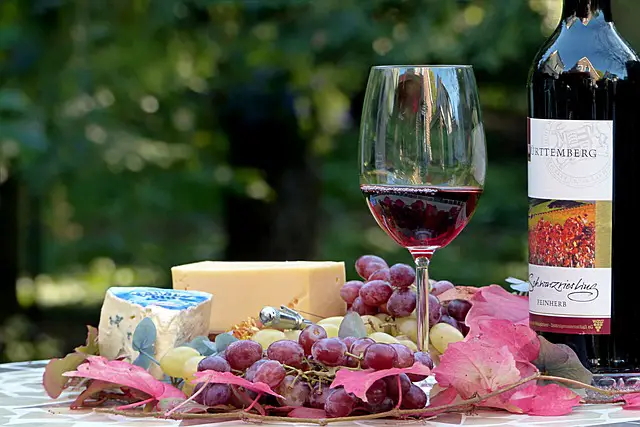
1. Red Wine: Known for its rich and robust flavors, red wine is made from dark-colored grapes and boasts a wide range of aromas, from fruity to earthy. Popular red wine varieties include Cabernet Sauvignon, Merlot, Pinot Noir, and Syrah.
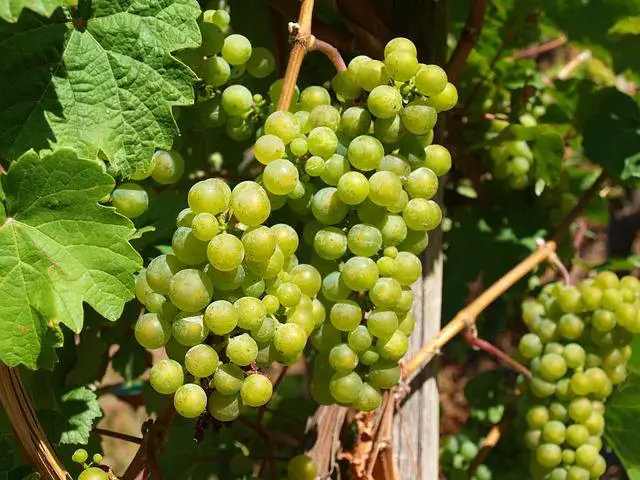
2. White Wine: White wine, made primarily from green or yellow grapes, is known for its light and refreshing qualities. Varieties like Chardonnay, Sauvignon Blanc, and Riesling offer a diverse range of flavors, from crisp and citrusy to floral and tropical.
3. Rosé Wine: A delightful blend of red and white grape varietals, rosé wine stands out with its vibrant pink hue and refreshing acidity. From dry and crisp to fruit-forward and sweet, there is a rosé to suit every preference.
4. Sparkling Wine: Known for its effervescence, sparkling wine adds a touch of celebratory charm to any occasion. Champagne, Prosecco, and Cava are popular choices, with Champagne being the most prestigious and elegant option.
5. Fortified Wine: Fortified with additional spirits, fortified wine packs a punch in terms of both flavor and alcohol content. Port, Sherry, and Madeira are well-known fortified wine varieties, each offering a distinct sweetness and richness.
6. Dessert Wine: These lusciously sweet wines are the perfect finish to a meal. Varieties like Sauternes, Ice Wine, and Tokaji boast flavors of honey, dried fruits, and caramel, making them ideal for pairing with desserts or enjoying as a decadent treat on their own.
By familiarizing yourself with these different types of still wine, you can confidently explore the endless possibilities they offer and enhance your wine-tasting experiences. Remember, everyone’s palate is unique, so don’t hesitate to experiment and discover your own personal favorites.

Understanding Red Wine: From Bold to Elegant Tastes
Types of Red Wine:
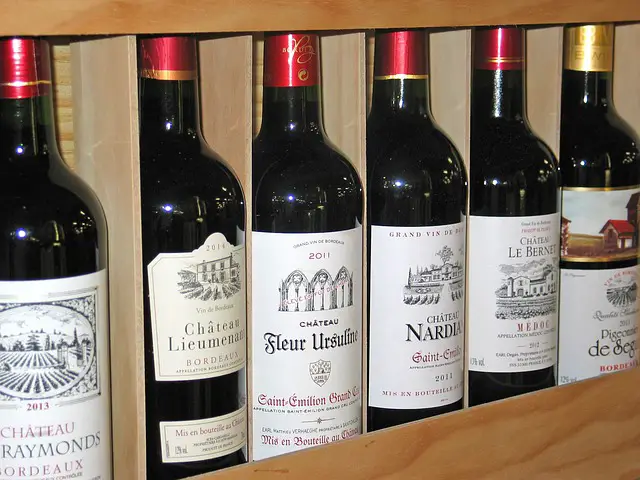
When it comes to red wine, there is a wide range of options available in terms of taste, aroma, and style. From bold and robust to elegant and delicate, red wines offer a diverse palate for wine enthusiasts to explore. Here are some popular types of red wine:
- Cabernet Sauvignon: Known for its full-bodied nature, Cabernet Sauvignon is rich in tannins and offers flavors of blackcurrant, cherry, and sometimes even hints of cedar. It pairs exceptionally well with red meat and aged cheeses.
- Merlot: Merlot is a smooth and velvety wine with a medium body. It often exhibits notes of plum, chocolate, and vanilla. This versatile red wine pairs nicely with poultry, lamb, and even pasta dishes.
- Pinot Noir: Pinot Noir is renowned for its elegance and finesse. With its light to medium body, it showcases flavors of red berries, cherry, and sometimes earthy undertones. This wine is a perfect match for grilled salmon, roasted chicken, or mushroom-based dishes.
Factors Affecting Red Wine Tastes:
Several factors influence the taste profile of red wine, allowing for a diverse array of flavors and characteristics. Here are a few key elements affecting the taste of red wine:
- Grape Varietal: Different grape varieties such as Cabernet Sauvignon, Merlot, and Pinot Noir have distinct flavors and characteristics, contributing to the overall taste of the wine.
- Climate and Terroir: The climate and terroir (soil and environmental conditions) in which the grapes are grown greatly impact the wine’s taste. Cooler climates tend to produce wines with higher acidity, while warmer climates result in riper fruit flavors.
- Age and Oak Aging: Red wines can be aged in oak barrels, which infuses them with additional flavors such as vanilla, spices, or a smoky undertone. Aging also allows the wine to develop complexity and become smoother over time.

Exploring White Wine: Crisp, Aromatic, and Refreshing Options
White wine is a versatile and beloved choice for wine enthusiasts, offering a wide variety of flavors and characteristics. From crisp and refreshing options to aromatic and complex varieties, exploring the world of white wine can be a delightful and rewarding experience.
When it comes to crisp white wines, the choices are plentiful. These wines are known for their vibrant acidity and light-bodied nature, making them perfect for warm summer days or as an aperitif. Sauvignon Blanc is a prime example of a crisp white wine, with its zesty citrus flavors and herbaceous notes. Another popular option is Pinot Grigio, which often features delicate flavors of green apple and pear, along with a hint of minerality. These crisp white wines pair beautifully with seafood, light salads, and fresh goat cheese.
On the other hand, if you prefer white wines with a more aromatic profile, there are several options to explore. Riesling is a standout choice, known for its vibrant aromas of flowers, honeysuckle, and fresh fruit. This wine can range from bone-dry to lusciously sweet, catering to various palates. Gewürztraminer is another aromatic white wine, featuring exotic floral aromas, lychee, and spice. These wines are excellent companions to spicy Asian dishes, aromatic cheeses, and fruit-based desserts. Experience the magic of white wine by indulging in these crisp, aromatic, and refreshing selections.

Discovering Rosé Wine: From Provence to Bold Blends
When it comes to elegant and refreshing wines, rosé certainly takes the spotlight. With its enticing pink hue and delightful flavors, it has become a go-to choice for wine enthusiasts all around the world. Originating from the sun-kissed vineyards of Provence, France, rosé has gained immense popularity, spreading its appeal far beyond its home country.
What sets rosé wine apart is its unique production process. Unlike red wine that gets its color from extended contact with grape skins, rosé is made by allowing the grape juice to come into brief contact with the skins before fermentation. This limited maceration period imparts a beautiful pink color to the wine while preserving its fresh and vibrant characteristics. Whether you prefer a pale and delicate rosé, reminiscent of a summer sunset, or a bold and robust blend that can stand up to hearty dishes, there is a rosé out there waiting for you. Embark on a tasting journey and discover the diversity of rosé wines, from the crisp and fruity offerings of Provence to the bolder blends hailing from various wine regions around the world.
Unveiling Sparkling Wine: A World of Bubbles and Festive Fizz
Sparkling wine, an epitome of celebration and sophistication, has been captivating palates for centuries. Pop the cork and immerse yourself in a world of effervescence, charm, and pure indulgence. From its iconic birthplace in the Champagne region of France to the sparkling wonders found in every corner of the globe, this enticing beverage is a symbol of joyous occasions and special moments.
Embark on a sparkling adventure as you explore the diverse range of sparkling wines available, each with its unique characteristics and production methods. Whether it’s the prestige of Champagne, the vibrant and zesty Prosecco from Italy, the delicate and crisp Cava from Spain, or the innovative sparkling wines from the New World, there is a bubbly that suits every discerning palate.
- Sparkling wines owe their effervescence to carbon dioxide trapped during fermentation.
- The primary grapes used for Champagne production are Chardonnay, Pinot Noir, and Pinot Meunier.
- Prosecco, renowned for its fruity and floral flavors, is typically made using the Glera grape.
- Cava, Spain’s sparkling wine gem, is crafted mainly from indigenous grapes like Macabeo, Xarel·lo, and Parellada.
Unleash your inner sommelier and discover the art of pairing sparkling wine with different cuisines and occasions. Whether it’s the crisp freshness that complements oysters or the subtle sweetness that enhances desserts, this effervescent elixir brings a touch of magic to any dining experience.
Diving into Fortified Wine: Rich, Sweet, and Harmonious Flavors
Fortified wine, also known as strong wine, is an enchanting creation that delights the palate with its irresistible combination of rich, sweet, and harmonious flavors. Crafted by fortifying grape-based wines with spirits, such as brandy, fortified wines offer a unique tasting experience unlike any other. The addition of spirits not only enhances the alcohol content but also adds depth, complexity, and a luscious sweetness that is sure to captivate the senses.
One of the most renowned styles of fortified wine is Port, hailing from the scenic Douro Valley in Portugal. Port wines are cherished for their full-bodied character and seductive notes of blackberries, cherries, and dark chocolate. They can be enjoyed in various styles, ranging from tawny ports with nutty flavors to vintage ports that offer intense fruitiness and remarkable aging potential. Another stunning fortified wine is Sherry, making its mark in the sun-soaked vineyards of southern Spain. With a distinct range of styles like Fino, Amontillado, and Oloroso, Sherry presents an array of flavors from dry and delicate to rich and nutty, making it a versatile choice for any occasion.
- Fortified wines are produced by adding spirits, usually brandy, to grape-based wines.
- The addition of alcohol enhances the complexity, sweetness, and overall flavor profile.
- Port wines from Portugal and Sherry from Spain are two of the most iconic fortified wine styles.
- Port wines exhibit a full-bodied character with flavors of berries, cherries, and chocolate.
- Sherry encompasses a diverse range of flavors, from dry and delicate to rich and nutty.
Exploring Organic and Biodynamic Wines: A Sustainable Approach to Winemaking
Organic and biodynamic wines have gained significant popularity in recent years, offering a sustainable approach to winemaking that respects the environment and supports the overall health of the vineyards. These innovative practices not only produce high-quality wines but also contribute to a healthier ecosystem and a more resilient agricultural system.
What sets organic and biodynamic wines apart is their commitment to using natural methods throughout the entire winemaking process. This includes organic farming practices that avoid the use of synthetic pesticides, herbicides, and fertilizers, opting instead for natural alternatives. To maintain the integrity of the grapes, only natural yeasts are used for fermentation, and no additives or artificial clarifying agents are added. These eco-friendly practices result in wines that truly showcase the unique flavors and characteristics of the grapes, offering a more authentic and artisanal experience.
- Organic farming practices
- Avoidance of synthetic pesticides, herbicides, and fertilizers
- Use of natural yeasts for fermentation
- No additives or artificial clarifying agents
Biodynamic winemaking goes even further, considering the vineyard as a whole system. It incorporates unique practices such as lunar and biodynamic calendar observations to determine the ideal timing for planting, harvesting, and other vineyard tasks. This holistic approach recognizes the interconnectedness of all living organisms and aims to create a self-sustaining ecosystem. By fostering biodiversity and enhancing soil health through composting and biodynamic preparations, these vineyards promote a harmonious relationship between nature and wine production.
Overall, choosing organic and biodynamic wines supports sustainable agriculture and helps protect our planet. Whether you’re a wine enthusiast or simply someone who appreciates environmentally friendly practices, exploring these wines is a journey into a world of flavors, craftsmanship, and a deep respect for nature.
Regional Expressions: Unearthing the Unique Characteristics of Old and New World Wines
Exploring the world of wines means embarking on a journey to discover the diverse and distinctive regional expressions that each bottle holds. Whether you’re a seasoned connoisseur or an enthusiastic wine novice, understanding the characteristics of Old and New World wines will deepen your appreciation for the art and science behind winemaking.
Old World Wines:
- Terroir-driven: Old World wines, with a rich history in winemaking, reflect the unique characteristics of their specific regions. The concept of terroir, embodying the combination of soil, climate, and viticulture practices, is highly valued. This emphasis on terroir results in wines that are strongly influenced by their geographical origins.
- Elegant and balanced: Old World wines often lean towards more subtle flavors and lower alcohol content. These wines are praised for their finesse and balance, achieved through traditional winemaking techniques such as aging in oak barrels and longer fermentation times. The resulting wines boast complex aromas and a delicate interplay of fruit, acidity, and tannins.
- Structured and age-worthy: Old World wines are known for their exceptional aging potential. With their well-defined structure and high acidity, they can evolve and develop nuanced flavors over time. Patience is rewarded as these wines mature, offering deeper complexity and an experience that tells the story of its origin.
New World Wines:
- Fruit-forward and vibrant: New World wines are often celebrated for their bold and expressive fruit flavors. The abundant sunshine and various soil types in these regions produce wines that burst with ripe fruitiness, delivering an array of flavors from luscious berries to tropical notes.
- Accessible and approachable: New World wines are often crafted with the intention of immediate enjoyment, offering approachability to a wide range of palates. Generous in their flavors and softer in tannins, these wines tend to be more friendly to those new to the world of wine.
- Innovation and experimentation: The New World embraces innovation, sparking creativity and experimentation in winemaking techniques. From the use of stainless steel fermentation tanks to blending traditional grape varieties, winemakers in these regions push boundaries to create exciting, unconventional wines that challenge traditional norms.
Indulging in Old and New World wines invites you to savor the beauty of diverse expressions based on their unique geographical origins and winemaking philosophies. Discovering the subtle nuances and contrasting styles will undoubtedly enrich your wine appreciation, allowing you to embark on a fascinating journey with every sip.
To conclude, exploring the world of still wine offers a fascinating journey filled with endless varieties and distinct characteristics. Whether you prefer red or white, dry or sweet, this versatile beverage provides a range of flavors to suit every palate. Embark on your own wine adventure and uncover the unique and delightful qualities of each bottle.