Are you planning a celebratory gathering or a special event? Champagne has always been the beverage of choice when it comes to marking momentous occasions. But when it comes to serving this bubbly drink, it’s not just about popping the cork and filling up glasses without considering the measurements. So, how many cups can you actually pour from a bottle of champagne? In this article, we will explore the serving measurements of champagne, ensuring you never run short or waste a single drop, allowing you to confidently toast to memorable moments with just the right amount in your glass. Prepare to become a champagne connoisseur and serve your guests with expertise!
Obsah
- 1. Understanding the Standard Serving Size: How Many Cups of Champagne Are in a Bottle?
- 2. Factors Influencing Pouring: The Science of Champagne Serving Measurements
- 3. Optimal Pouring to Delight Every Guest: Expert Tips for Champagne Serving
- Optimal Pouring Techniques for Serving a Delightful Glass of Champagne
- 4. Decoding Champagne Glass Sizes: Finding the Perfect Vessel for Your Bubbly
- 5. Serving Champagne at Special Occasions: Estimating Quantities for Large Gatherings
- 6. Celebrating with Elegance: Proper Champagne Serving for Formal Events
- 7. Avoiding Waste and Disappointment: Calculating the Right Amount of Champagne
- 8. Maximizing Enjoyment: Balancing Generosity and Moderation when Serving Champagne
- Final Thoughts
1. Understanding the Standard Serving Size: How Many Cups of Champagne Are in a Bottle?
When it comes to serving champagne, it’s important to understand the standard serving size to ensure that you have enough for your guests. A standard bottle of champagne holds approximately 25.4 fluid ounces or 750 milliliters, which is equivalent to about five standard serving cups.
To maximize the number of servings you can get from a bottle of champagne, it is recommended to follow these guidelines:
- Pouring Size: When serving champagne, a standard pour is about 4-6 ounces per glass. This allows your guests to savor the flavors without overindulging.
- Glass Type: Choosing the right glass is crucial for preserving the champagne’s effervescence. Opt for tall, narrow flutes that showcase the bubbles and help maintain the drink’s chill.
- Efficiency Tips: To serve more guests with fewer bottles, consider using champagne tower displays or investing in a champagne fountain, which can hold multiple bottles and allow for efficient pouring.
- Toast Calculations: If you have a specific number of guests and want to ensure everyone gets a toast, a handy rule of thumb is to divide the number of bottles by five to estimate the number of servings available.
Understanding the standard serving size of champagne and implementing these tips will help you plan accordingly and make your celebration a sparkling success!
2. Factors Influencing Pouring: The Science of Champagne Serving Measurements
When it comes to serving champagne, there are several factors that play a crucial role in giving you that perfect pour. Understanding the science behind measuring and pouring can elevate your champagne experience to a whole new level. Here are some key factors to consider:
- Glass Shape: The shape of the champagne glass can significantly impact the pouring process. Flutes, tulips, and coupes each offer a unique experience as they affect the release of carbonation and the aroma of the champagne. The narrow shape of flutes preserves the carbonation, while the wider tulips enhance the aromas. On the other hand, coupes allow for a greater surface area contact, reducing the intensity of bubbles and releasing the exquisite aromas.
- Temperature: The temperature of the champagne before pouring is crucial in maintaining its flavors and effervescence. Generally, champagne should be chilled to around 45-48 degrees Fahrenheit (7-9 degrees Celsius) to achieve the perfect balance. Anything colder may mask the subtle aromas and flavors, while anything warmer may cause excessive foaming and rapid loss of carbonation.
- Pouring Technique: Mastering the art of pouring champagne is both a skill and a science. The key is to pour slowly and steadily, allowing the bubbles to disperse gently in the glass. Tilt the glass at a slight angle to preserve the effervescence. Avoid vigorously pouring, as it may result in excessive foam and loss of carbonation. And remember, a gentle pour not only ensures a visually appealing presentation but also helps to maintain the champagne’s quality.
By understanding these factors and taking them into account while serving champagne, you can enhance the overall tasting experience. Appreciating the subtle nuances of aroma, texture, and carbonation will enable you to savor every sip of this sparkling elixir. So next time you’re ready to celebrate with champagne, remember the science behind it and enjoy the elegance in every pour!
3. Optimal Pouring to Delight Every Guest: Expert Tips for Champagne Serving
Optimal Pouring Techniques for Serving a Delightful Glass of Champagne
When it comes to serving champagne, attention goes beyond just the bubbles, as the way it is poured can significantly enhance the experience for every guest. Here are a few expert tips to ensure your champagne serving stands out:
- Temperature Matters: Chill your champagne to around 45-48°F (7-9°C) to maintain its freshness and preserve the delicate flavors. A well-chilled bottle offers a refreshing experience and allows the bubbles to flourish.
- The Perfect Angle: Hold the champagne glass at a 45-degree angle while pouring to minimize excessive bubbling and conserving the carbonation. This ensures a smoother pour and preserves the texture of the champagne.
- An Elegant Stream: Rather than filling the glass in one go, gently pour the champagne in a steady stream down the side of the glass. This technique preserves the carbonation and prevents the froth from overflowing.
To achieve the optimal serving experience, it’s essential to avoid common mistakes that can compromise the taste and texture of the champagne. Here are a few pitfalls to avoid:
- Avoid Overfilling: Champagne glasses should be filled only three-quarters full to allow space for the aromas to develop and to prevent spills when guests raise their glasses for a toast.
- Steer Clear of Aggressive Pouring: Pouring champagne with force results in excessive bubbling, which leads to the dissipation of the delicate aromas and flavors. A gentle pour maintains the quality of the champagne and accentuates its characteristics.
By following these expert tips, you can ensure your guests enjoy a delightful glass of champagne with all its exquisite nuances fully revealed. Mastering the art of pouring and serving champagne not only enhances your guests’ experience but also showcases the attention to detail that makes every occasion memorable.
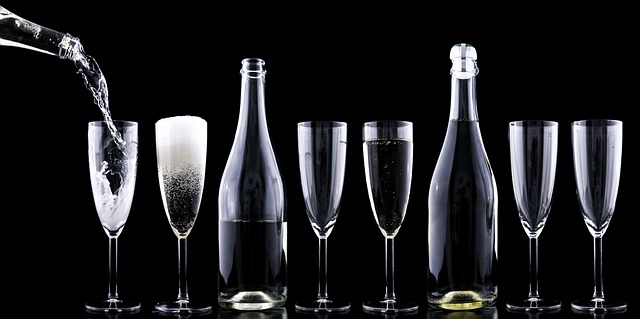
4. Decoding Champagne Glass Sizes: Finding the Perfect Vessel for Your Bubbly
When it comes to enjoying champagne, the vessel you choose plays a crucial role in enhancing your tasting experience. Understanding the different sizes of champagne glasses can help you select the perfect one that complements your celebratory occasions. Let’s dive into the world of champagne glass sizes and find the ideal vessel for your bubbly.
1. Flute: The flute is the most popular choice for serving champagne. Its tall, narrow shape allows the bubbles to rise elegantly, preserving the effervescence and concentrating the aroma. Ideal for toasting moments, the flute offers a classic and sophisticated look. However, the narrow opening may limit the release of aromas, making it more suitable for lighter champagne varieties.
2. Coupe: Dating back to the 17th century, the coupe glass has a wide, shallow bowl and a stem. Although it exudes vintage charm, the wide surface area can cause the bubbles to dissipate quickly. This glass is best suited for sweeter champagne, as the wider shape allows the aroma to develop. Perfect for a touch of retro elegance at your celebration.
5. Serving Champagne at Special Occasions: Estimating Quantities for Large Gatherings
When it comes to hosting a special occasion, serving champagne adds an extra touch of elegance and luxury. However, estimating quantities for large gatherings can be a daunting task. To help you ensure everyone’s glass is brimming with bubbly, we’ve compiled some handy tips:
- Consider the number of guests: The first step in estimating how much champagne you’ll need is to determine the number of guests attending your event. Keep in mind that not all guests will consume alcohol, so consider the percentage of non-drinkers as well.
- Calculate the glasses per bottle: On average, a standard 750ml bottle of champagne fills around six flutes. This estimation may vary slightly depending on the size of the flutes and the pouring technique used. It’s advisable to stick with this conservative estimate to avoid running out.
- Decide on serving style: Will you be serving champagne exclusively for toasts or throughout the event? For toasts-only, one glass per guest should suffice. However, if champagne will be available throughout the occasion, plan for each guest to enjoy two to three glasses per hour.
Considering these factors will give you a good starting point to gauge how much champagne you’ll need for your special occasion. Remember, it’s always better to have a bit extra than to run out, so err on the side of caution. Cheers to a fantastic celebration!
6. Celebrating with Elegance: Proper Champagne Serving for Formal Events
When it comes to formal events, serving champagne with elegance is a must! Whether you’re hosting a sophisticated wedding reception, a corporate gala, or a lavish anniversary celebration, following proper champagne-serving etiquette will elevate your event to the next level. Here are some essential tips to ensure that your champagne service exudes class and refinement:
- Chill to perfection: Before your guests arrive, refrigerate your champagne bottles at a temperature of around 45°F (7°C) for at least three hours. This ensures that your champagne is perfectly chilled when it’s time to pop the cork. Avoid placing bottles in the freezer as this can affect the quality and taste of the champagne.
- Popping the cork: When opening a bottle of champagne, hold it at a 45-degree angle and firmly grip the cork. Slowly twist the bottle, not the cork, while keeping a gentle pressure on the cork. This method reduces the chances of a sudden pop or spillage, ensuring a smooth and elegant opening.
- Sparkling presentation: Pour your champagne into tall, flute-shaped glasses. These glasses highlight the bubbles and preserve the freshness of the champagne. Hold the glass at the stem to avoid warming the champagne with your hand, and fill it only two-thirds full to allow space for the bubbles to rise.
Remember, serving champagne with elegance means paying attention to the details. Make sure to have a clean and polished champagne bucket or cooler nearby to keep additional bottles chilled. Also, have a cloth napkin ready to wipe any drips from the bottles or glasses. By following these tips, your formal event will be infused with a touch of sophistication and luxury that will leave your guests impressed and thoroughly delighted.
7. Avoiding Waste and Disappointment: Calculating the Right Amount of Champagne
When planning a celebration or special occasion, one of the common concerns is how much champagne to buy. It’s important to strike a balance between having plenty of bubbly for all your guests and avoiding excessive waste or disappointment. Here are some helpful tips to help you calculate the right amount of champagne for your event:
- Guest List: Begin by making a list of the number of guests you expect to attend. Remember to include any plus ones or unexpected attendees.
- Duration: Consider the length of your event. If it’s a short gathering, you can estimate about one to two glasses of champagne per person. For longer celebrations, it’s best to plan for around three to four glasses per person, keeping in mind that not all guests may consume alcoholic beverages.
- Type of Event: The type of occasion you’re hosting also plays a role. For casual events, like brunches or open-house parties, you can lean towards the lower end of the estimate. For more formal affairs, such as weddings or black-tie dinners, it’s advisable to be more generous with your calculations.
Remember, it’s always better to have a little bit more champagne than to run out during your celebration. If you’re worried about waste, consider that sparkling wine can be saved for future use by recorking it or using a champagne stopper. It’s also worth noting that different champagne bottle sizes affect the number of servings you can expect. A standard 750ml bottle should provide around six to seven glasses, while magnums (1.5L) typically yield 12 to 14 glasses. By taking these factors into account, you can confidently calculate the right amount of champagne, ensuring your guests’ glasses never run dry!
8. Maximizing Enjoyment: Balancing Generosity and Moderation when Serving Champagne
When it comes to serving champagne, finding the right balance between generosity and moderation is key to maximizing enjoyment. While you want to indulge your guests with overflowing glasses of bubbly bliss, it is also important to savor the experience and avoid overindulgence. Here are some tips to help you achieve the perfect harmony:
1. Choose the right serving temperature: Champagne is best served chilled, but not icy cold. Aim for a temperature between 45-50°F to maintain the flavors and aromas.
2. Mind your pouring technique: Pour slowly and delicately to allow the bubbles to settle and prevent excessive foaming. Tilt the glass at a slight angle to minimize splashing and ensure an elegant presentation.
3. Opt for appropriate glassware: Investing in proper champagne flutes with a tall, narrow shape will enhance the drinking experience, as they help to concentrate the aromas and preserve the bubbles.
4. Be mindful of portion sizes: While it may be tempting to fill the glass to the brim, it is advisable to pour only about half to two-thirds full to leave room for the aromas to develop and the champagne to breathe.
Final Thoughts
In conclusion, knowing the number of cups in a bottle of champagne is essential for serving measurements. With our comprehensive guide, you can confidently pour the perfect amount for your celebration. Cheers!