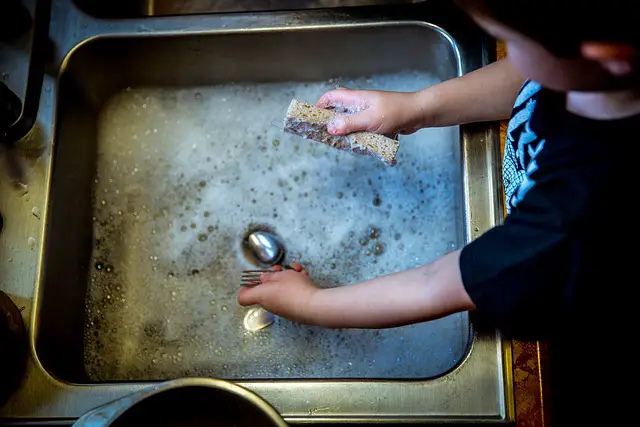
Are you tired of handwashing your delicate wine glasses, fearing they might break into a thousand tiny pieces? Fret no more! In this article, we will enlighten you with safe and hassle-free methods to put your beloved wine glasses in the dishwasher. By following these expert-recommended techniques, you can enjoy your favorite vino without the worry of damaging your precious stemware. So, let’s dive in and explore the secrets of achieving spotless and sparkling wine glasses through the art of dishwasher cleaning!
Obsah
- – Choosing the Right Wine Glasses for Dishwasher: Understanding Dishwasher Safe Glassware
- - Preparing Your Wine Glasses for Dishwasher: Removing Residue and Stains
- Preparing Your Wine Glasses for Dishwasher: Removing Residue and Stains
- – Loading Wine Glasses in the Dishwasher: Proper Placement for Optimal Cleaning
- Loading Wine Glasses in the Dishwasher: Proper Placement for Optimal Cleaning
- – Selecting the Appropriate Dishwashing Cycle and Temperature for Wine Glasses
- – Using Gentle Dishwashing Detergents: Protecting Wine Glasses from Harsh Chemicals
- – Ensuring Sparkling Clean Wine Glasses: Proper Unloading and Drying Techniques
- To Conclude
– Choosing the Right Wine Glasses for Dishwasher: Understanding Dishwasher Safe Glassware
When it comes to choosing the right wine glasses for the dishwasher, it is important to understand which glassware is dishwasher safe. Not all wine glasses are created equal, and some can become damaged or lose their luster in the dishwasher. To ensure the longevity of your wine glasses, it is crucial to select ones that are specifically labeled as dishwasher safe.
So, what should you look for in dishwasher safe wine glasses? Here are a few key factors to consider:
- Material: Opt for wine glasses made from high-quality glass or crystal. These materials are less likely to be affected by the heat and detergents used in dishwashers.
- Design: Look for wine glasses with a sturdy and durable design. Glasses with a thicker stem and base are less likely to break or become damaged during the dishwasher cycle.
- Labeling: Check for the dishwasher safe label on the packaging or bottom of the glass. This ensures that the manufacturer has tested the product to withstand the dishwasher’s conditions.
Remember, if a wine glass is not labeled as dishwasher safe, it’s best to hand wash it to maintain the quality and longevity of the glassware. By understanding dishwasher safe glassware and making the right choices, you can enjoy your wine without worrying about the hassle of hand washing delicate glasses after every use.
- Preparing Your Wine Glasses for Dishwasher: Removing Residue and Stains
Preparing Your Wine Glasses for Dishwasher: Removing Residue and Stains
When it comes to cleaning your wine glasses in the dishwasher, ensuring they are free from any residue or stains is crucial for maintaining their pristine condition. Here are some useful tips to help you prepare your wine glasses before loading them into the dishwasher:
1. Rinse with warm water: Before placing your wine glasses in the dishwasher, give them a quick rinse with warm water to remove any loose particles or residue. This step will help prevent these unwanted particles from sticking to the glasses during the dishwasher cycle.
2. Use mild detergent: For glassware, it’s essential to choose a mild dishwasher detergent that is specifically formulated for delicate items. Avoid using harsh chemicals or strong soaps that can leave behind residue or cause cloudiness on your wine glasses.
3. Remove stains with vinegar: If your wine glasses have stubborn stains, a simple solution of vinegar and warm water can work wonders. Fill a sink or basin with equal parts water and white vinegar, then place the glasses in the mixture for about 10-15 minutes. Rinse thoroughly afterward to remove any vinegar smell.
4. Check for water spots: After running the dishwasher cycle, inspect your wine glasses for any water spots or film that may have developed. If necessary, handwash them with a bit of mild detergent and warm water to ensure they are sparkling clean before use.
By following these steps, you can confidently prepare your wine glasses for the dishwasher, knowing they will come out looking spotless and ready to enhance your next wine-tasting excursion!

– Loading Wine Glasses in the Dishwasher: Proper Placement for Optimal Cleaning
Loading Wine Glasses in the Dishwasher: Proper Placement for Optimal Cleaning
When it comes to cleaning your delicate wine glasses in the dishwasher, proper placement is key to ensuring optimal cleaning results and preventing any potential damage. Follow these expert tips to achieve sparkling-clean wine glasses every time:
1. Choose the right dishwasher cycle:
First and foremost, select a dishwasher cycle that is suitable for delicate glassware. Often, this cycle is labeled as “Gentle” or “Fine China.” Avoid using harsh or high-temperature cycles as they might lead to thermal shock and breakage.
2. Separate and secure:
Separate your wine glasses from other dishes to avoid potential collisions during the wash. This ensures that they are not scratched or chipped. Secure each glass in the dishwasher by placing them at an angle, leaning slightly towards each other or the dishwasher walls to provide stability.
3. Place them on the top rack:
Always load wine glasses on the top rack of your dishwasher. This prevents any direct contact with other dishes and minimizes the risk of damage. Utilize the dishwasher’s stemware holders if available, as they provide additional support and prevent the glasses from moving around during the wash cycle.
4. Avoid overcrowding:
Make sure not to overcrowd your wine glasses. Providing enough space between glasses allows water and detergent to circulate effectively, resulting in a more thorough cleaning. If necessary, it is better to run multiple dishwasher cycles rather than cramming too many glasses in one load.
By following these proper loading techniques, your wine glasses will be clean, pristine, and ready for your next special occasion. Remember, every dishwasher is slightly different, so adjust these tips accordingly to maximize the cleaning potential of your specific dishwasher model.

– Selecting the Appropriate Dishwashing Cycle and Temperature for Wine Glasses
When it comes to wine glasses, selecting the appropriate dishwashing cycle and temperature is crucial to ensure their longevity and keep them sparkling clean. Here are some helpful tips to guide you through the process:
Firstly, it’s important to check the manufacturer’s recommendations for your specific wine glasses. Some may be labeled as dishwasher-safe, while others may require hand washing. Following these guidelines will help you maintain their quality and prevent any potential damage.
If your wine glasses are dishwasher-safe, here are a few key considerations to keep in mind:
1. Delicate Cycle: Opt for a delicate or crystal/glassware cycle on your dishwasher. This cycle is designed to be more gentle, reducing the risk of any chipping or breakage.
2. Lower Temperature: Adjust the temperature setting to a lower level, typically around 130°F (55°C). High temperatures can potentially weaken the glass or cause thermal shock, leading to cracks or fractures.
3. Avoid Harsh Detergents: Choose a mild detergent that is specifically formulated for glassware. Harsh chemicals and abrasives can damage the glass and leave residue or cloudiness on your wine glasses.
Remember, even with the dishwasher-safe label, it’s always a good idea to inspect your wine glasses after each wash. Look for any signs of damage or etching, and if necessary, switch to hand washing to ensure their longevity. With proper care and attention, your wine glasses will continue to enhance your dining experience for years to come.
– Using Gentle Dishwashing Detergents: Protecting Wine Glasses from Harsh Chemicals
When it comes to washing wine glasses, using gentle dishwashing detergents is essential for protecting them from harsh chemicals. Wine glasses are delicate and can easily be damaged if exposed to abrasive detergents. By opting for gentle dishwashing detergents, you can ensure that your wine glasses remain sparkling clean without compromising their quality.
Here are a few reasons why using gentle dishwashing detergents is important for keeping your wine glasses in top-notch condition:
- Avoids staining: Harsh chemicals present in regular dishwashing detergents can cause stains on wine glasses, especially those made of crystal. Gentle detergents, on the other hand, are specially formulated to remove stains without leaving any residue or affecting the glass’s clarity.
- Preserves fragrance and flavor: Residual detergent left on wine glasses can alter the taste and aroma of the wine. By using gentle dishwashing detergents, you can ensure that there is no residue left that could affect the wine’s qualities, allowing you to fully enjoy its flavor profile.
- Minimizes the risk of breakage: Wine glasses are vulnerable to breakage, and using harsh detergents can weaken their structure over time, making them prone to cracks and breakage with regular use. Gentle detergents are formulated to be milder and less abrasive, reducing the risk of damage to your cherished wine glasses.
Protect your investment in wine glasses by avoiding abrasive detergents and opting for gentler options. Your wine glasses will thank you as they maintain their pristine condition, ready to enhance your wine-drinking experience time and time again.
– Ensuring Sparkling Clean Wine Glasses: Proper Unloading and Drying Techniques
Proper unloading and drying techniques are essential for ensuring sparkling clean wine glasses. Here are some valuable tips that will help you maintain the pristine condition of your glassware:
1. Handle with Care: When unloading wine glasses from the dishwasher, it is important to handle them with care to prevent any accidental damage. Hold the base of the glass firmly while placing it onto a clean, dry surface.
2. Air Drying: To achieve spotless results, it is advisable to air dry the wine glasses rather than using a towel. Position the glasses upside down on a clean dish rack or a towel, allowing them to air dry naturally. This method minimizes the risk of lint or other foreign particles being transferred onto the glasses.
3. Avoid Touching the Rims: While handling wine glasses during the unloading and drying process, it is crucial to avoid touching the rims. The natural oils on your hands can diminish the clarity of the glass and affect the taste of your wine. Always hold the glass by the stem or base to maintain the pristine condition of the rim.
4. Store Carefully: Once the wine glasses are dry, it is vital to store them in a safe and clean environment. Use a dedicated storage rack or a cabinet with sufficient space to prevent glasses from colliding and potentially breaking. Dust or other contaminants can quickly accumulate, so cover the glasses or store them in a closed cabinet to keep them clean and ready for use.
By following these simple unloading and drying techniques, you can maintain the impeccable quality and visual appeal of your wine glasses, ultimately enhancing your wine-drinking experience.
To Conclude
To ensure no breakage or cloudiness, it’s essential to follow proper steps when cleaning wine glasses in the dishwasher. By using a gentle cycle, securing stemware properly, and avoiding overcrowding, you can maintain the beauty and longevity of your wine glasses effortlessly.