Have you ever heard the saying, “All good things come to those who wait?” Well, in the world of culinary delights, there’s one ingredient that perfectly embodies this sentiment: red wine vinegar. Known for its exquisite flavor and versatility, this magnificent condiment often leaves people wondering, “Is red wine vinegar alcoholic?” Today, we’re here to debunk the myths and shed light on this age-old question. Prepare to embark on an enlightening journey that will uncover the truth about the alcohol content in red wine vinegar and leave you feeling like a true epicurean expert. So, grab a glass of your favorite red and let’s delve into the fascinating world of vinegar!
Obsah
- – Red Wine Vinegar 101: Understanding the Basics of this Popular Condiment
- – The Alcohol Content in Red Wine Vinegar: Dispelling Misconceptions
- The Alcohol Content in Red Wine Vinegar: Dispelling Misconceptions
- – The Fermentation Process: How Alcohol Transforms into Vinegar
- The Fermentation Process: How Alcohol Transforms into Vinegar
- – Determining Alcohol Content in Red Wine Vinegar: A Quantitative Analysis
- – Health Benefits of Red Wine Vinegar: Separating Fact from Fiction
- Health Benefits of Red Wine Vinegar: Separating Fact from Fiction
- – Experts’ Recommendations: Incorporating Red Wine Vinegar into Your Diet
- Experts’ Recommendations: Incorporating Red Wine Vinegar into Your Diet
- – Red Wine Vinegar and Alcohol Sensitivity: Understanding the Relationship
- Red Wine Vinegar and Alcohol Sensitivity: Understanding the Relationship
- – Cooking with Red Wine Vinegar: Enhancing Flavor Without the Alcohol
- Cooking with Red Wine Vinegar: Enhancing Flavor Without the Alcohol
- Concluding Remarks
– Red Wine Vinegar 101: Understanding the Basics of this Popular Condiment
Red wine vinegar, a staple in many kitchens, is a versatile and delicious condiment that adds a tangy and complex flavor to a variety of dishes. Made from red wine, this vinegar undergoes a fermentation process that transforms the alcohol into acetic acid. It’s not just any vinegar, though—it’s rich in antioxidants and beneficial compounds that can boost your health. Here’s a breakdown of everything you need to know about red wine vinegar:
The Production Process:
1. Start with red wine: Quality red wine is the foundation of red wine vinegar. Choose a wine that you enjoy drinking, as the flavor will shine through in the vinegar.
2. Fermentation: The wine is placed in a container and exposed to oxygen, allowing acetic acid-forming bacteria to convert the alcohol into acetic acid. A mother culture or vinegar starter can be used to kickstart the fermentation process.
3. Aging: Once fermentation is complete, the vinegar is left to age in wooden barrels or stainless steel tanks. During this period, the flavors mellow, and the vinegar develops its distinctive taste.
Uses and Benefits:
– Culinary applications: Red wine vinegar is a valuable ingredient in countless recipes. Add it to salad dressings, marinades, and sauces for a burst of brightness and depth of flavor.
– Health benefits: Rich in antioxidants, red wine vinegar can help protect against cardiovascular disease and contribute to a healthy immune system. Additionally, it aids digestion and may help regulate blood sugar levels.
– Food preservation: The acid in red wine vinegar acts as a natural preservative, making it an excellent choice for pickling vegetables or preserving fruits.
– The Alcohol Content in Red Wine Vinegar: Dispelling Misconceptions
The Alcohol Content in Red Wine Vinegar: Dispelling Misconceptions
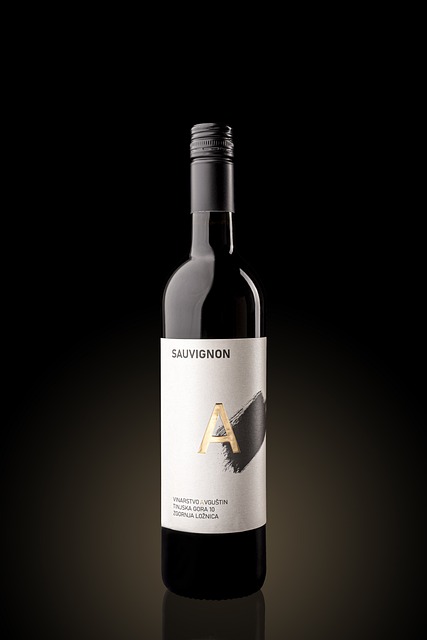
Red wine vinegar is a beloved culinary ingredient known for its tangy flavor and versatility in various dishes. However, there are often misconceptions about the alcohol content present in this vinegar. Let us set the record straight. Contrary to popular belief, red wine vinegar contains an extremely low trace amount of alcohol due to the fermentation process it undergoes.
During the fermentation of red wine into vinegar, bacteria called Acetobacter convert the ethanol in wine into acetic acid, resulting in the formation of vinegar. This process significantly reduces the alcohol content of the original wine. The alcohol levels in red wine vinegar are incredibly minimal, reaching about 0.1% or less. To put things into perspective, a ripe banana can contain a higher percentage of alcohol due to natural fermentation than what you would find in a bottle of red wine vinegar.
So, rest assured that red wine vinegar is safe to use in cooking or as a dressing, even for those who avoid alcohol entirely. It brings the delightful flavor notes of red wine to your dishes without any significant alcoholic effects. Whether you’re creating a mouth-watering salad dressing, marinating meat, or sautéing vegetables, red wine vinegar serves as a fantastic ingredient that enhances the taste profile of your culinary creations.
Next time you’re browsing the condiment aisle, remember that red wine vinegar is an excellent and flavorful option that won’t compromise your alcohol-free lifestyle. Enjoy the rich taste it adds to your meals and let the misconceptions about its alcohol content become a thing of the past!

– The Fermentation Process: How Alcohol Transforms into Vinegar
The Fermentation Process: How Alcohol Transforms into Vinegar
In the fascinating world of food science, there is one process that has captivated the minds of researchers and enthusiasts alike – the transformation of alcohol into vinegar through fermentation. This age-old technique is not only used in the production of vinegar but also contributes to our understanding of the intricate biochemical reactions that occur in nature.
So, how exactly does this transformation take place? Let’s break it down:
- Step 1: Alcohol Fermentation: Firstly, a substance containing alcohol, such as wine or cider, is carefully selected for the fermentation process. Wild yeasts and bacteria naturally present on the fruit’s skin, known as acetobacters, play a crucial role in this transformation. When exposed to oxygen, these microorganisms convert the alcohol into acetic acid by a process called oxidation, resulting in the formation of vinegar.
- Step 2: Acetification: Once the alcoholic substance is chosen, it is typically poured into a wide, shallow container known as a “mother barrel” or “vinegar generator.” The exposed surface area allows for greater contact with oxygen, facilitating the transformation. Over time, the alcohol-rich liquid develops a slimy film called the “mother of vinegar.” This gelatinous layer contains the beneficial bacteria and yeasts needed to produce vinegar. As the acetobacters continue their work, the concentration of acetic acid steadily increases, intensifying the vinegar’s distinct sourness.
The fermentation process, with its intricate steps and complex reactions, offers a glimpse into the wonders of nature and the transformative power of microorganisms. From winemaking to the craft of traditional vinegar production, understanding how alcohol transforms into vinegar enhances our appreciation for this versatile and beloved condiment.

– Determining Alcohol Content in Red Wine Vinegar: A Quantitative Analysis
When it comes to red wine vinegar, understanding its alcohol content is crucial for various reasons, ranging from culinary purposes to ensuring compliance with certain regulations. This article covers a quantitative analysis method that allows for the accurate determination of alcohol content in red wine vinegar. By employing this technique, users can obtain precise measurements and confidently work with their vinegar in a variety of applications.
Our quantitative analysis method involves several steps to calculate the alcohol content in red wine vinegar. Firstly, we select a representative sample of the vinegar and prepare it for analysis. This ensures that the results obtained are indicative of the overall composition of the vinegar. Next, we utilize state-of-the-art equipment, such as gas chromatography, to separate the alcohol from other components in the sample. This process enables us to precisely measure the alcohol content. Finally, we compare these measurements to industry standards and calculate the exact percentage of alcohol in the red wine vinegar.
– Health Benefits of Red Wine Vinegar: Separating Fact from Fiction
Health Benefits of Red Wine Vinegar: Separating Fact from Fiction
Red wine vinegar has been widely hailed for its potential health benefits. While some claims may be unfounded, there are several scientifically-backed reasons to incorporate this flavorful vinegar into your diet.
Here, we clarify the facts and debunk the fiction surrounding the health benefits of red wine vinegar:
- Rich in antioxidants: Red wine vinegar contains potent antioxidants, such as polyphenols, that help protect the body against harmful free radicals. These antioxidants can potentially reduce the risk of chronic diseases, including heart disease and certain cancers.
- Aids digestion: This vinegar, when consumed in moderation, may improve digestion by stimulating the production of digestive enzymes. It can also help alleviate certain digestive issues like indigestion and bloating. However, excessive intake should be avoided as it may have the opposite effect.
- Supports blood sugar control: Red wine vinegar has been shown to have a positive impact on blood sugar levels. Studies suggest that it may improve insulin sensitivity, which is beneficial for individuals with diabetes or those at risk of developing the condition.
- May assist in weight management: Incorporating red wine vinegar into your diet may aid weight loss efforts by enhancing feelings of fullness and reducing calorie intake. However, it’s important to note that vinegar alone cannot replace a balanced diet and regular exercise.
While red wine vinegar offers potential health benefits, it is crucial to consume it as part of a well-rounded diet and not rely solely on its properties. Remember to consult with a healthcare professional before making any significant dietary changes, especially if you have underlying health conditions.
– Experts’ Recommendations: Incorporating Red Wine Vinegar into Your Diet
Experts’ Recommendations: Incorporating Red Wine Vinegar into Your Diet
Red wine vinegar is not just a delicious addition to your pantry, but it also offers a range of health benefits. Incorporating this versatile ingredient into your diet can enhance the flavors of your dishes while providing various advantages for your well-being. Here are some expert recommendations on how to make the most of red wine vinegar:
1. Salad Dressings: A popular way to use red wine vinegar is to create flavorful salad dressings. Combine a splash of red wine vinegar with olive oil, Dijon mustard, garlic, and herbs. Toss it with your favorite greens for a tangy and refreshing salad.
2. Marinades: Red wine vinegar works wonders as a marinade for meat, seafood, or vegetables. Its acidity helps tenderize the protein while infusing a delightful tangy flavor. Mix the vinegar with herbs, spices, and oil to create a delicious marinade for grilling or baking.
– Red Wine Vinegar and Alcohol Sensitivity: Understanding the Relationship
Red Wine Vinegar and Alcohol Sensitivity: Understanding the Relationship
Red wine vinegar is a popular ingredient in various culinary dishes and salad dressings. However, individuals with alcohol sensitivity may wonder if consuming red wine vinegar can trigger similar reactions. While red wine vinegar is made from red wine, the fermentation process significantly diminishes its alcohol content. This lower alcohol content makes it generally safe for people with alcohol sensitivity to consume red wine vinegar without experiencing adverse effects.
It is important to note that alcohol sensitivity can vary from person to person. Some individuals may be sensitive to even trace amounts of alcohol, while others may be able to tolerate it in small quantities. However, given that red wine vinegar contains minimal alcohol, it is unlikely to cause severe reactions in individuals with alcohol sensitivity. It is always advisable to start with small amounts and monitor your body’s response closely to ensure you can handle the vinegar without any discomfort.
- Health Benefits of Red Wine Vinegar: Apart from adding a delicious tang to your meals, red wine vinegar also offers several health benefits. It is known to have antioxidant properties that may contribute to reducing inflammation and improving heart health. Additionally, red wine vinegar can aid digestion, promote weight loss, and even regulate blood sugar levels.
- Choosing the Right Red Wine Vinegar: When selecting red wine vinegar, opt for those made from high-quality red wine to ensure a rich flavor profile. Look for organic varieties made without additives or preservatives. Additionally, consider the vinegar’s age; older red wine vinegars tend to have a deeper and more complex flavor. Finally, be mindful of the acidity level and choose one that suits your palate and the specific dish you intend to use it in.
– Cooking with Red Wine Vinegar: Enhancing Flavor Without the Alcohol
Cooking with Red Wine Vinegar: Enhancing Flavor Without the Alcohol
Red wine vinegar is a versatile kitchen staple that can take your culinary creations to new heights. Unlike red wine, it doesn’t contain any alcohol, making it a suitable option for those who prefer to avoid alcohol in their cooking. But don’t let its non-alcoholic nature fool you – this vinegar is packed with flavor and can add a tangy and acidic punch to any dish. So, what are some ways you can use red wine vinegar in your cooking? Let’s explore!
1. Whisk it into dressings and marinades: Red wine vinegar is a fantastic base for salad dressings and marinades. Its acidity helps to tenderize meat and adds a vibrant tang to your dish. Combine it with olive oil, Dijon mustard, garlic, and a pinch of salt and pepper to create a simple, yet delicious vinaigrette for your salads. Or, use it as a marinade for poultry or fish to infuse them with a burst of flavor.
2. Deglaze your pans: When you’ve finished cooking meat, deglazing the pan with a splash of red wine vinegar can help to release the flavorful browned bits stuck to the bottom. Simply pour the vinegar into the hot pan and scrape the bits with a wooden spoon. The result? A rich and flavorful sauce that will take your dish from ordinary to extraordinary.
Concluding Remarks
In conclusion, red wine vinegar is not alcoholic. The alcohol content evaporates during the fermentation process, leaving behind tangy and flavorful vinegar for your culinary delights.