Types of Wine is an overarching taxonomical classification framework organizing the global world of viticulture by grape varietals, vinification methodologies, color spectrums, sweetness levels, effervescence, and regional appellations.

Foundational Pillars (Start Here)

Master Red Guide

Syrah Red Wine: The Complete Guide to Flavors, Terroirs, and Global Styles

A foundational masterclass exploring major global red varietals, tannin structures, and regional terroir expressions.

Sparkling Taxonomy

Is Chardonnay Champagne or Wine? Navigating Wine Categories

Demystifying Champagne vs. still Chardonnay, sparkling vinification methods, and appellation legal boundaries.

Culinary Synergy

What Wine with Indian Food? Curating Indian Cuisine Pairings

Solving complex culinary challenges: pairing aromatic whites and fruit-forward reds with spiced Indian cuisines.

The Global Wine Taxonomy: Classifications, Vinification & Terroir

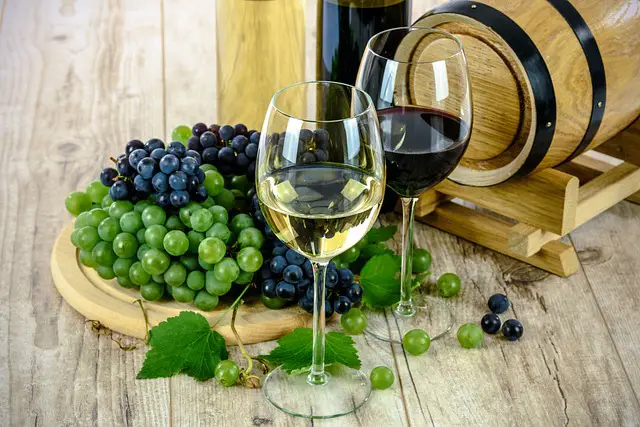
Navigating the immense world of wine requires an oenological framework dividing wines into five foundational categories: Red, White, Rosé, Sparkling, and Fortified/Dessert. Each category is defined by grape varietal genetics, skin maceration time, temperature-controlled fermentation protocols, and maturation vessels (stainless steel, concrete eggs, or oak barriques). In red wines, grape skins remain in contact with must throughout fermentation, extracting tannins, color pigments (anthocyanins), and resveratrol.

In white wines, grapes are pressed immediately to ferment clear juice, emphasizing vibrant acidity, floral terpenes, and crisp fruit. Sparkling wines incorporate secondary fermentation to trap effervescent carbon dioxide, while fortified wines (like Port, Sherry, and Madeira) arrest fermentation through the addition of high-proof grape spirits to preserve natural sugars and ensure extraordinary stability. Understanding these foundational axes allows any enthusiast to predict flavor, body, and pairing compatibility instantly.

Master Wine Classification & Structural Overview

Primary Wine TypeKey Vinification MethodTypical Alcohol (ABV)Benchmark Global Examples
Full-Bodied Red WineExtended skin maceration (2–4 weeks); oak aging13.5%–15.5%Cabernet Sauvignon, Syrah/Shiraz, Nebbiolo, Malbec
Light/Medium Red WineShort maceration; gentle extraction; neutral casks12.0%–13.5%Pinot Noir, Gamay (Beaujolais), Sangiovese, Grenache
Crisp Mineral WhiteStainless steel fermentation; cold settling; no oak11.5%–13.0%Sauvignon Blanc, Pinot Grigio, Chablis, Albariño
Rich Full-Bodied WhiteOak barrel fermentation; malolactic conversion; batonnage13.0%–14.5%Oaked Chardonnay, Viognier, White Rhône blends
Sparkling WineMéthode Traditionnelle or Charmat tank method11.0%–12.5%Champagne, Prosecco, Cava, Franciacorta
Fortified & Dessert WineNeutral grape spirit fortification or noble rot / drying15.0%–20.0%Vintage Port, Oloroso Sherry, Sauternes, Tokaji

Topic Directory & Expert Guides

Frequently Asked Questions

How many main types of wine are there?

The five fundamental categories of wine are Red, White, Rosé, Sparkling, and Fortified/Dessert. Each category encompasses hundreds of distinct varietals and regional appellations.

What determines whether a wine is light, medium, or full-bodied?

Body is dictated by alcohol content, extract (soluble solids), tannin level, and oak aging. Wines with over 13.5% ABV generally feel richer and heavier on the palate.

Can white wine be made from red grapes?

Yes. Because almost all red grapes have clear juice, pressing grapes immediately without skin contact yields white wine (known as Blanc de Noirs, common in Champagne).

What Is a Good Champagne to Give as a Gift? Thoughtful Gifting Ideas

Champagne is a popular gift, but choosing the right one can be daunting. Opt for renowned brands like Moët & Chandon or Dom Pérignon for a safe bet. If you want something more unique, consider Grower Champagne or vintage selections. Remember to check tasting notes, personal preferences, and budget. A well-chosen bottle will surely delight any recipient, making it a memorable gift. Cheers!

0 Comments

What Is the Difference Between Brut and Extra Dry Champagne? Explained

When it comes to champagne, the terms "brut" and "extra dry" can be confusing. While both are considered dry, the main difference lies in their sweetness levels. Brut is drier, with less residual sugar, while extra dry has a slightly higher sugar content. So, if you prefer a dryer taste, go for brut, but if you like a touch of sweetness, opt for extra dry. Ultimately, it all comes down to your personal preference.

0 Comments

Which Is Sweeter Sauvignon Blanc or Chardonnay? Decoding Wine Sweetness

When it comes to wine, the sweetness can vary greatly between different varietals. In the battle between Sauvignon Blanc and Chardonnay, it’s not a simple black and white answer. Sauvignon Blanc tends to have a zesty and crisp character, while Chardonnay can range from buttery and creamy to fruit-forward. Ultimately, the sweetness level in a wine depends on factors like grape ripeness, fermentation process, and aging. Understanding these nuances helps in decoding wine sweetness and finding your preference.

0 Comments

How to Make Wine Bottle Candles: Creative Upcycling

Wine bottle candles are a creative way to upcycle empty wine bottles into beautiful décor pieces. With a few simple steps, you can transform your old bottles into stunning candles that add warmth and ambiance to any space. In this article, we will guide you through the process, sharing expert tips for a successful DIY project. Let's get started and create some unique wine bottle candles!

0 Comments

What to Mix Chardonnay with? Creative Mixology for Wine Enthusiasts

Chardonnay, a popular white wine known for its versatility, can be elevated with creative mixology. While traditionally enjoyed solo, it also shines when blended with other ingredients. From fruity concoctions to sophisticated cocktails, the possibilities are endless. Whether paired with fresh berries, citrusy flavors, or even a touch of spice, Chardonnay presents a canvas for wine enthusiasts to explore their mixology skills. Let's dive into the world of Chardonnay mixology and unlock delightful new experiences for your palate.

0 Comments

What Is Cherry Wine About? Exploring Flavor Profiles

Cherry wine, often overlooked amidst its grape-based counterparts, offers a delightful range of flavor profiles that deserve attention. With its luscious sweetness, balanced acidity, and hints of tartness, cherry wine is a true embodiment of the fruit's essence. From vibrant bright cherries to rich dark varieties, exploring the diverse flavor profiles of cherry wines will surely ignite your senses and leave you craving for more.

0 Comments

What Does Pinot Gris Pair With? Perfect Matches for Every Palate

Pinot Gris, a versatile white wine, harmonizes effortlessly with a range of flavors. Its enticing acidity and subtle fruitiness make it a perfect match for seafood dishes like grilled shrimp or scallops. For those seeking a vegetarian option, try pairing it with roasted vegetables or creamy pasta. Even spicy Asian cuisine finds a companion in this wine. Don't forget about soft cheeses like brie - the combination is simply divine. Time to indulge in a Pinot Gris experience!

0 Comments

Viticulture Journeys: Where Does Primitivo Grow?

Viticulture Journeys: Where Does Primitivo Grow?Primitivo, an ancient grape variety, has found its earthly paradise in Puglia, Italy. This region's sun-drenched vineyards produce full-bodied, rich wines with luscious black fruit flavors. Beyond Italy, Primitivo has captured the hearts of vine growers in California, Chile, and Australia. Its remarkable adaptability to different climates and soils has turned this grape into a global sensation. Whether it's the old-world charm of Italian Primitivo or the boldness of its new-world counterparts, exploring the vineyards where this versatile grape thrives promises a journey of oenological discovery.

0 Comments

How to Open La Marca Prosecco: Mastering the Unveiling

Are you ready to pop open a bottle of La Marca Prosecco but afraid of it turning into a messy explosion? Fear not! In this article, we will guide you through the art of opening La Marca Prosecco like a true pro. From handling the wire cage to achieving the perfect "pop" sound, you'll master the unveiling with ease. Stay tuned for our step-by-step instructions and impress your guests with your expertise in Prosecco opening!

0 Comments

Is Pinot Gris or Pinot Grigio Sweeter? Decoding the Sweetness

When it comes to the sweetness of Pinot Gris or Pinot Grigio, there can be confusion. While both wines originate from the same grape, their taste profiles differ. Pinot Grigio tends to be drier and crisper, making it less sweet. On the other hand, Pinot Gris exhibits a slightly sweeter flavor with hints of fruitiness. It's essential to consider personal preference when choosing between the two, as the sweetness level can greatly impact your enjoyment. So, whether you prefer a drier or sweeter wine, understanding these differences will help you make an informed choice.

0 Comments

Is Ménage à Trois Wine Sweet? Tasting the Blend

Ménage à Trois wine is known for its enticing blend, but is it sweet? Tasting the blend reveals a nuanced profile that caters to all palates. From the smooth notes of ripe fruit to hints of vanilla, this wine strikes a perfect balance, neither too sweet nor too dry. Whether you prefer a touch of sweetness or a drier finish, Ménage à Trois offers a versatile option that is sure to please wine enthusiasts. Discover the harmonious flavors that make this blend a crowd favorite.

0 Comments

Can You Cook with Prosecco? Infusing Bubbles into Recipes

Prosecco isn't just for toasting; its effervescence can add a unique twist to your culinary creations. From cocktails to desserts, this bubbly Italian wine can infuse a delightful flavor into a range of recipes. Whether you're looking for a vibrant punch or a delicate accent, cooking with Prosecco opens a world of possibilities. So put on your apron and get ready to add a touch of fizz to your favorite dishes.

0 Comments

Communion Wine: Is It Really Alcoholic?

Communion Wine: Is It Really Alcoholic?Communion wine is a staple in many religious ceremonies, but is it truly alcoholic? The answer is yes, though the alcohol content is typically low. With a standard ABV of around 12%, it's comparable to a glass of wine. While moderation is advised, the spiritual significance of communion remains the focus. So, next time you partake in this ritual, remember that a sip of wine can still carry a symbolic meaning without impairing sobriety.

0 Comments

Dive into Wine Culture: What is a Primitivo?

Primitivo is an Italian grape variety that has gained popularity worldwide. Known for its rich flavor profile and intense aromas, Primitivo is often compared to Zinfandel. Hailing from the Puglia region in Southern Italy, this red wine is loved for its boldness and high alcohol content. Whether you're a wine enthusiast or just curious, exploring Primitivo can be a delightful journey into the world of wine culture.

0 Comments

How to Serve Ice Wine: Presenting Frozen Delights

Ice wine is a delightful frozen treat, but serving it in the right way can take your experience to a whole new level. Start by serving it chilled at 8-10°C in narrow glasses to preserve its aromas and flavors. Remember to pour only small portions as ice wine is rich and sweet. Pair it with desserts or cheeses to balance the sweetness. Get ready to impress your guests with this decadent frozen delight!

0 Comments

Can You Recork Wine? Extending Wine Lifespan

Can You Recork Wine? Extending Wine LifespanWhen it comes to preserving wine, can you simply recork the bottle? The answer is both yes and no. While recorking may help slow down the oxidation process, it doesn't guarantee the same freshness as the original cork. To extend the lifespan of your wine, consider investing in a vacuum pump or using inert gas to create a protective barrier. Whichever method you choose, remember that proper storage conditions are key. Cheers to enjoying your wine to the fullest!

0 Comments