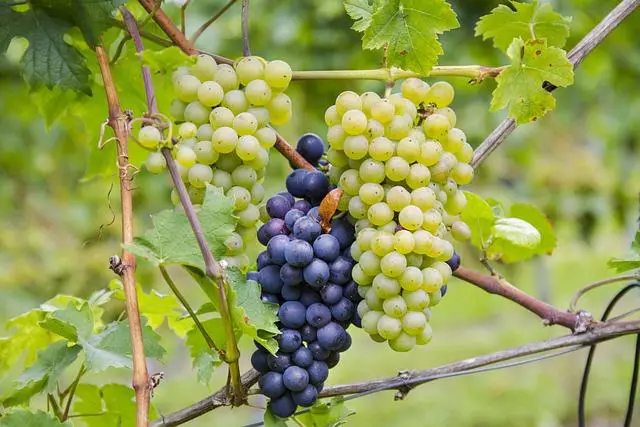
Types of Wine is an overarching taxonomical classification framework organizing the global world of viticulture by grape varietals, vinification methodologies, color spectrums, sweetness levels, effervescence, and regional appellations.

Foundational Pillars (Start Here)

Master Red Guide

Syrah Red Wine: The Complete Guide to Flavors, Terroirs, and Global Styles

A foundational masterclass exploring major global red varietals, tannin structures, and regional terroir expressions.

Sparkling Taxonomy

Is Chardonnay Champagne or Wine? Navigating Wine Categories

Demystifying Champagne vs. still Chardonnay, sparkling vinification methods, and appellation legal boundaries.

Culinary Synergy

What Wine with Indian Food? Curating Indian Cuisine Pairings

Solving complex culinary challenges: pairing aromatic whites and fruit-forward reds with spiced Indian cuisines.

The Global Wine Taxonomy: Classifications, Vinification & Terroir

Navigating the immense world of wine requires an oenological framework dividing wines into five foundational categories: Red, White, Rosé, Sparkling, and Fortified/Dessert. Each category is defined by grape varietal genetics, skin maceration time, temperature-controlled fermentation protocols, and maturation vessels (stainless steel, concrete eggs, or oak barriques). In red wines, grape skins remain in contact with must throughout fermentation, extracting tannins, color pigments (anthocyanins), and resveratrol.

In white wines, grapes are pressed immediately to ferment clear juice, emphasizing vibrant acidity, floral terpenes, and crisp fruit. Sparkling wines incorporate secondary fermentation to trap effervescent carbon dioxide, while fortified wines (like Port, Sherry, and Madeira) arrest fermentation through the addition of high-proof grape spirits to preserve natural sugars and ensure extraordinary stability. Understanding these foundational axes allows any enthusiast to predict flavor, body, and pairing compatibility instantly.

Master Wine Classification & Structural Overview

Primary Wine TypeKey Vinification MethodTypical Alcohol (ABV)Benchmark Global Examples
Full-Bodied Red WineExtended skin maceration (2–4 weeks); oak aging13.5%–15.5%Cabernet Sauvignon, Syrah/Shiraz, Nebbiolo, Malbec
Light/Medium Red WineShort maceration; gentle extraction; neutral casks12.0%–13.5%Pinot Noir, Gamay (Beaujolais), Sangiovese, Grenache
Crisp Mineral WhiteStainless steel fermentation; cold settling; no oak11.5%–13.0%Sauvignon Blanc, Pinot Grigio, Chablis, Albariño
Rich Full-Bodied WhiteOak barrel fermentation; malolactic conversion; batonnage13.0%–14.5%Oaked Chardonnay, Viognier, White Rhône blends
Sparkling WineMéthode Traditionnelle or Charmat tank method11.0%–12.5%Champagne, Prosecco, Cava, Franciacorta
Fortified & Dessert WineNeutral grape spirit fortification or noble rot / drying15.0%–20.0%Vintage Port, Oloroso Sherry, Sauternes, Tokaji

Topic Directory & Expert Guides

Frequently Asked Questions

How many main types of wine are there?

The five fundamental categories of wine are Red, White, Rosé, Sparkling, and Fortified/Dessert. Each category encompasses hundreds of distinct varietals and regional appellations.

What determines whether a wine is light, medium, or full-bodied?

Body is dictated by alcohol content, extract (soluble solids), tannin level, and oak aging. Wines with over 13.5% ABV generally feel richer and heavier on the palate.

Can white wine be made from red grapes?

Yes. Because almost all red grapes have clear juice, pressing grapes immediately without skin contact yields white wine (known as Blanc de Noirs, common in Champagne).

The Great Dry-off: Chardonnay vs. Pinot Grigio – Which Wins the Dryness Battle?

When it comes to dry wines, Chardonnay and Pinot Grigio are often top contenders. But which one truly reigns supreme in the battle for dryness? In this article, we explore the characteristics of both wines, their production methods, and taste profiles to determine the ultimate champion of dryness. Whether you're a wine enthusiast or simply looking to expand your palate, read on to discover which wine comes out on top in this great dry-off.

0 Comments

A to Z Pinot Noir Review – A Critique of Excellence

A to Z Pinot Noir is a prime example of excellence in the world of red wine. Crafted with precision and expertise, this review aims to delve into the characteristics that make this specific vintage so remarkable. From its vibrant ruby color to its well-balanced flavors, we explore why A to Z Pinot Noir is truly a wine connoisseur's delight. Whether you're a seasoned wine enthusiast or simply curious to expand your palate, this critique provides an insightful perspective on a truly exceptional wine.

0 Comments

Does Riesling Age Well? Unraveling the Mystery of Aging Riesling

Riesling, a beloved white wine, has long been shrouded in mystery when it comes to aging potential. Many wonder if it can develop the complex flavors that come with age. Luckily, we have unraveled this enigma. Understanding the varietal's characteristics and its unique aging process provides insight into how Riesling can evolve over time. This article delves into the factors that contribute to Riesling's aging potential, helping wine enthusiasts make informed decisions about cellaring this exceptional grape variety.

0 Comments

Is Moscato Sweeter Than Riesling? Comparing Two Sweet Delights

When it comes to sweet wines, both moscato and riesling are popular choices. But is one sweeter than the other? The answer lies in the levels of residual sugar. Moscato typically has higher levels of sweetness, ranging from semi-sweet to dessert wine, while riesling can vary from dry to sweet. It ultimately comes down to personal preference and the occasion. Whether you crave the sweet, fruity notes of moscato or the balanced sweetness of riesling, both are delightful options to satisfy your sweet tooth.

0 Comments

Should Riesling Be Chilled? Unlocking the Secrets of Temperature

When it comes to serving Riesling, temperature is vital. Contrary to popular belief, chilling Riesling enhances its refreshing qualities without muting its flavors. Ideally, serve it between 45°F and 50°F to enjoy its zesty acidity, aromatics, and perfect balance. So next time you uncork a bottle, remember to chill it to unlock the true secrets of Riesling's complex character. Cheers!

0 Comments

Should Riesling Be Served Chilled? Crafting the Perfect Experience

Riesling, a versatile white wine famous for its floral aromas and vibrant acidity, is often best served chilled. Cooling it enhances its refreshing qualities and balances the sweetness. However, serving it too cold may mask its delicate flavors. The optimal temperature for Riesling ranges between 45-55°F (7-13°C). Remember, there's no one-size-fits-all when it comes to wine, so experiment to find your perfect serving temperature. Cheers to crafting your ideal Riesling experience!

0 Comments

Who Makes Kirkland Pinot Noir? Discovering the Craftsmanship

Kirkland Pinot Noir, renowned for its exceptional quality and affordability, has captured the hearts of wine enthusiasts worldwide. Many wonder: who is behind this winemaking masterpiece? From the meticulous harvesting and fermentation process to the skilled vintners, we unveil the craftsmanship that makes Kirkland Pinot Noir truly remarkable. Join us on a journey of discovery and indulge in the world of fine wine.

0 Comments

Is Riesling Served Cold? Mastering the Art of Riesling Service

Riesling, a versatile and elegant wine, begs the question of how it should be served: chilled or at room temperature? To truly master the art of Riesling service, it is crucial to understand the ideal serving temperature. In this article, we will delve into the science behind Riesling's flavors, explore the different styles of Riesling, and provide recommendations for serving temperatures that will enhance your enjoyment of this exceptional wine. So, grab a glass, and let's uncover the secrets of perfect Riesling service.

0 Comments

Dry Debate: Is Chardonnay or Pinot Grigio Drier? Uncover the Truth.

When it comes to the realm of wine, the debate about dryness can often spark confusion. Both Chardonnay and Pinot Grigio are highly popular options, but which one is truly drier? In this article, we will delve into the essence of dryness and uncover the truth behind these two classic varietals, providing you with all the knowledge you need to make an informed choice. Let's get ready to uncork the mystery!

0 Comments

Sweet or Sweeter? Sauvignon Blanc vs. Pinot Grigio – The Sugar Showdown.

Sweet or Sweeter? Sauvignon Blanc vs. Pinot Grigio - The Sugar Showdown Sauvignon Blanc and Pinot Grigio, two beloved white wines. But which one is sweeter? We delve into the sugar levels of these popular varietals to settle the score. Join us as we explore the taste profiles and discover the key differences between these delicious wines. So, sit back, sip, and let the sugar showdown begin.

0 Comments

How Long Does Stella Rosa Wine Last? Tips for Prolonging Freshness

Stella Rosa wine, known for its sweet and fruity flavors, is a fan favorite. But how long does it last once opened? With proper storage, Stella Rosa can maintain its freshness for up to five days. Keep it refrigerated, tightly closed, and avoid exposure to light and heat. For prolonged freshness, consider investing in a wine preserver or transferring the wine to a smaller container to minimize air contact. With these simple tips, you can ensure that your Stella Rosa wine stays delicious and enjoyable until the last sip.

0 Comments

Mixology Magic: What to Mix with Pinot Grigio for a Refreshing Twist.

Are you a fan of Pinot Grigio? It's time to step up your mixology game and explore the world of refreshing twists! With its light and crisp profile, Pinot Grigio creates the perfect base for unique cocktails. From fruity infusions to herbal accents, we'll delve into the art of mixology and share some exciting ideas to elevate your Pinot Grigio experience. Join us on this tasty journey!

0 Comments

Is Riesling Sweeter Than Moscato? Navigating the Sweetness Spectrum

When it comes to sweetness in wine, Riesling and Moscato often appear in conversations. But which one is sweeter? Well, it depends on various factors. Riesling generally showcases a wider range of sweetness levels, from bone-dry to extremely sweet. On the other hand, Moscato tends to lean towards the sweeter end of the spectrum. Both wines offer delightful flavors, but their sweetness profiles differ. Ultimately, it comes down to personal preference. Understanding the differences between Riesling and Moscato can help you navigate the sweetness spectrum and choose the wine that suits your taste buds.

0 Comments

How Long Does Riesling Last Opened? Preserving the Flavor Journey

Riesling is a versatile white wine loved for its fruity and floral flavors. But how long can you savor its goodness once opened? Proper storage and preservation techniques are key. In this article, we delve into the factors that affect Riesling's lifespan, offering tips to extend the flavor journey. From chilling to resealing techniques, we've got you covered. So sit back, relax, and drink in the knowledge of preserving your open bottle of Riesling.

0 Comments