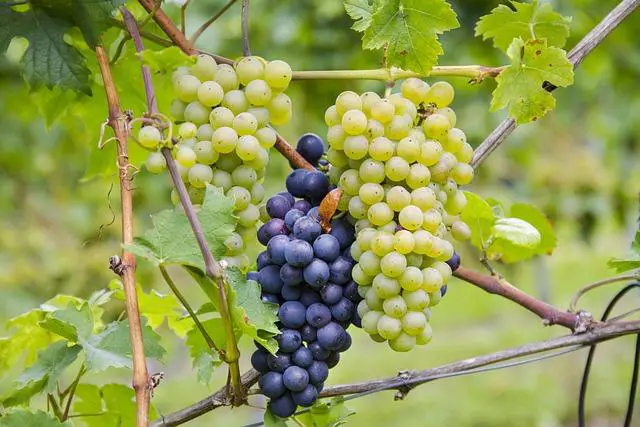
Riesling is an intensely aromatic, noble white grape varietal originating in the Rhine river basin of Germany, celebrated for its electrifying natural acidity, translucent terroir expression, petrol complexity with age, and remarkable spectrum from bone-dry to lusciously sweet.

Foundational Pillars (Start Here)

Estate Profile

A to Z Wineworks Riesling – Journey into the World of Winemaking

A producer guide exploring Oregon cool-climate Riesling vinification and balanced natural acidity.

Nutritional Data

How Many Calories in a Glass of Riesling? Sip and Stay Informed

Caloric and carbohydrate calculations across dry (Trocken) and off-dry (Kabinett) Riesling styles.

Storage Science

How to Store Riesling After Opening – Keeping the Essence Intact

Preserving Riesling aromatics after uncorking: oxidation resistance and optimal refrigeration guidelines.

The Oenological Wonder of Riesling: Slate, Acidity & TDN Aging

Riesling represents viticulture’s purest expression of terroir. The grape thrives on steep, south-facing river amphitheaters in Germany’s Mosel, Rheingau, and Pfalz, where blue, red, and grey slate soils absorb solar heat during cool days and radiate warmth to the vines at night. Riesling produces sky-high levels of tartaric acid that allow winemakers to leave varying amounts of unfermented natural grape sugar without the wine ever feeling cloying or heavy.

One of Riesling’s most fascinating chemical phenomena is its aging transformation. As fine Riesling matures over 10 to 30 years, carotenoid compounds in the grape break down to form 1,1,6-trimethyl-1,2-dihydronaphthalene (TDN). This molecule produces the highly prized aroma of kerosene or petrol, interwoven with beeswax, marmalade, candied citrus, and smoky flint minerality.

German Prädikatswein Riesling Sweetness & Ripeness Hierarchy

Prädikat LevelHarvest Timing & Must WeightAlcohol & Sugar ProfileSensory Descriptors
KabinettEarly harvest from main crop7–10% ABV; Dry to Off-DryGreen apple, slate minerality, lime, light ethereal body
Spätlese (Late Harvest)Harvested 7–10 days later8–11% ABV; Off-Dry to Medium-SweetRipe yellow peach, Meyer lemon, honeysuckle, rich mid-palate
Auslese (Select Harvest)Individually selected ripe bunches7–9% ABV; Medium-SweetCandied mango, apricot nectar, intense slate acidity balance
Beerenauslese (BA)Overripe berries with noble rot5.5–7% ABV; Lusciously SweetHoney, beeswax, botrytis marmalade, laser-like acid spine
Trocken (Dry)Any Prädikat fermented dry (<9g/L)11.5–13% ABV; Bone DryWhite peach, flint, crushed stone, mouthwatering crisp finish

Topic Directory & Expert Guides

Frequently Asked Questions

Is all Riesling sweet?

No. Riesling is produced across a full spectrum from bone-dry (Trocken) with zero sugar to luscious dessert wines. Look for ‘Trocken’ on German labels or high ABV (12%+) on domestic bottles for dry wines.

Why does aged Riesling smell like petrol or kerosene?

The distinct petrol aroma is caused by TDN, a natural compound formed by the breakdown of grape carotenoids over time. It is a sign of noble aging, sun exposure, and low-yield viticulture.

What culinary dishes pair best with off-dry Riesling?

Off-dry Riesling (Kabinett/Spätlese) is the single best wine on earth for spicy Thai dishes, Indian curries, Peking duck, and pungent washed-rind cheeses.

Should Riesling Be Served Chilled? Crafting the Perfect Experience

Riesling, a versatile white wine famous for its floral aromas and vibrant acidity, is often best served chilled. Cooling it enhances its refreshing qualities and balances the sweetness. However, serving it too cold may mask its delicate flavors. The optimal temperature for Riesling ranges between 45-55°F (7-13°C). Remember, there's no one-size-fits-all when it comes to wine, so experiment to find your perfect serving temperature. Cheers to crafting your ideal Riesling experience!

0 Comments

Is Riesling Served Cold? Mastering the Art of Riesling Service

Riesling, a versatile and elegant wine, begs the question of how it should be served: chilled or at room temperature? To truly master the art of Riesling service, it is crucial to understand the ideal serving temperature. In this article, we will delve into the science behind Riesling's flavors, explore the different styles of Riesling, and provide recommendations for serving temperatures that will enhance your enjoyment of this exceptional wine. So, grab a glass, and let's uncover the secrets of perfect Riesling service.

0 Comments

Is Riesling Sweeter Than Moscato? Navigating the Sweetness Spectrum

When it comes to sweetness in wine, Riesling and Moscato often appear in conversations. But which one is sweeter? Well, it depends on various factors. Riesling generally showcases a wider range of sweetness levels, from bone-dry to extremely sweet. On the other hand, Moscato tends to lean towards the sweeter end of the spectrum. Both wines offer delightful flavors, but their sweetness profiles differ. Ultimately, it comes down to personal preference. Understanding the differences between Riesling and Moscato can help you navigate the sweetness spectrum and choose the wine that suits your taste buds.

0 Comments

How Long Does Riesling Last Opened? Preserving the Flavor Journey

Riesling is a versatile white wine loved for its fruity and floral flavors. But how long can you savor its goodness once opened? Proper storage and preservation techniques are key. In this article, we delve into the factors that affect Riesling's lifespan, offering tips to extend the flavor journey. From chilling to resealing techniques, we've got you covered. So sit back, relax, and drink in the knowledge of preserving your open bottle of Riesling.

0 Comments