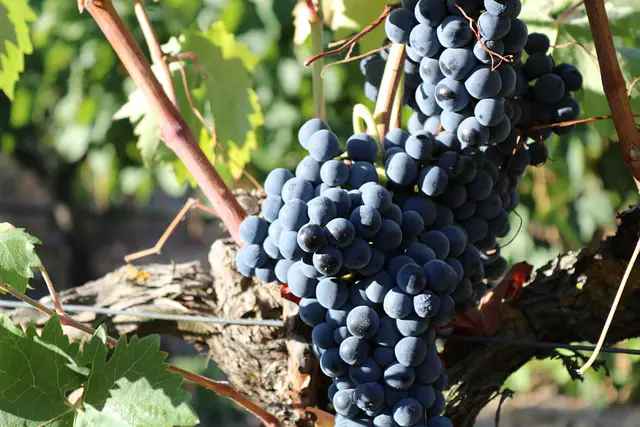
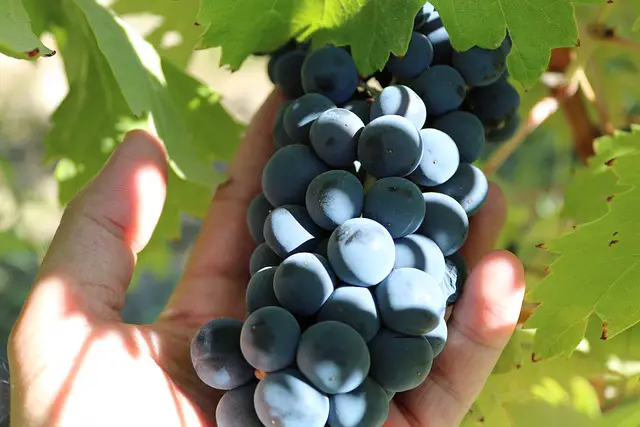
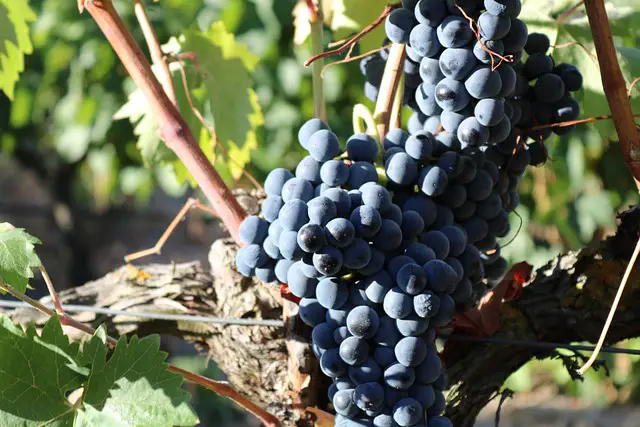
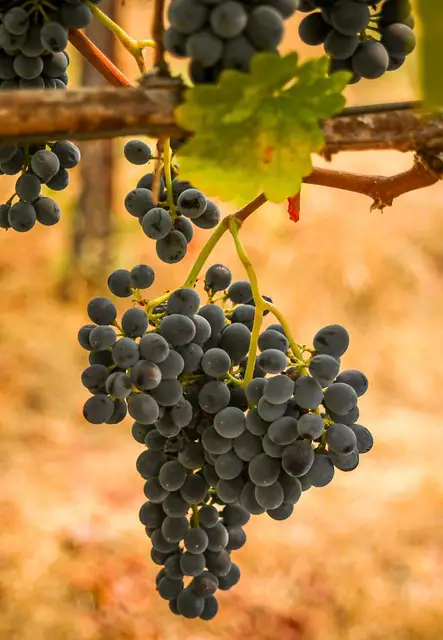
Syrah (also known globally as Shiraz) is one of the world’s noble dark-skinned red grape varieties. Originating in the Northern Rhône Valley of France, Syrah produces full-bodied red wines celebrated for intense flavors of blackberry, blueberry, cracked black peppercorn, smoked meat, and black olive with exceptional cellar aging potential.
Syrah and Shiraz Wine: Global Varietal Guide
Syrah is renowned for its remarkable versatility across diverse global terroirs—from the cool, granite slopes of Northern Rhône appellations (Hermitage, Côte-Rôtie, Cornas) to the sun-drenched, ancient red clay soils of Australia’s Barossa and McLaren Vale.
Northern Rhône Elegance vs. Bold Australian Barossa Shiraz
1. Northern Rhône Old-World Syrah (Savory & Peppery)
Exhibits high natural acidity, structured savory tannins, and distinctive aromas of crushed black pepper (rotundone), smoked bacon, graphite, and lavender.
2. Australian Barossa & McLaren Vale Shiraz (Lush & Bold)
Lush, opulent, and fruit-forward with concentrated blackberry jam, chocolate mocha, eucalyptus mint, and sweet American oak vanilla.
3. Paso Robles & Washington State Syrah
American Syrah blends New World fruit intensity with savory Old World spice and structured acidity.
Syrah / Shiraz Flavor & Terroir Comparison Matrix
Region / Style
Climate & Soil
Primary Flavor Notes
Tannin & Body
Food Pairing
Northern Rhône (France)
Cool-moderate / Granite slopes
Black pepper, olive tapenade, smoked meat
High acid / Firm tannin
Roasted lamb, venison, duck
Barossa Valley (Australia)
Warm-hot / Ironstone clay
Blackberry jam, dark chocolate, mint
Full body / Velvet tannin
Smoked brisket, ribeye steak
Washington State (USA)
Arid continental / Basalt gravel
Blueberry, sage, coffee bean
Medium-Full / Polished
Grilled pork belly, burgers
Frequently Asked Questions (FAQ)
Is Syrah the same as Shiraz?
Yes, genetically Syrah and Shiraz are 100% identical. Winemakers use “Syrah” to signal a leaner, peppery French Old-World style, and “Shiraz” to signal a richer, bolder Australian style.
What temperature should Syrah be served at?
Syrah is best served at 60°F to 65°F (16°C to 18°C) in a large bowl red wine glass to allow complex savory aromas to aerate.
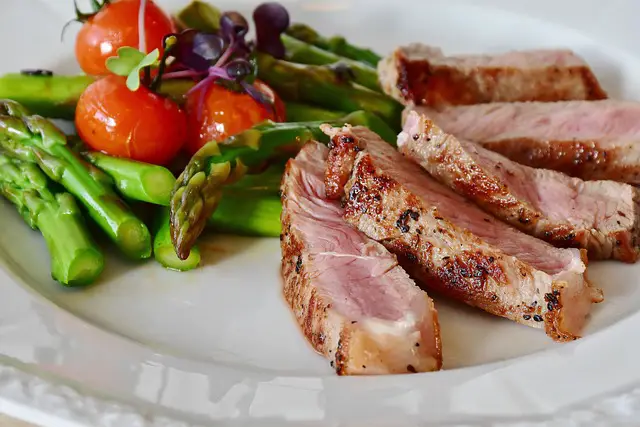
Syrah, a bold and robust red wine, is a match made in heaven for steak. Its dark fruit flavors and smoky notes perfectly complement the rich, juicy flavors of a perfectly cooked steak. The meat's umami pairs harmoniously with Syrah's tannins, creating a well-balanced and satisfying combination. So, next time you're grilling a steak, reach for a bottle of Syrah and prepare your taste buds for a delightful experience.
Syrah, often known as Shiraz, is a bold and robust red wine that originated in France's Rhône Valley. It boasts intense flavors of dark fruits, black pepper, and spices, making it a favorite among red wine enthusiasts. With its ability to age gracefully, Syrah offers a complex and enjoyable drinking experience. Whether enjoyed on its own or paired with rich and hearty dishes, Syrah is a wine that demands attention and appreciation.
When it comes to Syrah vs. Shiraz, many wine enthusiasts debate whether they are the same or different. While they both come from the same grape variety, there are distinct style differences. Syrah is known for its elegant and complex flavors, while Shiraz is bolder and fruit-forward. The choice between them ultimately depends on personal preference and the occasion.
If you're a wine enthusiast, chances are you've come across Grenache Syrah, a captivating blend that has taken the wine world by storm. Renowned for its bold flavors and smooth…
Syrah, also known as Shiraz, can be confusing when it comes to its dryness levels. While some Syrahs may have a perception of sweetness due to ripe fruit flavors, most are indeed dry. The residual sugar in a typical Syrah is minimal, allowing its rich tannins and robust character to shine. So, next time you enjoy a glass of Syrah, remember that it's predominantly a dry wine, perfect for those who prefer less sweetness.
If you're considering investing in Syrah Resources, it's crucial to weigh some key considerations. Syrah's track record, market trends, and financial stability all play a vital role. Additionally, understanding the global graphite market, competition, and the company's strategic plans can aid in making an informed investment decision.
Are you wondering if you should decant your Syrah? Look no further! In this guide, we'll explore the benefits of decanting Syrah and provide you with all the information you need to make an informed decision. So, grab a glass and let's dive in!
Is Syrah a dry wine? Let's debunk the moisture myth. Despite its bold and fruity flavors, Syrah is indeed a dry wine. Dryness refers to the absence of sweetness, not moisture content. Don't be fooled by its juicy character – Syrah brings out a perfect balance of flavors. So, rest assured, Syrah lovers, your favorite wine is as dry as it gets!
Decanting Syrah can unlock its fullest potential, but how long should you let it breathe? The answer lies in its age and structure. Younger Syrahs benefit from 1-2 hours of decanting, allowing fruit flavors to flourish. Older vintages, on the other hand, require shorter time frames, typically 30-60 minutes. Striking the right balance is crucial, so follow these tips to enhance the aromas and flavors of your Syrah.
Are you looking to diversify your investment portfolio with Syrah stock? This article provides informative insights on how to buy Syrah stock and make smart investment decisions. We will guide you through the process, empowering you with the knowledge and confidence to make informed choices. Whether you're a seasoned investor or new to the market, this article will help you navigate the world of Syrah stock investment.
Syrah, a bold red wine, promises a flavor expedition. Aromas of blackberry, violet, and black pepper set the stage, followed by a palate of dark fruits, spices, and earthy undertones. Its robust tannins offer a firm structure, while a touch of acidity adds vibrancy. With moderate to high alcohol content, Syrah delivers a full-bodied experience. Pair it with hearty dishes or aged cheeses for a perfect match. Let your taste buds embark on this flavorful journey through the wonders of Syrah.
If you're a wine enthusiast or simply curious about expanding your palate, you may have come across the wine variety known as Syrah. With its origins rooted in the Rhône…
When it comes to red wine, the terms Petite Sirah and Syrah are often used interchangeably. However, there are distinct differences between the two varietals. Petite Sirah is known for its bold, intense flavors and tannins, while Syrah offers a more elegant and refined profile. Understanding these disparities can help you make an informed decision when selecting your next bottle of red wine. Let's delve deeper into the characteristics that set petite Sirah and Syrah apart.
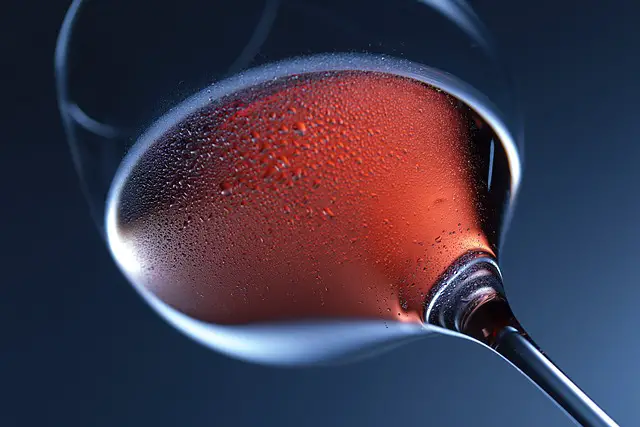
Syrah, a popular red wine varietal, showcases a visually captivating range of colors. The color of Syrah can span from deep inky purple to vibrant ruby, or even take on a brick-like appearance with age. While hues can vary, Syrah's color often offers insights into its age, body, and flavor profile. Understanding the visual cues of Syrah's color can greatly enhance your wine tasting experience. Let's delve into the fascinating world of Syrah's hues and explore how they impact the overall wine enjoyment.
Syrah wine, also known as Shiraz, has gained popularity worldwide due to its bold and robust flavor profile. A good Syrah exhibits dark fruit flavors, such as blackberry and plum, alongside peppery and earthy notes. It offers a medium to full body with moderate tannins and a long, lingering finish. Some excellent options include Côte-Rôtie and Hermitage from the Rhône Valley, and Barossa Valley Shiraz from Australia. These wines showcase the varietal's characteristic intensity and complexity, making them perfect for red wine enthusiasts.
Syrah and Shiraz: two names used to describe the same grape variety. Many assume they are different, but in reality, they are not. The confusion stems from the different winemaking styles associated with each name. Syrah typically refers to old-world, elegant wines, while Shiraz represents the bold, fruit-forward style of the new world. So, next time you're in the wine aisle, know that Syrah and Shiraz are just two faces of the same delicious grape.
Syrah, the bold red wine variety, offers a distinct taste. Comparable to Cabernet Sauvignon and Grenache, it combines the dark fruit flavors of blackberry with peppery notes and hints of spice. Unlike Merlot, Syrah carries more tannins, providing a robust mouthfeel. Opting for a Syrah during a tasting will undoubtedly satisfy those seeking a rich and complex wine experience.
Syrah, with its bold flavors and rich textures, is a wine that demands attention. Designed to captivate the palate and satisfy even the most discerning wine enthusiasts, this varietal has…
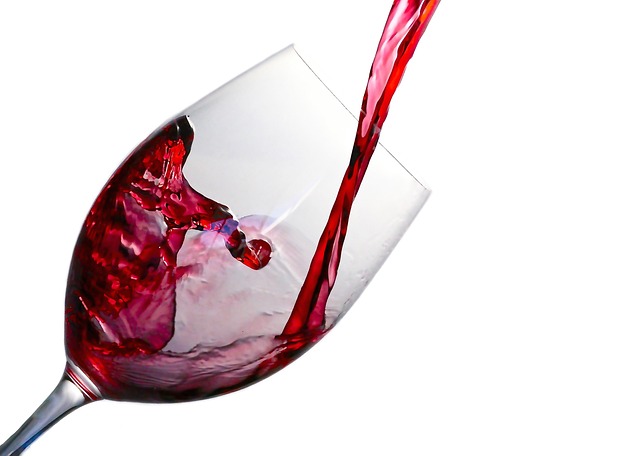
When it comes to enjoying a glass of Syrah, selecting the right wine glass is essential for maximizing the tasting experience. The ideal choice is a tall, narrow glass with a wide bowl and a tapered rim. This design allows the wine's complex aromas to concentrate, while directing them towards your nose. Additionally, the narrower opening helps to retain the wine's bold flavors and balances its relatively high acidity. So, next time you pour yourself a glass of Syrah, make sure to reach for the appropriate glassware to fully savor its rich characteristics.
Syrah, a popular red wine grape, often confuses drinkers with its perceived sweetness. However, it's important to clarify that Syrah is typically dry, not sweet. The balance of sugar and acidity in wines affects the perception of sweetness, and Syrah's bold fruit flavors can sometimes give off that impression. Understanding this distinction allows us to appreciate the wine's true qualities and pair it effectively with food. So, next time you savor a glass of Syrah, rest assured that its sweetness levels won't overwhelm your palate.