Ever wondered how a stainless steel wine cooler works? It’s not magic, but it might feel like it when you pop open a perfectly chilled bottle. Stainless steel wine coolers are the unsung heroes of any wine lover’s collection, blending sleek design with cutting-edge technology to keep your favorite vintages at their best.
Imagine hosting a dinner party and effortlessly pulling out a bottle of wine that’s been kept at the ideal temperature. No more guessing games or awkwardly warm glasses of Chardonnay. With a stainless steel wine cooler, you’re not just storing wine; you’re preserving its essence. Let’s dive into the fascinating mechanics behind these modern marvels and discover why they’re a must-have for any serious oenophile.
Obsah
- Key Takeaways
- What Is A Stainless Steel Wine Cooler?
- The Science Behind Wine Cooling
- Key Components Of A Stainless Steel Wine Cooler
- Advantages Of Using A Stainless Steel Wine Cooler
- How To Use A Stainless Steel Wine Cooler Effectively
- Buying Guide: Choosing The Right Stainless Steel Wine Cooler
- Conclusion
- Frequently Asked Questions
- What are the main benefits of using stainless steel wine coolers?
- How do thermoelectric wine coolers differ from compressor-based systems?
- Why is precise temperature management important for wine coolers?
- What should I consider in terms of capacity when choosing a wine cooler?
- Are stainless steel wine coolers energy efficient?
- How does shelving functionality affect wine storage?
- What additional features should I look for in a wine cooler?
- How does the quality of materials impact the performance of a wine cooler?
- What should I consider when budgeting for a stainless steel wine cooler?
- Is a warranty important when buying a wine cooler?
Key Takeaways
- Optimal Temperature Control: Stainless steel wine coolers use advanced thermoelectric or compressor-based systems to maintain precise temperatures, essential for preserving the flavor and quality of different wine types.
- Durable and Aesthetically Pleasing: Built with durable stainless steel, these coolers not only resist corrosion and damage but also add a sleek, modern look to your kitchen or dining area.
- Effective Insulation Properties: High-quality insulation, UV-resistant door glass, and low thermal conductivity of stainless steel ensure minimal thermal transfer and protect wines from external temperature fluctuations.
- Digital Controls and Customization: Equipped with digital controls, these coolers offer precise temperature adjustments, programmable zones, and features like temperature alarms to ensure optimal wine storage conditions.
- Maintenance and Longevity: Regular maintenance such as dusting vents, checking seals, and defrosting helps extend the lifespan and efficiency of the wine cooler, ensuring long-term wine preservation.
- Versatile Storage Options: Available in single-zone and dual-zone models, stainless steel wine coolers accommodate both red and white wines, making them ideal for diverse wine collections.
What Is A Stainless Steel Wine Cooler?
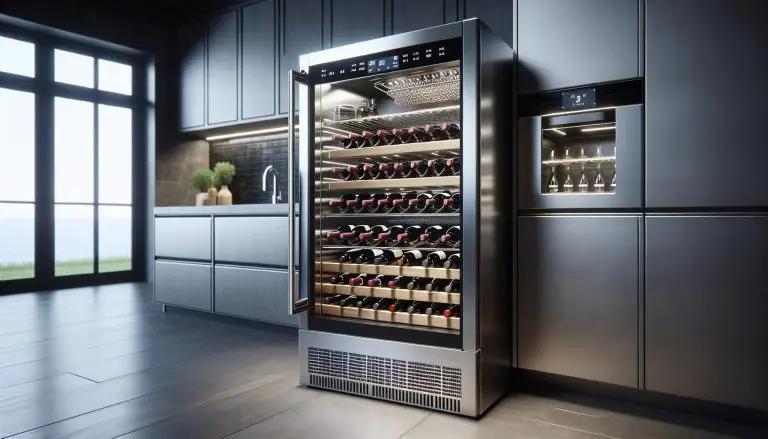
A stainless steel wine cooler is a specialized appliance designed to store and chill wine at optimal temperatures. These coolers use advanced cooling technology to maintain precise temperature settings. I find these appliances essential for anyone serious about wine preservation.
Stainless steel construction not only gives the cooler a sleek appearance but also provides durability. Such a design complements modern kitchens and dining areas. I appreciate the aesthetic appeal it offers alongside its functionality.
Thermoelectric or compressor-based systems usually power these coolers. Thermoelectric coolers are quieter and vibrate less, while compressor-based coolers are more effective in maintaining lower temperatures. The choice of system depends on personal preferences and specific wine storage needs.
Single-zone and dual-zone cooling options are available. Single-zone coolers maintain one consistent temperature, ideal for storing one type of wine. Dual-zone coolers, on the other hand, allow for storing both red and white wines at different temperatures. I use a dual-zone cooler for its versatile storage options.
Temperature control is critical for preserving wine quality. These coolers often come with digital controls, making it easy to set and monitor the temperature. Consistent and accurate temperature regulation ensures the wine matures properly and stays flavorful.
With UV-resistant doors, many stainless steel wine coolers protect wine from harmful light exposure. This added layer of protection is crucial for storing wine long term. I rely on this feature to keep my wine collection in perfect condition.
The Science Behind Wine Cooling

Understanding how stainless steel wine coolers work involves examining the principles of temperature control and insulation. These factors ensure wine is preserved at the optimal conditions.
Temperature Control
Precision is key when it comes to temperature control in wine coolers. Most stainless steel wine coolers use either thermoelectric or compressor-based systems. Thermoelectric systems create a cooling effect by passing electricity through different materials that cool one side and transfer heat to the other. They operate quietly and are perfect for smaller spaces.
Compressor-based systems, on the other hand, work similarly to regular refrigerators. They use a refrigerant to absorb heat and expel it outside the unit, maintaining a consistent temperature. These systems handle larger capacities and achieve lower temperatures, making them suitable for long-term storage.
Both systems offer digital controls for precise temperature management. A digital thermostat displayed on the front allows for easy adjustments, ensuring wines are stored at their ideal temperatures. For red wines, this is generally between 55°F and 65°F, while white wines are best kept between 45°F and 50°F.
A stainless steel wine cooler’s accurate temperature control promotes optimal aging conditions, preserving the delicate flavors and aromas.
Insulation Properties
Effective insulation is crucial for maintaining the internal temperature of the wine cooler. Stainless steel wine coolers often have high-quality insulation, which minimizes thermal transfer.
Insulation reduces the impact of external temperature fluctuations on the interior climate. This is essential for keeping wines at a consistent temperature. Foam insulation is commonly used due to its excellent thermal resistance properties.
UV-resistant door glass further enhances insulation. This feature blocks harmful ultraviolet light that can degrade wine quality. The door seals tightly, preventing warm air from entering and cool air from escaping.
The stainless steel exterior also plays a role. It’s not just about looks; stainless steel is durable and has low thermal conductivity, aiding in temperature retention. This combination of materials and construction methods keeps the wine cooler efficient, preserving your wine collection in its best condition.
Key Components Of A Stainless Steel Wine Cooler

Stainless steel wine coolers combine essential components to maintain wine at ideal conditions. They ensure your collection remains in excellent state and ready for enjoyment.
Cooling Mechanism
The cooling mechanism sets the foundation for a wine cooler’s performance. It uses either thermoelectric or compressor-based systems. Each system presents its benefits and suitabilities. Thermoelectric systems operate quietly and without vibration. They provide a stable environment ideal for smaller collections. Typically, they handle ambient temperature variations well within particular limits.
Conversely, compressor-based systems offer more robust cooling capability. They are suitable for larger collections and offer better temperature control under varying ambient temperatures. These systems operate similarly to a refrigerator but are optimized to preserve wine quality. The choice of mechanism depends on your storage needs and ambient conditions.
Digital Controls
Digital controls provide precision in setting and maintaining the desired temperature. These controls often feature touch screen panels. They offer easy navigation and temperature adjustments. Advanced models include programmable temperature zones. This allows customization for different wine types like reds and whites. A bright, clear display ensures visibility, even in low light conditions.
Digitally controlled coolers might also feature temperature alarms. These alerts ensure you’re notified if the internal temperature fluctuates beyond set limits. Many models offer a memory function. This restores settings after power outages, ensuring minimal disruption to the wines’ preservation.
Advantages Of Using A Stainless Steel Wine Cooler

Stainless steel wine coolers offer numerous benefits that enhance the wine preservation experience.
Durability
Stainless steel wine coolers provide exceptional durability. These coolers resist corrosion better than other materials. Due to this resistance, they’re perfect for long-term use. Even in humid environments, they remain unaffected. Next, the strength of stainless steel prevents dents and damages. This longevity ensures your investment lasts for years. Plus, cleaning and maintenance are straightforward. Unlike other finishes, stainless steel doesn’t show rust. Because of these features, homeowners and collectors favor stainless steel.
Aesthetic Appeal
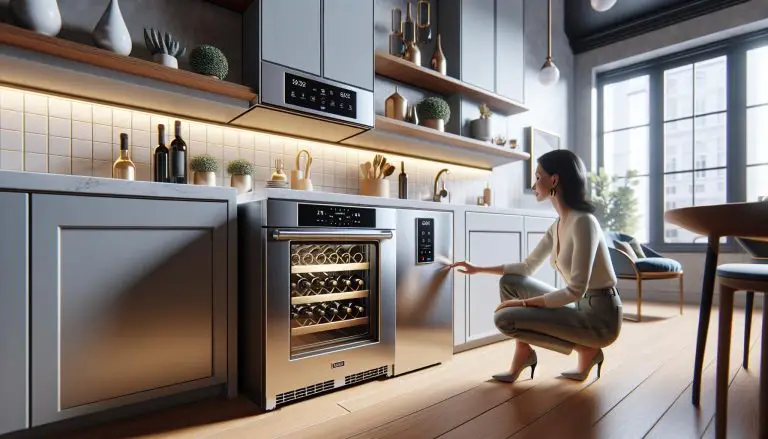
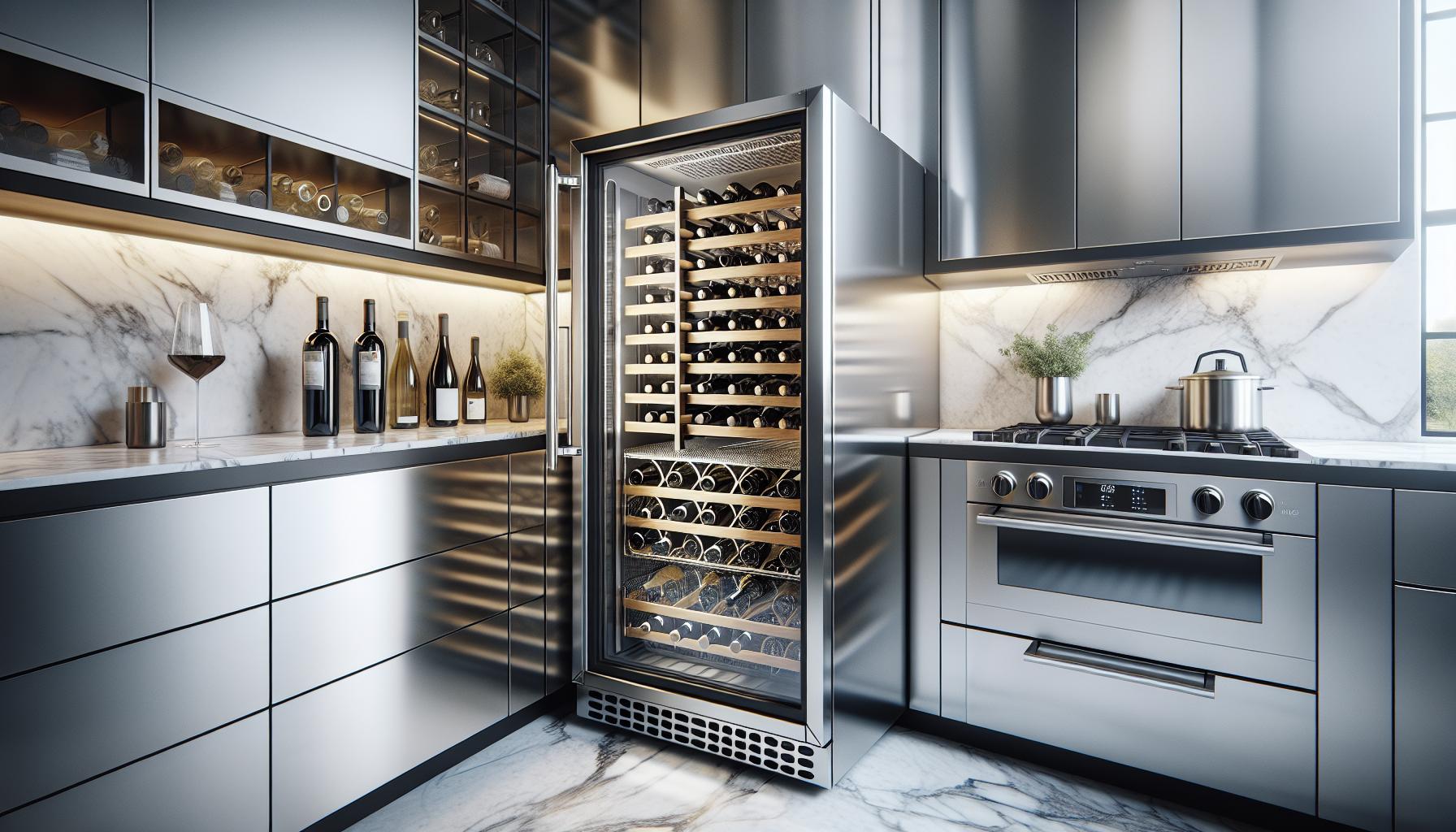
In addition to durability, stainless steel wine coolers exude aesthetic appeal. Their sleek, modern look complements various kitchen designs. Thanks to their reflective surface, they add a touch of elegance to any space. Furthermore, the neutral color matches different decor styles. Stainless steel’s timeless design stays relevant despite changing trends. Homeowners find these coolers elevate the overall aesthetic of their kitchens or wine rooms. The coolers often include elegant details like glass doors. These glass doors provide a clear view of the wine collection inside, enhancing visual appeal.
How To Use A Stainless Steel Wine Cooler Effectively
Optimizing your stainless steel wine cooler ensures your wine maintains its quality and taste. Here’s how:
Ideal Temperature Settings
Achieving the right temperature is crucial for preserving wine. Red wines thrive at 55-65°F (13-18°C). White wines stay best at 45-50°F (7-10°C). Sparkling wines need an even cooler environment, around 40-45°F (4-7°C). Knowing your wine type and setting the cooler accordingly maximizes preservation.
Using digital controls helps maintain precise temperatures. Most modern stainless steel coolers feature these controls. You select and monitor the temperature with ease. Make sure to adjust settings based on whether you store reds, whites, or sparkling wines.
Programmable temperature zones are also beneficial. They allow different temperature settings within the same cooler. This feature is useful if you store various wine types simultaneously. Keeping each type at its optimal temperature ensures the best taste and quality.
Maintenance Tips
Proper maintenance extends the life of your stainless steel wine cooler. Regular dusting keeps the vents clear. Blocked vents can affect cooling efficiency. Using a soft cloth or brush for cleaning the exterior maintains its sleek appearance. Avoid abrasive cleaners to prevent scratches.
Checking seals periodically helps maintain efficiency. Improperly sealed doors let warm air in, compromising cooling. If the seals appear damaged or worn, replace them promptly. This simple step ensures that the cooler works efficiently.
Defrosting the cooler, if necessary, maintains performance. Ice buildup can hinder functionality. Follow the manufacturer’s instructions for defrosting. Scheduled defrosting avoids such issues.
Inspect internal components like fans and coils regularly. Clean them to avoid dust accumulation, ensuring optimal performance. Consider using mild detergent for this task. Maintaining these parts helps the entire system function smoothly. Proper maintenance prevents potential issues, ensuring your wine cooler remains in top condition.
Buying Guide: Choosing The Right Stainless Steel Wine Cooler
Selecting the perfect stainless steel wine cooler involves evaluating several key factors. This guide will help make an informed decision, addressing essential features and budget considerations.
Important Features
Capacity matters. Look for a wine cooler that can hold the number of bottles you plan to store. For example, choose a 12-bottle unit for occasional use or a 50-bottle cooler for extensive wine collections.
Temperature control is crucial. Digital controls provide precise settings to ensure optimal wine preservation. Verify if the cooler includes adjustable programmable temperature zones for different wine types.
Efficiency affects both performance and cost. Compressor-based coolers handle larger capacities and maintain stable temperatures well, while thermoelectric systems are quieter and more energy-efficient for smaller collections.
Design and material quality impact longevity. Stainless steel coolers offer durability, resistance to corrosion, and an elegant look, enhancing your kitchen or bar area’s aesthetic appeal.
Shelving must be functional. Removable shelves provide flexibility. Ensure they are sturdy enough to accommodate a variety of wine bottle sizes and shapes.
Additional features such as UV-resistant glass doors, humidity control, and temperature alarms can offer added value and convenience.
Budget Considerations
Start by determining how much you’re willing to spend. Stainless steel wine coolers vary widely in price, generally ranging from $200 for smaller units to $2000 or more for high-capacity models.
Balance your needs with your budget. If you’re a casual wine drinker, a more affordable, smaller unit might suffice. Serious collectors might invest in a higher-end cooler with advanced features.
Quality often correlates with cost. Investing a bit more can yield better insulation, quieter operation, and enhanced durability, reducing long-term expenses and maintenance.
Energy efficiency impacts electricity bills. Though initial costs might be higher, energy-efficient models can save money over time. Check for energy ratings on the appliance.
Look for sales and discounts. Sometimes, waiting for promotions can allow you to purchase a higher-quality model within your budget.
Assess warranty and customer service. Opt for brands that offer good warranties and have a reputation for excellent customer support, ensuring peace of mind and prolonged product life.
Conclusion
Understanding how a stainless steel wine cooler works can significantly enhance your wine preservation experience. By choosing the right cooling system and focusing on essential features like capacity and temperature control, you ensure your wines remain at their best. The insulation properties of stainless steel, along with additional features like UV-resistant glass doors and humidity control, further protect your collection. Balancing your needs with your budget while considering energy efficiency and customer service will help you make an informed decision. Investing in a quality wine cooler is a step toward enjoying your wines as they were meant to be enjoyed.
Frequently Asked Questions
What are the main benefits of using stainless steel wine coolers?
Stainless steel wine coolers offer enhanced durability, efficient cooling, and aesthetic appeal. They also come with advanced features such as precise temperature control and UV-resistant glass doors, ensuring optimal wine preservation.
How do thermoelectric wine coolers differ from compressor-based systems?
Thermoelectric wine coolers are quieter and more energy-efficient but are best suited for smaller collections. Compressor-based systems are more powerful, making them ideal for larger collections and providing consistent cooling even in warmer environments.
Why is precise temperature management important for wine coolers?
Precise temperature management is crucial for preserving the flavor, aroma, and overall quality of wine. Different types of wine require specific temperatures, which stainless steel wine coolers can maintain consistently.
What should I consider in terms of capacity when choosing a wine cooler?
Consider the size of your wine collection and future growth. Choose a cooler with sufficient capacity to accommodate your current collection while allowing room for expansion.
Are stainless steel wine coolers energy efficient?
Many stainless steel wine coolers are designed to be energy efficient, which can save on electricity bills and reduce environmental impact. Look for models with energy-efficient ratings for optimal performance.
How does shelving functionality affect wine storage?
Adjustable and sturdy shelving enhances storage flexibility and ensures that bottles are stored securely, preventing movement and potential damage, thereby preserving wine quality.
What additional features should I look for in a wine cooler?
Look for features like UV-resistant glass doors, humidity control, and digital temperature displays. These enhance wine preservation and provide ease of use.
How does the quality of materials impact the performance of a wine cooler?
High-quality materials, such as stainless steel, ensure better insulation and durability, which contributes to maintaining consistent temperatures and reducing energy consumption.
What should I consider when budgeting for a stainless steel wine cooler?
Balance your budget with your needs by assessing the cooler’s quality, efficiency, and additional features. Also, look for energy-efficient models, take advantage of sales and discounts, and evaluate warranty and customer service for the best value.
Is a warranty important when buying a wine cooler?
Yes, a warranty is important as it covers potential defects and repairs, providing peace of mind and protecting your investment in the long run. Make sure to evaluate the terms and customer service quality when purchasing.