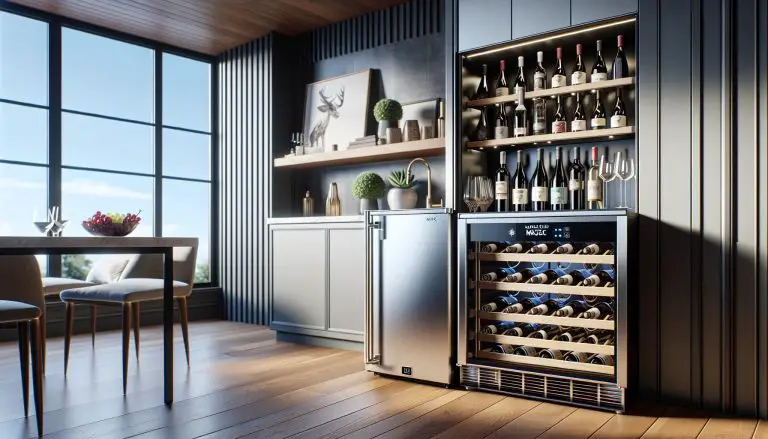
Ever dreamt of having your own wine cooler cabinet but balked at the price tags? Well, you’re in luck because I’m about to show you how to build a wine cooler cabinet that’ll make your friends think you moonlight as a master carpenter. Imagine sipping a perfectly chilled glass of Pinot Noir, knowing that you crafted the very cabinet it’s stored in.
Obsah
- Key Takeaways
- Understanding the Basics
- Essential Tools and Materials
- Step-by-Step Guide
- Common Challenges and Solutions
- Tips for Optimal Wine Storage
- Conclusion
- Frequently Asked Questions
- What are the ideal temperature and humidity levels for a wine cooler cabinet?
- What essential tools and materials are needed to build a wine cooler cabinet?
- How can I ensure proper temperature control in my wine cooler cabinet?
- How can I manage humidity levels in my wine cooler cabinet?
- Why is proper organization important in a wine cooler cabinet?
- How can I maximize vertical space in my wine cooler cabinet?
- What are some tips for organizing my wine collection?
- Is it necessary to invest in a high-quality cooling unit?
Key Takeaways
- Cost-Effective Alternative: Building a wine cooler cabinet yourself is more affordable than purchasing a commercial unit, allowing for a custom fit and quality material selection.
- Enhanced Satisfaction and Skill Building: The project offers a sense of pride and an opportunity to improve your carpentry skills while creating a functional and aesthetic piece.
- Essential Tools and Materials: Key tools like circular saws, drills, and sanders, alongside high-quality plywood and insulation materials, are crucial for ensuring a durable and well-crafted cabinet.
- Step-by-Step Assembly: The process includes designing the cabinet, assembling the frame, insulating, installing the cooling unit, and adding shelves and finishing touches for a polished result.
- Common Challenges and Solutions: Ensuring consistent temperature and humidity control is essential, requiring quality cooling units, proper insulation, and regular calibration to avoid wine spoilage and mold growth.
- Optimal Wine Storage Tips: Maintain temperatures between 55°F to 57°F and humidity levels between 60% to 70%, use proper organization techniques, and invest in adjustable shelving for efficient and safe wine storage.
Understanding the Basics
Building a wine cooler cabinet is a fulfilling project. It allows a sense of accomplishment while keeping your wine collection in optimal condition.
What Is a Wine Cooler Cabinet?
A wine cooler cabinet stores wine at the ideal temperature. Unlike regular cabinets, it maintains consistent humidity and temperature. You can preserve the wine’s flavor and aroma this way. Typically, it’s designed with shelves that cradle each bottle, keeping them safe from vibration. Many wine enthusiasts prefer these cabinets for their controlled environment, ensuring the wine ages gracefully. Because the temperature in a wine cooler cabinet is set between 45°F and 65°F, wines mature without being exposed to rapid temperature changes. With this in mind, a DIY project like this requires careful planning and the right materials to replicate these conditions.
Benefits of Building Your Own
Creating your wine cooler cabinet offers numerous advantages. First, it’s a cost-effective alternative to high-priced commercial units. You can select quality materials and design it to fit your space perfectly, ensuring a custom fit. Additionally, there’s immense satisfaction in crafting something functional and aesthetic. Every time you open the door to select a bottle, you’ll feel a sense of pride. Through this project, you enhance your carpentry skills and create something unique. Lastly, you can incorporate additional features, like LED lighting or temperature controls, improving the overall utility of your cabinet.
Essential Tools and Materials

Building a wine cooler cabinet requires a mix of tools and materials. Proper planning ensures the project runs smoothly and effectively meets your wine storage needs.
Tools Required
Using the right tools guarantees precision and a polished finish. A tape measure comes first to ensure accurate measurements. Circular saws help cut wood sections cleanly. Drills with various drill bits allow for quick assembly. Sandpaper and an orbital sander prepare the surfaces for painting or staining. If adding any intricate designs, a jigsaw works wonders. Clamps hold pieces in place for a secure bond. A carpenter’s square ensures all angles are accurate. Leveling is key, so a level is indispensable. Finally, a paintbrush or foam roller helps achieve the desired finish.
Materials List
Selecting appropriate materials is crucial for both functionality and aesthetics. High-quality plywood or solid wood forms the main structure, ensuring durability. Insulation materials such as foam panels contribute to maintaining consistent temperatures. Hinges and drawer slides facilitate smooth operation of doors and drawers. Various screws, nails, and wood glue secure all components together. Weather stripping creates an airtight seal, preventing temperature fluctuations. Consider using a thermostat or temperature control unit for precise climate regulation. For added utility, install LED lighting strips inside the cabinet. Lastly, finishing materials like paint, stain, or varnish provide the final touch.
Step-by-Step Guide

Let’s dive straight into building a wine cooler cabinet. This guide lays the steps out clearly, ensuring each part of the process is easy to follow.
Designing Your Wine Cooler Cabinet
First, create a blueprint for your wine cooler cabinet. Measure the space where you’ll place the cabinet. Next, calculate the dimensions of the cabinet frame. Consider wine bottle sizes and how many you plan to store. Plywood sheets and insulation panels usually form the basic structure.
Choose a cooling unit. Ensure its compatibility with your cabinet size. Include space for ventilation and wiring. Adding LED lighting can enhance the cabinet’s look. Select hinges, screws, and weather stripping to keep the inside climate-controlled.
Design the shelves. They should fit both regular bottles and larger ones, such as champagne. Plan for adjustable shelving if you want versatility. Include a door that seals effectively to maintain temperature.
Assembling the Frame
Start assembling the frame by cutting the plywood based on your measurements. Circular saws work well here. Align the pieces and use clamps to hold them together. Drill pilot holes before driving screws to avoid splitting the wood.
Use wood glue for added stability. Attach the bottom and top panels first. Follow with the sides and back. Ensure everything aligns correctly. Sand the edges to remove splinters. Check the frame’s sturdiness. Reinforce any weak spots with extra screws.
Insulating and Installing the Cooling Unit
Next, install insulation panels inside the frame. These panels keep the interior climate steady. Measure the panels for a tight fit. Secure them with adhesive and screws. Pay special attention to corners.
Install the cooling unit. Place it in the designated space, ensuring proper ventilation. Follow the manufacturer’s instructions for wiring and placement. Seal any gaps with weather stripping. This step is crucial to maintain the desired temperature.
Adding Shelves and Finishings
Install the shelves once the cooling unit is secured. Measure and cut them to fit inside the cabinet. Use adjustable brackets if you opted for versatile shelving. Secure the shelves with screws.
Add finishing touches to the cabinet. Paint or varnish the exterior for protection. Install LED lighting inside for enhanced visibility and aesthetics. Attach the door with hinges, ensuring it closes tightly. Finally, add a handle for convenience.
Your wine cooler cabinet is now ready. Follow each step closely for a functional and beautiful addition to your home.
Common Challenges and Solutions
Every project comes with potential obstacles. I’ll break down common challenges you might face when building a wine cooler cabinet and offer practical solutions.
Dealing With Temperature Control
Maintaining a consistent temperature is crucial for a wine cooler. Inconsistent temperatures can spoil the wine, making precise control critical. I recommend investing in a high-quality cooling unit. Choose a unit appropriate for the size of your cabinet to ensure effective cooling. Use digital thermostats for precise control.
Avoid placing the cabinet in direct sunlight. Constant exposure to heat sources outside the cabinet can cause temperature fluctuations inside. Insulate the cabinet well using appropriate insulation materials. Use foam or fiberglass insulation panels to maintain a steady internal temperature.
Regularly calibrate the thermostat. Inaccurate readings can lead to improper temperature regulation. Check the unit’s manual for calibration instructions and follow them meticulously. Proper ventilation around the cooling unit is also necessary. Ensure there’s enough space for air circulation to prevent the unit from overheating.
Addressing Humidity Issues
Humidity control ensures wine quality over time. Wine requires a stable humidity level to preserve its taste and aroma. Install a hygrometer to monitor the humidity inside the cabinet. I suggest keeping humidity levels between 50% and 70% for optimal storage conditions.
Use a humidifier if levels drop too low. Low humidity can dry out corks, letting air seep into the bottle and spoil the wine. Place small dishes of water inside the cabinet for a quick humidity fix. Regularly check these dishes and refill them as needed.
Dehumidifiers are essential when humidity levels are too high. Excess moisture can lead to mold growth, damaging both wine labels and the cabinet structure. Ensure proper ventilation to prevent moisture buildup. Position vents strategically to promote airflow and reduce humidity levels naturally.
By addressing these common challenges with precision and care, you’ll ensure your wine cooler cabinet remains in peak condition, providing the best environment for your wine collection.
Tips for Optimal Wine Storage
Achieving perfect wine storage balances temperature and humidity. Good organization maximizes space and prevents damage.
Ideal Temperature and Humidity Levels
Maintaining the ideal temperature is vital. Wines need to be stored at 55°F to 57°F. Temperature fluctuations can spoil the wine. Insulate the cabinet to keep a consistent temperature.
Humidity also plays a critical role. Levels should stay between 60% and 70%. Too low humidity can dry out corks, leading to air exposure. Higher humidity causes mold.
Invest in a quality cooling unit. Many units precisely control both temperature and humidity. Monitor regularly with a hygrometer. This device helps you detect any deviations promptly.
Proper insulation aids in maintaining desired levels. Consider double-paned glass for doors. This material insulates better than single pane.
Best Practices for Organization
Proper organization is essential for both practical and aesthetic reasons. Place wines you’ll consume soon toward the front. Labeling helps you identify bottles quickly.
Group wines by type and region. This method simplifies locating a specific wine. Using shelves or racks that allow for horizontal storage prevents corks from drying out.
Ensure clear labeling on all bottles. Use a consistent labeling system for easy reading. Dividers can keep different categories separated.
Invest in adjustable shelves. They accommodate various bottle sizes and shapes. A pull-out drawer might offer additional convenience for easy access.
Reposition frequently consumed wines at chest height. This placement saves time and reduces the risk of accidents. Lower shelves can store less frequently accessed or aging wines.
Utilize vertical space efficiently. Stackable racks double your storage without additional floor space. Maintain an orderly system to prevent overcrowding and possible bottle breakage.
Conclusion
Building a wine cooler cabinet can be a rewarding project that enhances your wine storage experience. By focusing on planning and precision you can create a cabinet that not only looks great but also maintains the perfect environment for your wine collection. Remember to invest in quality materials and a reliable cooling unit. Proper insulation and organization are key to keeping your wines in optimal condition. With the right approach and attention to detail you’ll enjoy a well-organized and efficient wine cooler cabinet that preserves your wines perfectly.
Frequently Asked Questions
What are the ideal temperature and humidity levels for a wine cooler cabinet?
The ideal temperature for a wine cooler cabinet is between 55°F to 57°F, and the optimal humidity level should be maintained between 60% and 70%.
What essential tools and materials are needed to build a wine cooler cabinet?
Essential tools include a measuring tape, saw, screwdriver, and drill. Important materials involve quality wood, insulation material, a cooling unit, and adjustable shelves.
How can I ensure proper temperature control in my wine cooler cabinet?
Invest in a reliable cooling unit and ensure proper insulation to maintain stable temperatures within the recommended range of 55°F to 57°F.
How can I manage humidity levels in my wine cooler cabinet?
Use a hygrometer to monitor humidity levels and integrate a humidity control system if necessary to maintain levels between 60% and 70%.
Why is proper organization important in a wine cooler cabinet?
Proper organization prevents overcrowding, ensures easy access, and helps maintain optimal storage conditions, thereby preserving wine quality.
How can I maximize vertical space in my wine cooler cabinet?
Use adjustable shelves to adapt to different bottle sizes and stack wine bottles efficiently to utilize vertical space without causing damage.
What are some tips for organizing my wine collection?
Label bottles, group wines by type and region, use adjustable shelves, and avoid overcrowding to maintain a well-organized wine collection.
Is it necessary to invest in a high-quality cooling unit?
Yes, investing in a high-quality cooling unit ensures stable temperature control, which is crucial for preserving the quality and longevity of your wine collection.