✨ This article was AI edited. Editorial responsibility: MPWWine.com.
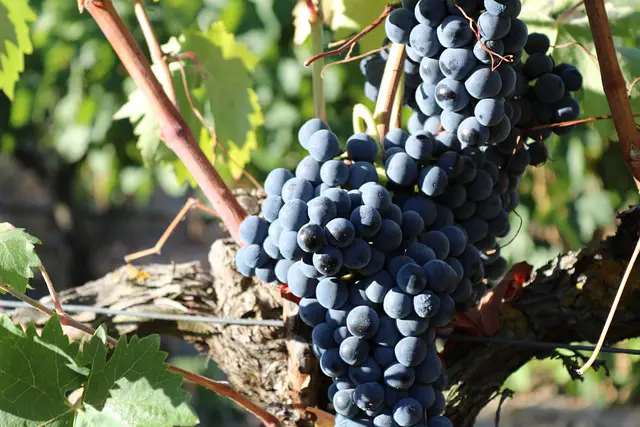
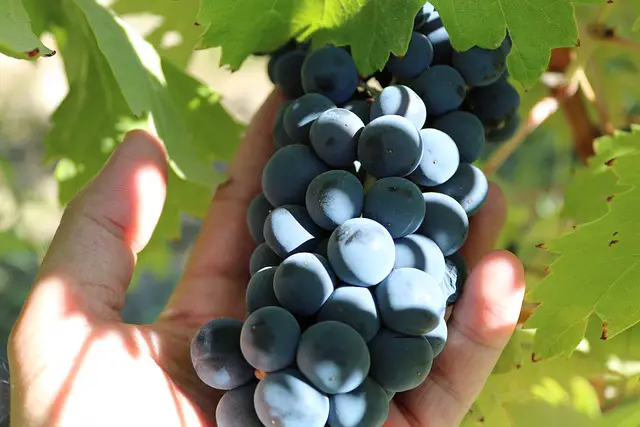
Syrah red wine is a celebrated noble, full-bodied red grape variety originating in France’s Northern Rhône Valley, renowned for its opaque ruby-purple color, firm structural tannins, and signature aromatic profile of ripe blackberry, blueberry, crushed black peppercorn (rotundone), smoked meat, and black olive tapenade. Genetically identical to Australian Shiraz, Syrah delivers profound stylistic divergence across cool-climate granite hillsides and warm-climate sun-drenched valleys.
Among the world’s premier noble red grapes, few varietals command the reverence, versatility, and sensory complexity of Syrah red wine. From the precipitous, hand-terraced granite slopes of Hermitage and Côte-Rôtie in France to the ancient ironstone soils of South Australia’s Barossa Valley and the sun-kissed river benches of Washington State and California, Syrah acts as a transparent lens for regional terroir. Whether produced as a savory, peppery, age-worthy French masterpiece or as an opulent, fruit-forward New World blockbuster, Syrah consistently ranks among the most captivating red wines on Earth.
Obsah
- Origins and Genetic Lineage: The Northern Rhône Heritage
- Syrah vs. Shiraz: Understanding the Dual Personality
- Primary Flavor Descriptors and The Science of Rotundone
- Global Terroir Comparison Matrix for Syrah / Shiraz
- Viticulture and Vinification: Inside the Cellar
- Culinary Pairings: What to Serve with Syrah
- Frequently Asked Questions (FAQ)
Origins and Genetic Lineage: The Northern Rhône Heritage
For centuries, romantic folklore suggested that Syrah originated in the Persian city of Shiraz or was carried home by medieval crusaders returning from Syracuse in Sicily. However, groundbreaking DNA parentage analysis conducted by researchers at UC Davis and INRA Montpellier in 1998 conclusively proved that Syrah is indigenous to southeastern France.
The grape is the natural offspring of two obscure regional French varieties: Dureza, an ancient dark-skinned grape from the Ardèche, and Mondeuse Blanche, a white variety native to Savoie. Born where the Alpine foothills meet the Rhône corridor, Syrah evolved to thrive on steep, well-draining granitic and schist hillsides battered by the fierce northern Mistral winds.
Syrah vs. Shiraz: Understanding the Dual Personality
One of the most frequent points of confusion among wine lovers is the distinction between Syrah and Shiraz. Genetically, they are 100% identical. However, winemakers deliberately choose one name over the other on the label to communicate the wine’s intended aesthetic and sensory style:
1. The Old-World “Syrah” Paradigm
Winemakers who label their wine as Syrah typically align with the European, cool-climate Northern Rhône tradition. These wines emphasize:
- Elevated natural acidity and moderate alcohol (typically 12.5% to 13.5% ABV).
- Savory, non-fruit aromatics dominated by cracked black pepper, smoked bacon fat, graphite, cured olives, and dried violets.
- Firm, linear tannins that reward extended cellar aging (10 to 30+ years).
- Aging in large, neutral French oak demi-muids rather than heavily toasted new barriques.
2. The New-World “Shiraz” Paradigm
Popularized by Australian vintners in the Barossa and McLaren Vale, wines labeled Shiraz celebrate ripe, warm-climate luxury:
- Generous, full-throttle alcohol (often 14.5% to 15.5% ABV) and plush, velvety mouthfeel.
- Opulent fruit concentration featuring blackberry jam, blueberry liqueur, dark chocolate mocha, and eucalyptus mint.
- Softer, rounded tannins framed by sweet, spicy American oak vanillin and toasted coconut notes.
Primary Flavor Descriptors and The Science of Rotundone
What gives Syrah its unmistakable signature aroma of freshly cracked black pepper? The answer lies in an organic chemical compound called rotundone, a sesquiterpene located within grape skins.
Rotundone is exceptionally potent; the human olfactory system can detect it at concentrations as minute as 16 nanograms per liter. Cool vintage temperatures and moderate UV exposure maximize rotundone development. In cooler climates, Syrah bristles with cracked black peppercorn, white pepper, rosemary, and thyme. In warmer climates where rotundone degrades under intense heat, the flavor matrix shifts toward black plum, dark chocolate, leather, licorice, and espresso beans.
Global Terroir Comparison Matrix for Syrah / Shiraz
Review the comprehensive comparison matrix below detailing the world’s most acclaimed Syrah production zones:
| Region / Appellation | Climate & Dominant Soil | Signature Aromatic Profile | Tannin Structure & Body | Cellar Potential |
|---|---|---|---|---|
| Northern Rhône (Hermitage / Côte-Rôtie) | Cool-moderate continental; steep granite terraces | Black pepper, smoked meat, violets, graphite, olive | High acidity, firm structured tannins; medium-full body | 15–35+ Years |
| Barossa Valley (South Australia) | Warm Mediterranean; ancient ironstone red clay | Blackberry jam, dark chocolate, eucalyptus, mocha | Full-bodied, opulent, supple velvety tannins | 10–25+ Years |
| Walla Walla Valley (Washington State) | Arid continental; basalt gravel & loess | Blueberry, smoked sea salt, savory bacon, sage | Polished, balanced acidity, ripe fine-grained tannins | 10–20 Years |
| Paso Robles (California Central Coast) | Warm Mediterranean with maritime fog; calcareous limestone | Ripe dark cherry, cocoa powder, sweet tobacco, vanilla | Lush, full-bodied, plush broad tannins | 7–15 Years |
| Hawke’s Bay (Gimlett Gravels, New Zealand) | Temperate maritime; deep greywacke gravel beds | Fresh plum, white pepper, floral lavender, cedar | Vibrant acidity, linear, elegant, mineral-driven | 10–18 Years |
Viticulture and Vinification: Inside the Cellar
Crafting great Syrah requires rigorous viticultural management and deliberate winemaking choices:
1. Canopy Management and Yield Control
Syrah is a vigorous vine that tends to produce heavy yields if left unchecked. High-yield Syrah quickly turns thin, green, and watery. Elite producers severely restrict yields through short cane pruning, green harvesting in July, and managing water deficits to ensure small, concentrated berries with maximum skin-to-juice ratios.
2. Whole-Cluster Fermentation and Stems
Many traditional Northern Rhône winemakers include a percentage of whole grape clusters (including stems) in the fermentation vat. Stems absorb a small amount of color and alcohol while adding structural freshness, herbal complexity, and peppery lift, moderating fermentation temperatures naturally.
3. Co-Fermentation with Viognier (The Côte-Rôtie Secret)
In the Northern Rhône appellation of Côte-Rôtie, AOC regulations permit winemakers to co-ferment up to 20% of the white grape Viognier alongside Syrah (most use 3% to 8%). Through a biochemical phenomenon known as co-pigmentation, the white grape’s flavonols bind with Syrah’s anthocyanins, stabilizing the deep red color and preventing oxidation, while imparting intoxicating floral aromas of apricot, honeysuckle, and jasmine to the nose.
Culinary Pairings: What to Serve with Syrah
Because Syrah occupies the savory, peppery end of the red wine spectrum, it is one of the most magnificent culinary pairing wines in global gastronomy:
- Northern Rhône Style (Cool-Climate Syrah): Ideal with roasted rack of lamb crusted in rosemary and garlic, slow-braised venison shank, roast duck breast with peppercorn reduction, or wild mushroom risotto.
- Australian Shiraz & Bold California Syrah: Perfect for American barbecue classics—smoked beef brisket, char-grilled ribeye steak, spicy barbecue pork ribs, and aged cheddar or Gouda.
- Vegetarian Options: Pair with grilled portobello mushroom burgers, roasted eggplant moussaka with savory herbs, or lentil stews seasoned with cumin and black pepper.
Frequently Asked Questions (FAQ)
Is Syrah a sweet or dry red wine?
Syrah is almost universally produced as a dry table wine with less than 2 to 4 grams per liter of residual sugar. However, warm-climate examples like Australian Shiraz can taste deceptively sweet on the finish due to high natural fruit ripeness, high alcohol, and vanilla oak aging.
How long should Syrah red wine breathe before drinking?
Young, concentrated Syrah benefits immensely from 45 to 90 minutes of decanting in a wide-base decanter to allow aggressive tannins to soften and reveal complex floral and peppery aromatics. Mature vintage bottles (10+ years) should be decanted gently just prior to serving to separate sediment.
What temperature should Syrah be served at?
Syrah is best served at 60°F to 65°F (16°C to 18°C). Serving it at warm room temperature (above 70°F) causes the alcohol to overpower the delicate aromas, while serving it too cold accentuates harsh bitterness in the tannins.
What glass should you use for Syrah?
Use a designated Syrah / Shiraz glass or a large Bordeaux-style red wine glass. The generous egg-shaped bowl provides ample surface area for aeration, directing peppery aromatics smoothly toward the nose while guiding the wine to the mid-palate.
Get our latest guides, news, and insights highlighted in your Google Search & AI Overviews.