Champagne is the world’s premier sparkling wine appellation, produced exclusively within the delimited Champagne region of France utilizing the Méthode Champenoise (traditional secondary bottle fermentation) to yield unmatched effervescence, brioche complexity, and chalky minerality.

Foundational Pillars (Start Here)

Sensory Profile

What Does Champagne Taste Like? Exploring the Flavors of Champagne

A comprehensive sommelier exploration of autolytic brioche notes, green apple crispness, and chalky mineral acidity in Brut Champagne.

Fermentation Science

Does Champagne Have Yeast? Exploring the Fermentation Process

Understand the role of Saccharomyces cerevisiae yeasts during prise de mousse secondary fermentation and subsequent lees contact.

Cellar & Storage

Will Champagne Explode in Freezer? Busting the Myth

Critical safety and thermodynamics of Champagne storage, including why extreme freezing causes catastrophic glass expansion.

The Oenological Architecture of Champagne: Terroir, Assemblage & Autolysis

Authentic Champagne owes its global preeminence to a unique northern continental climate and deep Cretaceous limestone and belemnite chalk soils. These geological formations provide natural sub-surface water retention while forcing the primary noble grape varieties—Chardonnay, Pinot Noir, and Pinot Meunier—to ripen slowly, retaining the high natural acidity essential for sparkling wine longevity. The base wines (vins clairs) are blended through meticulous assemblage, combining disparate crus and reserve vintages to preserve house style year after year.

Secondary fermentation in bottle (la prise de mousse) creates the delicate 5 to 6 atmospheres of carbon dioxide pressure. Following fermentation, prolonged aging on dead yeast cells (sur lie) triggers enzymatic autolysis, releasing mannoproteins and amino acids that impart the signature sensory notes of toasted brioche, biscuit, hazelnut, and creamy mouthfeel. Non-vintage cuvées require a statutory minimum of 15 months aging (12 on lees), while prestigious vintage bottlings mature for three years to well over a decade before disgorgement and dosage.

Champagne Classification, Dosage & Stylistic Profile

Champagne CategoryGrape CompositionDosage Sugar (g/L)Aromatic & Palate Profile
Brut Nature (Zero Dosage)Chardonnay / Pinot Noir / Meunier< 3 g/L (No added sugar)Bone dry, laser-like chalk minerality, citrus peel
Extra BrutChardonnay / Pinot Noir / Meunier0–6 g/LCrisp green apple, white floral, saline finish
Brut (Classic Standard)Traditional 3-grape blend6–12 g/LToasted brioche, baked pear, creamy balance
Blanc de Blancs100% Chardonnay0–9 g/LWhite chalk, Meyer lemon, delicate hazelnut
Blanc de Noirs100% Pinot Noir / Meunier0–9 g/LRed berries, dried currant, rich structural breadth

Topic Directory & Expert Guides

Frequently Asked Questions

What is the difference between Champagne and sparkling wine?

Champagne is legally restricted to sparkling wines produced in the Champagne AOC of France using traditional bottle fermentation. Sparkling wines from other regions bear distinct designations like Prosecco, Cava, or Crémant.

What temperature should Champagne be served at?

Serve non-vintage Champagne chilled to 45°F–48°F (7°C–9°C). Prestigious vintage Champagnes show greater aromatic complexity when served slightly warmer, around 50°F–54°F (10°C–12°C).

Does Champagne expire or go bad?

Unopened non-vintage Champagne retains optimal freshness for 3 to 4 years from disgorgement, while prestige vintage bottlings can cellar gracefully for 10 to 20+ years when stored at a steady 55°F with 70% humidity.

How to Do Champagne Spray: Celebrating with Bubbly

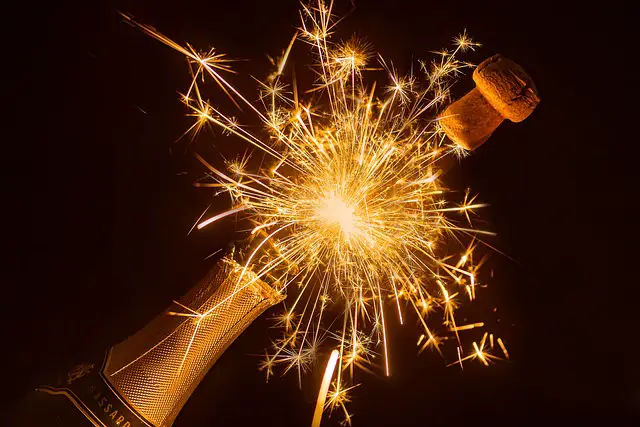
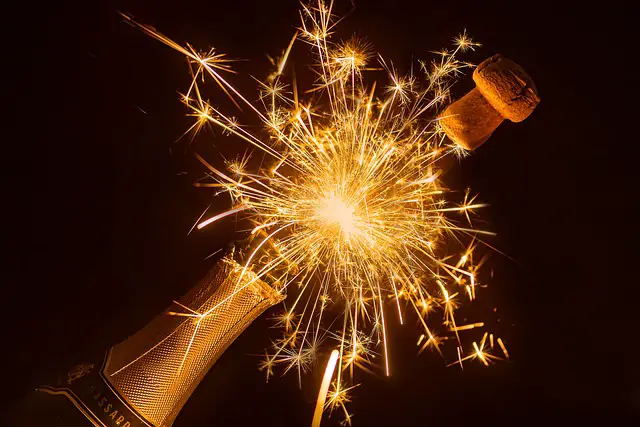
Champagne spray has become a popular tradition at celebrations, but it's important to do it right. First, choose a bottle with enough pressure to create a spectacular spray. Chill it properly, aim at a 45-degree angle, and remove the wire cage. Hold the cork firmly and rotate the bottle, letting the cork pop gently. Practice with water first to avoid any mishaps. Remember, safety should always come first when enjoying this festive and fun tradition. Cheers!

0 Comments

How to Get from Paris to Champagne: Exploring Travel Routes

If you're planning to visit Champagne from Paris, there are several travel routes to consider. The easiest and quickest way is by train, with a direct journey from Paris to Reims or Epernay. Alternatively, you can also rent a car and enjoy a scenic drive through the picturesque French countryside. Whichever option you choose, be prepared to indulge in the sparkling wonders of Champagne upon arrival.

0 Comments

How to Open Mini Bottle of Champagne with Plastic Top: Handy Tips

Opening a mini bottle of champagne with a plastic top may seem tricky, but it's easier than you think! Begin by removing the foil and holding the base firmly. Twist the plastic top counterclockwise until it pops off. Alternatively, use a bottle opener to lift the plastic top gently. Remember to handle it carefully to avoid spillage. Celebrate your success with a perfect toast! Cheers!

0 Comments

Why Don’t You Bring the Champagne in Spanish? Language Insights

Title: "Why Don't You Bring the Champagne in Spanish? Language Insights"Excerpt:Did you ever wonder why the phrase "bringing the champagne" doesn't translate directly in Spanish? Language nuances play a significant role here. Understanding the cultural and linguistic differences sheds light on how idiomatic expressions vary across languages. While English has its own unique phrases, Spanish employs alternative idioms to convey similar concepts. Let's explore these language insights further to appreciate the beauty of diverse expressions across cultures.

0 Comments

How Much Is Champagne at Costco? Cost-Saving Tips for Champagne Lovers

Are you a champagne lover on a budget? Look no further than Costco! Offering a wide selection of champagnes at competitive prices, Costco is a go-to destination for cost-conscious shoppers. From Moët & Chandon to Veuve Clicquot, find out how much champagne costs at Costco and uncover some savvy cost-saving tips for fellow champagne enthusiasts. Cheers to finding great bubbly at affordable prices!

0 Comments

How to Put Cork Back in Champagne Bottle: Re-Sealing Techniques

When it comes to re-sealing a champagne bottle, there are a few techniques you can use to put the cork back in securely. First, make sure the bottle is at room temperature to prevent any complications. Gently push the cork back into the bottle, applying even pressure and using a twisting motion if necessary. If the cork won't go in, consider using a rubber mallet to gently tap it into place. Remember to store the bottle upright to maintain the carbonation. By following these simple steps, you can effortlessly re-seal your champagne bottle and enjoy it for longer.

0 Comments

What Colours Go with Champagne Dress? Stylish Wedding Palettes

Choosing the right palette for a champagne dress can be a daunting task. However, there are several colors that go perfectly with this elegant choice. Soft pastels like blush pink, lavender, and mint green add a dreamy touch, while bolder options such as burgundy or navy create a more dramatic contrast. Metallics like gold or silver also complement champagne beautifully. Ultimately, it's essential to consider the overall theme and personal taste when creating a stylish wedding palette.

0 Comments

How Many Glasses of Champagne in a 1.5 Liter Bottle? Estimating Servings

When it comes to estimating servings of champagne from a 1.5-liter bottle, there is a general rule of thumb. Assuming each glass contains about 150ml, you can expect to pour around 10 glasses from a standard-sized bottle. However, factors like pour size and type of glassware can impact the final count. It's always wise to plan accordingly if you have a specific number of servings in mind. Cheers to celebrating with the perfect amount of bubbly!

0 Comments

How to Get to Champagne France: Travel Guide to the Region

The Champagne region of France is a must-visit destination for wine enthusiasts. Getting there is a breeze, with multiple transportation options available. Whether you prefer to fly, take a train or drive, we've got you covered. In this travel guide, we will discuss the various methods of transportation to help you plan your journey to Champagne. Let's dive in!

0 Comments

Does Champagne Stain? Tips for Handling Champagne Stains

Champagne, the embodiment of celebration, elegance, and indulgence, has a unique tendency to leave behind stubborn stains that can ruin even the most fabulous soirées. But fear not, for we have your back! In this guide, we'll explore proven tips for handling Champagne stains with ease and finesse. From white tablecloth disasters to clothing mishaps, you'll learn how to tackle these stains without breaking a sweat. So, keep calm and get ready to sip, spill, and conquer those Champagne stains like a pro!

0 Comments

Is Freixenet Champagne Good? Reviewing Spanish Sparkling Wine

Freixenet, renowned for its Spanish Cava, consistently delivers high-quality sparkling wines. While not Champagne, its rich flavors, delicate bubbles, and refined craftsmanship make it a worthy competitor. From their classic Brut to the fruity Rosé, Freixenet offers a range of options for every palate. Whether for celebrations or casual sipping, Freixenet is an excellent choice for those who appreciate fine sparkling wine.

0 Comments

Is Taittinger a Good Champagne? Evaluating Champagne Quality

Taittinger, a renowned Champagne producer, has captivated drinkers worldwide. But is it truly a good Champagne? Evaluating its quality reveals its excellence. With a rich history, meticulous winemaking techniques, and exceptional flavor profiles, Taittinger stands as a symbol of quality in the world of Champagne. Whether you prefer their vintage, non-vintage, or rosé, Taittinger's impressive range caters to all palates. So, the next time you're searching for a top-notch Champagne, don't shy away from Taittinger.

0 Comments

What Is a Good Champagne for a Gift? Gifting Bubbly with Style

When it comes to selecting a good champagne as a gift, there are a few key factors to consider. Opt for a reputable brand that is well-known for producing high-quality bubbles. Look for non-vintage champagnes if you're unsure of the recipient's taste, as they offer consistent quality. If you're after something more unique, a vintage champagne from an exceptional year is a great choice. Don't forget to also consider the style preference of the recipient - whether they prefer something dry and crisp, or fruity and sweet. Finally, remember to present the bottle with elegance, as the packaging can make a lasting impression. Cheers to gifting sparkling joy!

0 Comments

Where Can I Get Champagne Glasses Engraved? Personalized Glassware

If you are looking to add a personal touch to your champagne glasses, getting them engraved is a fantastic option. Several places offer this service, including specialty stores, online retailers, and even local engraving shops. Whether it's for a special occasion or as a gift, personalized glassware adds a unique charm to any event or celebration. Explore the various options available and find the perfect place to get your champagne glasses engraved today.

0 Comments

What Color Is Champagne Gold? Unveiling the Glamorous Hue

Champagne gold is a mesmerizing hue that effortlessly exudes elegance and sophistication. This color, reminiscent of the effervescent drink itself, is a soft and luminous blend of beige and pale golden tones. It adds a touch of luxury to any setting or ensemble, making it the perfect choice for those seeking a glamorous and refined aesthetic. Its understated yet captivating nature sets it apart, leaving a lasting impression of timeless beauty. Unveiling the secrets behind champagne gold allows us to appreciate its allure, as we unlock the door to a world of enchantment and luxury.

0 Comments