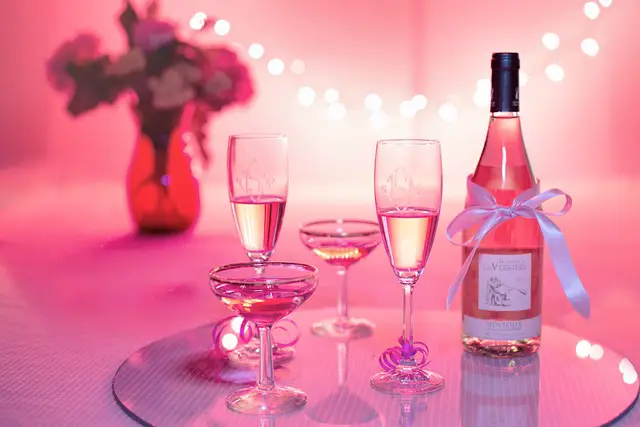
Champagne is the world’s premier sparkling wine appellation, produced exclusively within the delimited Champagne region of France utilizing the Méthode Champenoise (traditional secondary bottle fermentation) to yield unmatched effervescence, brioche complexity, and chalky minerality.

Foundational Pillars (Start Here)

Sensory Profile

What Does Champagne Taste Like? Exploring the Flavors of Champagne

A comprehensive sommelier exploration of autolytic brioche notes, green apple crispness, and chalky mineral acidity in Brut Champagne.

Fermentation Science

Does Champagne Have Yeast? Exploring the Fermentation Process

Understand the role of Saccharomyces cerevisiae yeasts during prise de mousse secondary fermentation and subsequent lees contact.

Cellar & Storage

Will Champagne Explode in Freezer? Busting the Myth

Critical safety and thermodynamics of Champagne storage, including why extreme freezing causes catastrophic glass expansion.

The Oenological Architecture of Champagne: Terroir, Assemblage & Autolysis

Authentic Champagne owes its global preeminence to a unique northern continental climate and deep Cretaceous limestone and belemnite chalk soils. These geological formations provide natural sub-surface water retention while forcing the primary noble grape varieties—Chardonnay, Pinot Noir, and Pinot Meunier—to ripen slowly, retaining the high natural acidity essential for sparkling wine longevity. The base wines (vins clairs) are blended through meticulous assemblage, combining disparate crus and reserve vintages to preserve house style year after year.

Secondary fermentation in bottle (la prise de mousse) creates the delicate 5 to 6 atmospheres of carbon dioxide pressure. Following fermentation, prolonged aging on dead yeast cells (sur lie) triggers enzymatic autolysis, releasing mannoproteins and amino acids that impart the signature sensory notes of toasted brioche, biscuit, hazelnut, and creamy mouthfeel. Non-vintage cuvées require a statutory minimum of 15 months aging (12 on lees), while prestigious vintage bottlings mature for three years to well over a decade before disgorgement and dosage.

Champagne Classification, Dosage & Stylistic Profile

Champagne CategoryGrape CompositionDosage Sugar (g/L)Aromatic & Palate Profile
Brut Nature (Zero Dosage)Chardonnay / Pinot Noir / Meunier< 3 g/L (No added sugar)Bone dry, laser-like chalk minerality, citrus peel
Extra BrutChardonnay / Pinot Noir / Meunier0–6 g/LCrisp green apple, white floral, saline finish
Brut (Classic Standard)Traditional 3-grape blend6–12 g/LToasted brioche, baked pear, creamy balance
Blanc de Blancs100% Chardonnay0–9 g/LWhite chalk, Meyer lemon, delicate hazelnut
Blanc de Noirs100% Pinot Noir / Meunier0–9 g/LRed berries, dried currant, rich structural breadth

Topic Directory & Expert Guides

Frequently Asked Questions

What is the difference between Champagne and sparkling wine?

Champagne is legally restricted to sparkling wines produced in the Champagne AOC of France using traditional bottle fermentation. Sparkling wines from other regions bear distinct designations like Prosecco, Cava, or Crémant.

What temperature should Champagne be served at?

Serve non-vintage Champagne chilled to 45°F–48°F (7°C–9°C). Prestigious vintage Champagnes show greater aromatic complexity when served slightly warmer, around 50°F–54°F (10°C–12°C).

Does Champagne expire or go bad?

Unopened non-vintage Champagne retains optimal freshness for 3 to 4 years from disgorgement, while prestige vintage bottlings can cellar gracefully for 10 to 20+ years when stored at a steady 55°F with 70% humidity.

What Temperature Does Champagne Freeze? Cold Facts About Champagne

What Temperature Does Champagne Freeze? Cold Facts About ChampagneChampagne is a delightful drink usually associated with celebrations and merriment. But have you ever wondered at what temperature champagne freezes? Champagne typically freezes at around -15 to -20 degrees Celsius or 5 to -4 degrees Fahrenheit. Due to its alcohol content and carbonation, champagne has a lower freezing point than water. However, it is worth noting that the freezing point can vary slightly depending on the specific champagne brand and its alcohol content. So, next time you're planning to chill your champagne, make sure to keep it above freezing point!

0 Comments