As the leaves turn vibrant shades of red and gold, and the air takes on a crisp, autumnal feel, it’s time to embrace the bountiful harvests of the season. Amongst the plethora of fruits that are ripening on trees, one stands out for its vibrant orange hue and unique flavor: the persimmon. But have you ever considered transforming these luscious fruits into a delicious, homemade wine? Crafting persimmon wine allows you to capture the essence of autumn in a bottle, savoring the flavors and aromas of this delightful season. In this article, we will guide you through the process of making persimmon wine, enabling you to embark on this journey of taste and exploration right in the comfort of your own home. So, roll up your sleeves, grab a glass, and let’s dive into the art of crafting persimmon wine.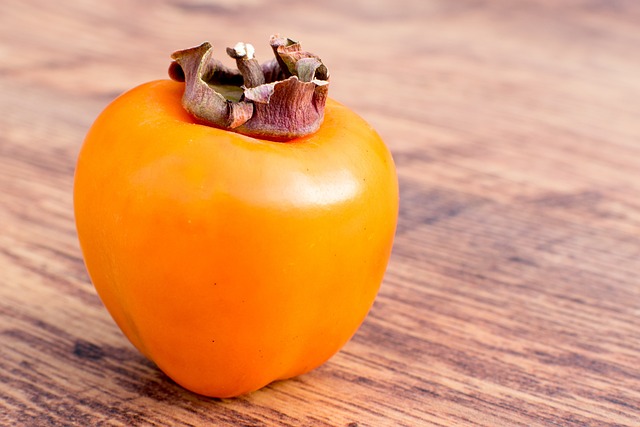
Obsah
- Planning Your Persimmon Wine-Making Adventure: A Step-by-Step Guide
- Gathering the Ingredients
- Preparing the Persimmons
- Understanding the Unique Flavor Profile of Persimmons: Choosing the Perfect Variety
- Preparing the Harvest: Harvesting, Cleaning, and Sorting the Best Persimmons
- The Art of Fermentation: Detailed Instructions for Fermenting Persimmons
- Enhancing the Flavor: Adding Seasonal Spices and Fruit Combinations
- Monitoring the Fermentation Process: Tips for Assessing Alcohol Content and Achieving Optimal Taste
- Bottling and Aging: Proper Techniques for Storing and Aging Persimmon Wine
- Savoring the Fruits of Your Labor: Tips for Serving and Pairing Persimmon Wine
Planning Your Persimmon Wine-Making Adventure: A Step-by-Step Guide
So, you’ve decided to embark on a persimmon wine-making adventure! Congratulations! Get ready to dive into a delightful journey that will transform those vibrant orange fruits into a heavenly libation. In this step-by-step guide, we’ll walk you through the process of making your own persimmon wine, providing you with expert tips and tricks along the way.
Gathering the Ingredients
First things first, let’s gather all the necessary ingredients for your persimmon wine. Here’s what you’ll need:
- Fresh persimmons – Choose fully ripened, plump persimmons for the best flavor.
- Granulated sugar – This will be the key ingredient to kickstart the fermentation process.
- Purified water - Make sure your water is free from impurities to ensure a clean and crisp wine.
- Wine yeast – This is essential for converting the sugars in the persimmons into alcohol.
- Yeast nutrient – Though optional, using a yeast nutrient will provide a healthier fermentation and enhance the overall quality of the wine.
Preparing the Persimmons
Once you’ve gathered all the ingredients, it’s time to prepare the persimmons for the magical transformation. Follow these steps:
- Wash the persimmons thoroughly and remove any stems or leaves.
- Peel the persimmons using a sharp knife or peeler, ensuring all the skin is removed.
- Remove the seeds from the persimmons and discard them.
- Chop the persimmons into small, uniform pieces to increase the surface area and maximize flavor extraction.

Understanding the Unique Flavor Profile of Persimmons: Choosing the Perfect Variety
When it comes to persimmons, their flavor profile presents a delightful assortment of tastes that will surely tantalize your taste buds. Each variety of persimmon boasts a distinct flavor and texture, making it essential to choose the perfect one for your culinary adventures. To help you navigate through the myriad of options, here’s a breakdown of some popular persimmon varieties and their unique characteristics:
- Fuyu Persimmons: Known for their vibrant orange hue and crisp texture, Fuyu persimmons offer a delicate balance of sweetness and tanginess. Their flavor is often likened to a blend of apricot, honey, and subtle hints of spice. Whether eaten fresh or incorporated into various dishes, Fuyu persimmons lend a refreshing taste that excites the palate.
- Hachiya Persimmons: Unlike their Fuyu counterparts, Hachiya persimmons are best enjoyed when fully ripe and soft. These heart-shaped fruits boast a rich, honey-like sweetness paired with a slightly syrupy texture. Their flavor can be described as a delightful blend of tropical notes, hints of cinnamon, and a subtle floral undertone. Perfect for baking or creating delectable persimmon pudding, these varieties add a luscious and complex element to your culinary creations.
- Chocolate Persimmons: This unique variety, also known as Black Persimmon or Sharon Fruit, surprises with its striking dark brown skin and enchanting marbled interior. Their taste is reminiscent of a mix between dark chocolate and dates, offering a luxurious sweetness with a creamy texture. Whether indulged in raw, used as an elegant dessert garnish, or transformed into an indulgent smoothie, chocolate persimmons provide a truly decadent experience.
By understanding the distinct flavor profiles of different persimmon varieties, you can now confidently select the perfect fruit to elevate your culinary creations. Whether you crave a crisp and tangy note, a velvety sweetness, or a decadent twist, persimmons cater to a range of tastes and culinary adventures. So, embark on this delightful journey of flavors and experiment with the unique characteristics of each persimmon variety!
Preparing the Harvest: Harvesting, Cleaning, and Sorting the Best Persimmons
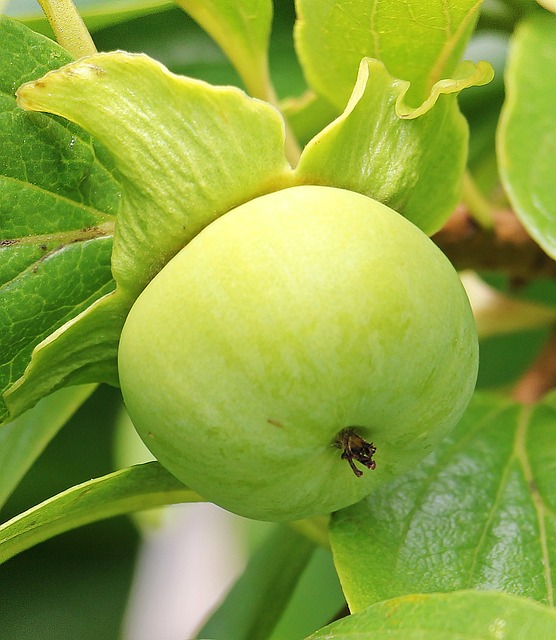
Once the persimmon trees have produced a bountiful harvest, it is crucial to handle the fruit with care to ensure the best possible outcome. Proper harvesting, cleaning, and sorting techniques are essential in preserving the quality and taste of persimmons. Here are some steps to follow to maximize the potential of your persimmon harvest:
- Harvesting: Harvest ripe persimmons by gently twisting the fruit from the stem. Avoid pulling forcefully, as this may damage both the fruit and the tree. Ripe persimmons should be firm but slightly soft to the touch and have vibrant color.
- Cleaning: Before proceeding with sorting, it is important to clean the harvested persimmons. Gently wash each fruit under cool running water to remove any dirt or debris. Pat them dry with a clean cloth to prevent moisture-related issues.
- Sorting: To ensure only the finest persimmons make it to your table or market, a meticulous sorting process is essential. Discard any damaged or bruised fruit as they might affect the quality of the lot. Sort the persimmons based on size, color, and ripeness level to meet the requirements of your desired market.
By following these steps, you can guarantee that your harvested persimmons retain their natural appeal and deliciousness. Remember, a little extra effort during the preparation process goes a long way in maintaining the exceptional quality of these remarkable fruits.
The Art of Fermentation: Detailed Instructions for Fermenting Persimmons
Fermenting persimmons is a culinary adventure that allows you to unlock a world of flavors and textures. Whether you’re a seasoned fermenter or a curious beginner, this guide will provide you with detailed instructions to help you embark on this fermentation journey. Prepare to indulge in the sweet, tangy, and complex taste that fermented persimmons bring to your palate.
Equipment:
- Glass or ceramic jar with an airtight lid
- Filtered water: chlorine-free
- Non-iodized salt: sea salt or pickling salt
- Fresh and ripe persimmons
- Optional: spices such as cinnamon stick, cloves, or star anise
Step 1: Choose the Perfect Persimmons
Select ripe persimmons that are slightly soft to the touch but not mushy. Fuyu persimmons are ideal for fermentation due to their firm texture. Ensure they are free of blemishes or mold, as these can affect the fermentation process.
Step 2: Prep and Prepare
Wash and sterilize your jar thoroughly to eliminate unwanted bacteria. Remove the stems from the persimmons and cut them into small slices or wedges. For added flavor, consider incorporating spices like a cinnamon stick or a few cloves into the mix.
For the full article with detailed instructions, please visit our website and explore the art of fermentation in-depth!
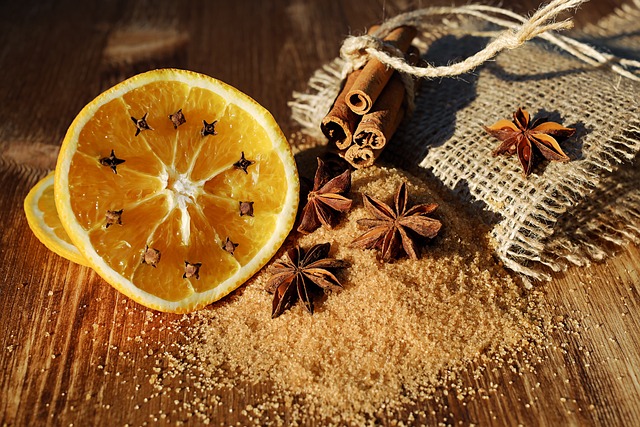
Enhancing the Flavor: Adding Seasonal Spices and Fruit Combinations
Spices and fruits can truly transform a dish, enhancing its flavor and adding a burst of seasonal goodness. By incorporating the right combinations, you can create a delightful symphony of tastes that will wow your taste buds and impress your guests. Here are some unique ideas to inspire you:
- Cinnamon and Apple: This classic duo brings warmth and sweetness to countless recipes. Add a sprinkle of cinnamon to your apple pie filling or mix it with sliced apples before baking them for a heavenly dessert. You can also infuse cinnamon into apple cider for a comforting autumnal drink.
- Ginger and Pear: The zingy flavor of ginger perfectly complements the delicate sweetness of pears. Try sautéing sliced pears with a touch of grated ginger for a delightful side dish. For a refreshing twist, blend ginger with freshly squeezed pear juice to make a vibrant and revitalizing smoothie.
- Nutmeg and Pumpkin: Nothing says “fall” like the aroma of nutmeg and pumpkin. Sprinkle some nutmeg into your pumpkin soup or pumpkin spice latte to create a rich and aromatic flavor profile. You can also incorporate nutmeg into your pumpkin bread recipe to add that extra hint of warmth.
Remember, with seasonal spices and fruits, the possibilities are endless. So go ahead and step out of your culinary comfort zone by experimenting with unique combinations. Your taste buds will thank you!
Monitoring the Fermentation Process: Tips for Assessing Alcohol Content and Achieving Optimal Taste
As any home brewer knows, monitoring the fermentation process is crucial to ensuring a successful batch of beer or wine. Not only does it give you valuable insight into the alcohol content of your brew, but it also allows you to fine-tune the flavors and achieve that perfect taste. Here are some expert tips to help you navigate the monitoring process like a pro:
- Use a hydrometer: A hydrometer is an indispensable tool for monitoring the progress of fermentation. By measuring the specific gravity of your brew before and after fermentation, you can determine the alcohol content. Make sure to follow the instructions on how to use it correctly.
- Take regular gravity readings: To monitor the fermentation process effectively, take gravity readings at least once a day. This will give you an idea of how your brew is progressing and when it is reaching its desired alcohol content. Note any significant changes in the readings and make adjustments if necessary.
- Trust your senses: While measurements are essential, don’t forget to rely on your senses too. Taste your brew throughout the fermentation process to assess the flavors and aroma. This will help you make adjustments, such as adding fruits or spices, to achieve the desired taste profile.
- Keep track of temperature: Fermentation temperature plays a crucial role in determining the flavor and alcohol content of your brew. Use a thermometer to monitor the temperature and ensure it stays within the recommended range for the yeast you’re using. Adjusting the temperature can have a significant impact on the final result.
By following these tips and closely monitoring the fermentation process, you’ll be well on your way to brewing a delicious, well-balanced beverage with just the right amount of alcohol. Enjoy the journey and experiment with different techniques to find your perfect brew!
Bottling and Aging: Proper Techniques for Storing and Aging Persimmon Wine
Once your persimmon wine has completed fermentation and is ready to be enjoyed, it is important to properly bottle and age it to enhance its flavors and aromas. Follow these steps below to ensure that your persimmon wine matures gracefully and reaches its full potential:
1. Sanitize your bottles and equipment: Before bottling, ensure that all your bottles, corks, and equipment are thoroughly cleaned and sanitized. This step eliminates any potential contaminants that could negatively impact the quality of your wine.
2. Siphon and fill bottles: Using a siphoning tube, carefully transfer your persimmon wine from the fermentation vessel to the bottles, avoiding any sediment that may have settled. Leave about an inch of headspace in each bottle to allow for proper aging.
3. Corking and storing: Once your bottles are filled, securely cork them, ensuring a proper seal. Store the bottles horizontally in a cool, dark place with a consistent temperature between 55°F and 60°F. Avoid exposing the wine to excessive light or temperature fluctuations, as these can negatively affect its taste and aging process.
4. Age with patience: Persimmon wine typically benefits from aging for at least 6 to 12 months to allow the flavors to mellow and develop complexity. However, some winemakers prefer longer aging periods of 2 to 3 years for even more refined results. Patience is key when it comes to enjoying a truly exceptional persimmon wine.
Follow these techniques for bottling and aging your persimmon wine, and you’ll be rewarded with a beautifully matured wine that showcases the unique flavors and qualities of persimmons.
Savoring the Fruits of Your Labor: Tips for Serving and Pairing Persimmon Wine
When it comes to enjoying persimmon wine, serving and pairing it correctly can greatly enhance your tasting experience. Here are some expert tips to help you make the most of this exquisite beverage:
Serving Persimmon Wine:
- Temperature Matters: Serve persimmon wine chilled, but not overly cold. A temperature range of 45-55°F (7-13°C) allows the unique flavors and aromas to shine.
- Goblets, Not Regular Wine Glasses: Opt for goblets or tulip-shaped glasses instead of traditional wine glasses. Their wider bowls allow the wine to breathe, releasing its full bouquet.
- Garnish with Fresh Fruits: For an elegant touch, garnish your persimmon wine glasses with thin slices of fresh persimmon or a sprig of mint. Not only does it look visually appealing, but it also complements the fruity notes.
Pairing Persimmon Wine:
- Soft and Creamy Cheeses: The delicate sweetness of persimmon wine pairs exceptionally well with soft and creamy cheeses like brie or camembert. The contrast between the wine’s flavors and the rich, buttery cheese creates a delectable combination.
- Spicy and Savory Dishes: Dare to experiment by pairing persimmon wine with spicy and savory dishes. Its subtle sweetness helps balance the spice while enhancing the flavors of meats like duck or game. Try a spicy Korean stew or a flavorful Moroccan tagine.
- Desserts with Citrus or Caramel: Persimmon wine harmonizes beautifully with desserts that feature citrusy or caramel flavors. Whether it’s a tangy lemon tart or a creamy caramel flan, the wine’s natural sweetness adds a delightful touch.
In conclusion, making persimmon wine is a delightful way to enjoy the abundance of autumn. With these simple steps, anyone can savor the unique flavors of this seasonal fruit in a homemade, delicious beverage. Cheers to autumn’s bounty!