Types of Wine is an overarching taxonomical classification framework organizing the global world of viticulture by grape varietals, vinification methodologies, color spectrums, sweetness levels, effervescence, and regional appellations.

Foundational Pillars (Start Here)

Master Red Guide

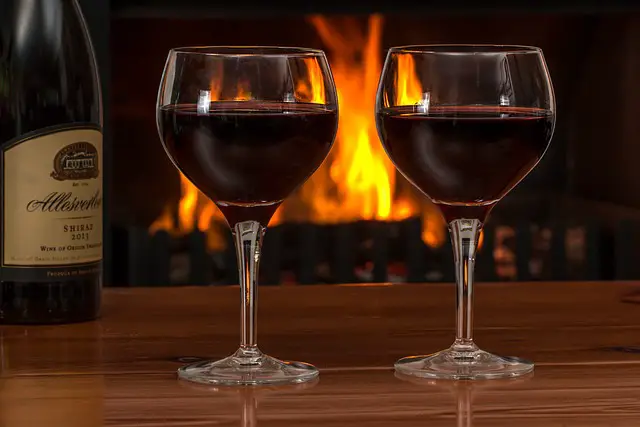
Syrah Red Wine: The Complete Guide to Flavors, Terroirs, and Global Styles

A foundational masterclass exploring major global red varietals, tannin structures, and regional terroir expressions.

Sparkling Taxonomy

Is Chardonnay Champagne or Wine? Navigating Wine Categories

Demystifying Champagne vs. still Chardonnay, sparkling vinification methods, and appellation legal boundaries.

Culinary Synergy

What Wine with Indian Food? Curating Indian Cuisine Pairings

Solving complex culinary challenges: pairing aromatic whites and fruit-forward reds with spiced Indian cuisines.

The Global Wine Taxonomy: Classifications, Vinification & Terroir

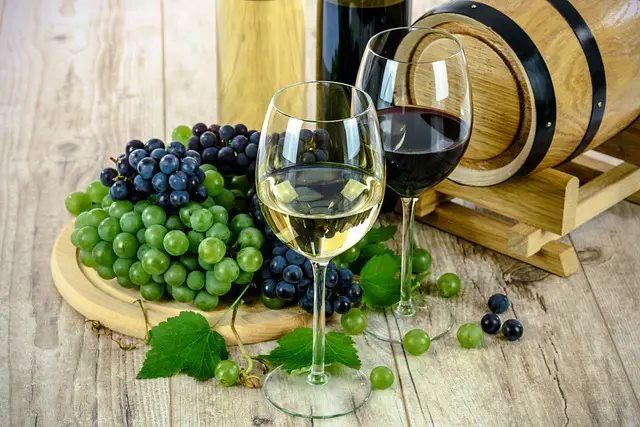
Navigating the immense world of wine requires an oenological framework dividing wines into five foundational categories: Red, White, Rosé, Sparkling, and Fortified/Dessert. Each category is defined by grape varietal genetics, skin maceration time, temperature-controlled fermentation protocols, and maturation vessels (stainless steel, concrete eggs, or oak barriques). In red wines, grape skins remain in contact with must throughout fermentation, extracting tannins, color pigments (anthocyanins), and resveratrol.

In white wines, grapes are pressed immediately to ferment clear juice, emphasizing vibrant acidity, floral terpenes, and crisp fruit. Sparkling wines incorporate secondary fermentation to trap effervescent carbon dioxide, while fortified wines (like Port, Sherry, and Madeira) arrest fermentation through the addition of high-proof grape spirits to preserve natural sugars and ensure extraordinary stability. Understanding these foundational axes allows any enthusiast to predict flavor, body, and pairing compatibility instantly.

Master Wine Classification & Structural Overview

Primary Wine TypeKey Vinification MethodTypical Alcohol (ABV)Benchmark Global Examples
Full-Bodied Red WineExtended skin maceration (2–4 weeks); oak aging13.5%–15.5%Cabernet Sauvignon, Syrah/Shiraz, Nebbiolo, Malbec
Light/Medium Red WineShort maceration; gentle extraction; neutral casks12.0%–13.5%Pinot Noir, Gamay (Beaujolais), Sangiovese, Grenache
Crisp Mineral WhiteStainless steel fermentation; cold settling; no oak11.5%–13.0%Sauvignon Blanc, Pinot Grigio, Chablis, Albariño
Rich Full-Bodied WhiteOak barrel fermentation; malolactic conversion; batonnage13.0%–14.5%Oaked Chardonnay, Viognier, White Rhône blends
Sparkling WineMéthode Traditionnelle or Charmat tank method11.0%–12.5%Champagne, Prosecco, Cava, Franciacorta
Fortified & Dessert WineNeutral grape spirit fortification or noble rot / drying15.0%–20.0%Vintage Port, Oloroso Sherry, Sauternes, Tokaji

Topic Directory & Expert Guides

Frequently Asked Questions

How many main types of wine are there?

The five fundamental categories of wine are Red, White, Rosé, Sparkling, and Fortified/Dessert. Each category encompasses hundreds of distinct varietals and regional appellations.

What determines whether a wine is light, medium, or full-bodied?

Body is dictated by alcohol content, extract (soluble solids), tannin level, and oak aging. Wines with over 13.5% ABV generally feel richer and heavier on the palate.

Can white wine be made from red grapes?

Yes. Because almost all red grapes have clear juice, pressing grapes immediately without skin contact yields white wine (known as Blanc de Noirs, common in Champagne).

How Many Bottles of Champagne in a Case? Understanding Packaging

When it comes to champagne, understanding packaging is key. A standard case typically contains 6 bottles of champagne, but larger cases can hold up to 12 bottles, depending on the producer. It's crucial to consider your needs and occasions when selecting the appropriate packaging. Now you can confidently choose the right amount of bubbly for your next celebration!

0 Comments

Why Is Brunello Wine So Expensive? Discovering Luxury

Brunello wine is renowned for its hefty price tag, but what makes it so expensive? This luxury drink demands meticulous care and attention from vineyard to bottle. From strict regulations and limited production to extensive aging, every step contributes to its elevated cost. The result? A complex, rich, and elegant wine that embodies the essence of luxury. So, next time you indulge in a glass of Brunello, savor it not just for its taste, but for the dedication and craftsmanship that went into creating this exceptional beverage.

0 Comments

Is Pinot Gris Sweeter than Pinot Grigio? Exploring Sweet Notes

Pinot Gris and Pinot Grigio may sound interchangeable, but when it comes to sweetness, there's a notable difference. Pinot Gris is known for its luscious and fruity character, often boasting a touch of sweetness. On the other hand, Pinot Grigio tends to be drier and crisper. While personal preferences play a role, understanding these distinctions can help you choose the perfect wine to suit your taste buds. Let's embark on a journey, exploring the sweet notes of these two delightful varietals and unraveling the flavors they offer.

0 Comments

Can You Mix Wine and Vodka? Bold Combinations

Can You Mix Wine and Vodka? Bold CombinationsMixing wine and vodka may seem unconventional, but it can result in exciting flavor combinations. While caution is advised, certain concoctions like wine-based cocktails or even Sangria with a splash of vodka can surprise your taste buds. Remember to experiment and find the balance that suits your palate. Enjoy the adventure of creating bold, unique cocktail experiences!

0 Comments

Is Sangiovese a Dry Wine? Savoring the Dry Delight

Sangiovese wine is indeed dry, offering a delightful taste for wine enthusiasts. Its dryness comes from the grapes' high acidity and tannin content. This Italian red wine showcases a perfect balance of fruitiness and earthiness, pleasing both the novice and connoisseur palates. Savor the dry delight of Sangiovese and experience its versatile nature that pairs well with various dishes. Cheers to this classic dry wine!

0 Comments

How Tall Are Wine Barrels? Unveiling Barrel Dimensions

Wine barrels, crafted with precision, have been a staple in winemaking for centuries. But have you ever wondered about their dimensions? Standard wine barrels typically stand at an impressive height of 95cm with a diameter of 70cm. These statistics remain consistent across wineries worldwide, allowing for seamless integration and consistency in the aging process. Understanding the size of wine barrels aids in appreciating the artistry and science behind wine production.

0 Comments

Wine Wars: What is the Difference Between Primitivo and Zinfandel?

Wine Wars: What is the Difference Between Primitivo and Zinfandel?Primitivo and Zinfandel are often confused as the same grape variety, but they have distinct characteristics. Both are rich, robust red wines, but Primitivo has a darker color and flavors of black fruits, while Zinfandel showcases more red fruit and spice notes. Although related, their origins and winemaking methods differ too. Understanding these differences is crucial for wine enthusiasts looking to explore the unique qualities of these two fascinating varietals.

0 Comments

What Is the Difference Between Extra Dry and Brut Champagne? Bubbly Variations

When it comes to Champagne, the terms "Extra Dry" and "Brut" can confuse even the connoisseurs. While both are deliciously bubbly, there's a subtle difference worth knowing. Extra Dry is slightly sweeter, making it ideal for those with a sweeter palate. On the other hand, Brut is drier, with a crisper taste that appeals to those who prefer a less sweet experience. So, whether you fancy a hint of sweetness or a drier sip, these variations in Champagne will let you find your perfect match!

0 Comments

Where to Buy Champagne Yeast? Sourcing Yeast for Homemade Bubbly

Are you passionate about making your own bubbly concoctions? Look no further! We've got you covered on the best places to buy champagne yeast for your homemade sparkling creations. In this informative article, we will guide you on where to source the perfect champagne yeast, ensuring your homemade bubbly is a success. Find out more about the top suppliers and get ready to elevate your brewing game to the next level!

0 Comments

Should Sangiovese Be Chilled? A Refreshing Decision

As wine enthusiasts, we often debate whether Sangiovese should be served chilled. Well, the answer might surprise you. While many reds thrive at room temperature, Sangiovese is an exception. Chilling it for about 20 minutes enhances its fruitiness and freshness, making it a fantastic summer sip. So, go ahead, make the refreshingly bold decision to chill your Sangiovese and indulge in its vibrant flavors. Cheers to a delightful experience!

0 Comments

How to Recork Wine: Preserving Your Favorite Bottles

Have you ever wondered what to do with an unfinished bottle of wine? Recorking is the answer! Whether you're a casual drinker or a wine enthusiast, knowing how to recork wine properly can help preserve its flavor and quality. In this article, we'll guide you through the simple steps to ensure your favorite bottles stay fresh and enjoyable for longer. So, grab your corkscrew and let's get started!

0 Comments

What Champagne Do They Drink in Moonstruck? Movie Insight

When it comes to "Moonstruck," one cannot help but wonder what type of champagne is featured in the film. The answer is Veuve Clicquot, a prestigious champagne known for its exquisite quality and orange label. This choice perfectly complements the elegant and romantic atmosphere depicted in the movie, making it a toast-worthy indulgence for viewers and characters alike.

0 Comments

What Does Sangiovese Pair With? Perfect Culinary Matches

Sangiovese, the renowned Italian wine, is a versatile varietal that pairs excellently with a range of dishes. Its acidity and earthy flavors make it an ideal match for tomato-based pasta, aged cheeses, and grilled meats. The boldness of Sangiovese works wonders alongside hearty dishes like Tuscan stew or roasted lamb. For a truly delightful experience, try pairing this luscious red wine with classic Italian cuisine like pizza or lasagna. Sangiovese's complexity and well-balanced nature ensure a delightful culinary adventure every time.

0 Comments

Is Chardonnay Dry or Sweet? Decoding the Flavor Spectrum

Chardonnay, a popular white wine, exhibits a broad flavor spectrum. But is it dry or sweet? It can be both! Dry Chardonnays are crisp, with minimal residual sugar. However, there are also sweet Chardonnays, where the fruitiness masks dryness. It all boils down to the winemaking process, fermentation, and aging techniques. To navigate the flavor spectrum, consider checking the label's descriptors or consult a sommelier for guidance. Ultimately, personal preference is key when enjoying this versatile wine.

0 Comments

Syrah vs. Shiraz: Comparing Two Wine Styles

When it comes to Syrah vs. Shiraz, many wine enthusiasts debate whether they are the same or different. While they both come from the same grape variety, there are distinct style differences. Syrah is known for its elegant and complex flavors, while Shiraz is bolder and fruit-forward. The choice between them ultimately depends on personal preference and the occasion.

0 Comments

Is Sangiovese Similar to Pinot Noir? A Flavorful Rivalry

Sangiovese and Pinot Noir, both renowned red wines, have often been subject to comparisons. While they share a certain elegance and versatility, their distinct characteristics set them apart. Sangiovese boasts a rich Tuscan heritage, offering firm tannins and bold flavors of sour cherry. Pinot Noir, on the other hand, hails from Burgundy and exhibits a lighter body, with delicate hints of red fruits and earthiness. Despite their differences, these two varietals captivate wine enthusiasts with their unique personalities and continue to indulge our palates with a flavorful rivalry.

0 Comments

How to Open Meiomi Wine: Uncorking Pinot Noir Excellence

Meiomi wine, with its acclaimed Pinot Noir varietals, is a true delight for wine enthusiasts. Uncorking it correctly enhances the tasting experience. Begin by removing the foil, then insert the corkscrew at a slight angle and twist gently until the cork is almost out. Finally, exert a careful pull to remove the cork smoothly. Serve Meiomi slightly chilled for optimal enjoyment. Cheers to unlocking the excellence of Meiomi wine!

0 Comments

Sweet & Dry: Navigating the Sauvignon Blanc Spectrum

When it comes to navigating the Sauvignon Blanc spectrum, understanding the difference between sweet and dry varieties is essential. Sweet Sauvignon Blanc offers a luscious and fruity taste, packed with notes of ripe tropical fruits. On the other hand, dry Sauvignon Blanc captivates with its crisp acidity, zesty citrus flavors, and herbaceous aromas. Whether you prefer a delightful sweetness or a refreshing dryness, exploring the Sauvignon Blanc spectrum will surely be a delightful journey for your taste buds.

0 Comments