Types of Wine is an overarching taxonomical classification framework organizing the global world of viticulture by grape varietals, vinification methodologies, color spectrums, sweetness levels, effervescence, and regional appellations.

Foundational Pillars (Start Here)

Master Red Guide

Syrah Red Wine: The Complete Guide to Flavors, Terroirs, and Global Styles

A foundational masterclass exploring major global red varietals, tannin structures, and regional terroir expressions.

Sparkling Taxonomy

Is Chardonnay Champagne or Wine? Navigating Wine Categories

Demystifying Champagne vs. still Chardonnay, sparkling vinification methods, and appellation legal boundaries.

Culinary Synergy

What Wine with Indian Food? Curating Indian Cuisine Pairings

Solving complex culinary challenges: pairing aromatic whites and fruit-forward reds with spiced Indian cuisines.

The Global Wine Taxonomy: Classifications, Vinification & Terroir

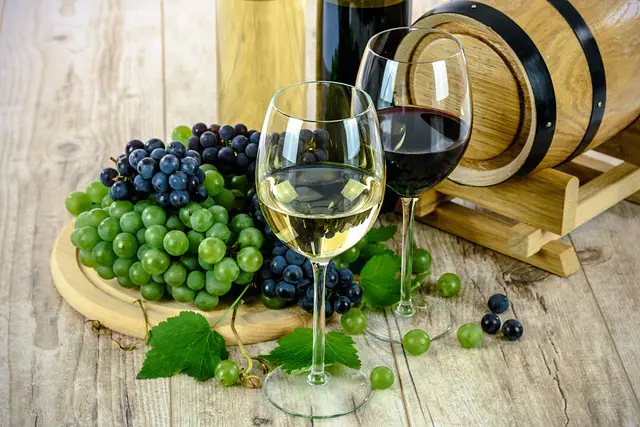
Navigating the immense world of wine requires an oenological framework dividing wines into five foundational categories: Red, White, Rosé, Sparkling, and Fortified/Dessert. Each category is defined by grape varietal genetics, skin maceration time, temperature-controlled fermentation protocols, and maturation vessels (stainless steel, concrete eggs, or oak barriques). In red wines, grape skins remain in contact with must throughout fermentation, extracting tannins, color pigments (anthocyanins), and resveratrol.

In white wines, grapes are pressed immediately to ferment clear juice, emphasizing vibrant acidity, floral terpenes, and crisp fruit. Sparkling wines incorporate secondary fermentation to trap effervescent carbon dioxide, while fortified wines (like Port, Sherry, and Madeira) arrest fermentation through the addition of high-proof grape spirits to preserve natural sugars and ensure extraordinary stability. Understanding these foundational axes allows any enthusiast to predict flavor, body, and pairing compatibility instantly.

Master Wine Classification & Structural Overview

Primary Wine TypeKey Vinification MethodTypical Alcohol (ABV)Benchmark Global Examples
Full-Bodied Red WineExtended skin maceration (2–4 weeks); oak aging13.5%–15.5%Cabernet Sauvignon, Syrah/Shiraz, Nebbiolo, Malbec
Light/Medium Red WineShort maceration; gentle extraction; neutral casks12.0%–13.5%Pinot Noir, Gamay (Beaujolais), Sangiovese, Grenache
Crisp Mineral WhiteStainless steel fermentation; cold settling; no oak11.5%–13.0%Sauvignon Blanc, Pinot Grigio, Chablis, Albariño
Rich Full-Bodied WhiteOak barrel fermentation; malolactic conversion; batonnage13.0%–14.5%Oaked Chardonnay, Viognier, White Rhône blends
Sparkling WineMéthode Traditionnelle or Charmat tank method11.0%–12.5%Champagne, Prosecco, Cava, Franciacorta
Fortified & Dessert WineNeutral grape spirit fortification or noble rot / drying15.0%–20.0%Vintage Port, Oloroso Sherry, Sauternes, Tokaji

Topic Directory & Expert Guides

Frequently Asked Questions

How many main types of wine are there?

The five fundamental categories of wine are Red, White, Rosé, Sparkling, and Fortified/Dessert. Each category encompasses hundreds of distinct varietals and regional appellations.

What determines whether a wine is light, medium, or full-bodied?

Body is dictated by alcohol content, extract (soluble solids), tannin level, and oak aging. Wines with over 13.5% ABV generally feel richer and heavier on the palate.

Can white wine be made from red grapes?

Yes. Because almost all red grapes have clear juice, pressing grapes immediately without skin contact yields white wine (known as Blanc de Noirs, common in Champagne).

Sealing a Wine Bottle: Tips and Tricks for Preserving Your Wine

Sealing a wine bottle effectively is crucial to maintaining the flavor and quality of your wine. Whether you're a novice or a connoisseur, these tips and tricks will help preserve your wine's taste for longer. From choosing the right cork to using alternative sealing methods, we've got you covered. Unlock the secrets to prolonging the life of your favorite bottle with these simple yet effective techniques. Cheers to preserving the goodness of your wine!

0 Comments

White Wine Vinegar vs. White Balsamic: Are They the Same?

When it comes to cooking and dressing salads, white wine vinegar and white balsamic vinegar are often used interchangeably. However, they do have some distinct differences. While both offer a tangy and acidic flavor, white wine vinegar has a sharper taste, perfect for vinaigrettes. On the other hand, white balsamic vinegar has a milder and sweeter profile, ideal for delicate dishes and fruity dressings. Ultimately, the choice between the two depends on your personal preference and the specific recipe you're preparing.

0 Comments

What Is Skin Contact Wine? A Bold Approach

Skin contact wine, also known as orange wine, is a bold approach in winemaking. Unlike traditional white wines, this technique involves fermenting grape juice with the grape skins, resulting in a unique orange hue and distinct flavors. The extended contact with the skins adds depth and complexity, creating a wine that is both refreshing and textured. Embraced by natural wine enthusiasts, skin contact wines are a fascinating addition to any wine lover's collection.

0 Comments

How to Open a Wine Shop: Starting Your Wine Business

Are you passionate about wine and looking to start your own business? Opening a wine shop can be an exciting and rewarding venture. From selecting the right location to building a diverse wine collection, this article will guide you through the process of starting your own wine business. Whether you're a wine connoisseur or a beginner, our comprehensive tips will help you navigate the world of wine retail with confidence. Let's uncork the possibilities and turn your wine shop dream into a reality!

0 Comments

How Many Grapes for a Bottle of Wine? Grape to Glass

When it comes to winemaking, the question of how many grapes are needed to produce a bottle of wine is often asked. The grape-to-glass journey involves various factors such as grape variety, yield per acre, and winemaker preferences. While it may vary, on average, a single bottle of wine requires around 600 to 800 grapes. However, this number can fluctuate depending on the type of grape, the region, and even the winery's style. Ultimately, the quality and flavor of the wine rely on the careful balance of grape selection, fermentation process, and aging techniques.

0 Comments

What Are the Different Types of Champagne? Exploring Varieties

Champagne is a sparkling wine that originates from the Champagne region in France. This luxurious drink comes in various styles, each with unique characteristics. Brut, Extra Brut, and Demi-Sec are some popular types, categorized by sweetness levels. Blanc de Blancs, made exclusively from Chardonnay grapes, offers a crisp and elegant taste. On the other hand, Blanc de Noirs is crafted from black-skinned grapes, resulting in a fuller and fruitier flavor profile. Rosé Champagne adds a dash of romance with its pink hues and vibrant notes. Lastly, Vintage Champagne is made from grapes harvested in a single year, showcasing the subtleties of that particular season. With such diverse options, champagne enthusiasts can indulge in a world of flavors and find their ideal bubbly companion.

0 Comments

What Is Syrah Red Wine? Red Wine Insights

Syrah, often known as Shiraz, is a bold and robust red wine that originated in France's Rhône Valley. It boasts intense flavors of dark fruits, black pepper, and spices, making it a favorite among red wine enthusiasts. With its ability to age gracefully, Syrah offers a complex and enjoyable drinking experience. Whether enjoyed on its own or paired with rich and hearty dishes, Syrah is a wine that demands attention and appreciation.

0 Comments

Where Can I Buy Cristal Champagne Near Me? Locating Premium Bubbly

If you're seeking to purchase Cristal Champagne in your vicinity, fear not! There are numerous options available to quench your bubbly desires. Local specialty wine stores, high-end liquor shops, and even online platforms offer this premium champagne. Simply explore these sources, compare prices, and select the one that suits your preferences. With a little bit of research, you'll soon be sipping on the finest Cristal Champagne!

0 Comments

The Meaning Unveiled: What Does El Primitivo Mean?

El Primitivo, the Spanish term for "the primitive," holds a deeper meaning than its literal translation. In this article, we will uncover the various interpretations behind this intriguing phrase. From its historical origins to its modern implications, we will delve into the cultural significance and shed light on how the term El Primitivo has evolved throughout time. Join us on this journey as we unveil the true essence of El Primitivo and its multifaceted connotations.

0 Comments

Is Sangiovese Sweet or Dry? A Taste Adventure

Sangiovese, a versatile Italian grape, is renowned for its complexity of flavors. But is it sweet or dry? The answer lies in the winemaking process. While some Sangiovese wines exhibit subtle sweetness, most are dry. This distinction is determined by the fermentation and residual sugar levels. So, if you're up for a taste adventure, grab a bottle of Sangiovese and allow your palate to explore the intriguing balance of flavors it has to offer. Cheers to expanding your wine horizons!

0 Comments

Are Champagne Houses Open on Sundays? Planning Your Champagne Tour

When planning a Champagne tour, it's key to know if Champagne houses are open on Sundays. While some may remain closed, many renowned establishments welcome visitors throughout the week, including Sundays. Before finalizing your itinerary, consider checking each Champagne house's opening hours to ensure a seamless and enjoyable experience. Stay informed to make the most of your sparkling adventure!

0 Comments

Is Prosecco Sweeter Than Moscato? A Sweetness Showdown

Prosecco and Moscato are both popular sparkling wines with distinct flavors and sweetness levels. While Moscato is known for its intense sweet taste, Prosecco tends to be drier. However, not all Prosecco wines are entirely void of sweetness. Ultimately, the sweetness levels in both wines vary based on the producer and region. Whether you prefer the crispness of Prosecco or the sweetness of Moscato, it's a matter of personal preference. Discovering your ideal bottle can be an exciting journey, but remember that sweetness varies across brands and individual palates.

0 Comments

Is Barefoot Wine Gluten-Free? Dietary Considerations

Barefoot Wine has become increasingly popular, but for those with dietary restrictions, it's important to know if it's gluten-free. The good news is that all Barefoot Wines are gluten-free, making them suitable for those with celiac disease or gluten intolerance. So now you can enjoy a glass of Barefoot Wine worry-free, knowing that it aligns with your dietary needs.

0 Comments

How to Drink Aperol Without Prosecco? Crafting a Bitter-Sweet Sip

If you're looking to enjoy Aperol but don't have any Prosecco on hand, fear not! There are plenty of other ways to savor this delightful aperitif. From mixing it with soda water and citrus fruits to adding a splash of sparkling water, we've got you covered. Discover the art of crafting a bitter-sweet sip with Aperol in our latest guide. You don't need Prosecco to enjoy the refreshing flavors of this iconic Italian liqueur.

0 Comments

Moving Wine Bottles: How to Pack Them Safely

Moving Wine Bottles: How to Pack Them SafelyTransporting your prized wine collection can be a nerve-wracking task. Fear not! With our expert tips, you'll ensure your bottles arrive intact. From proper packaging materials to correct positioning, we'll guide you step by step. Safeguard the delicate flavors and textures of your cherished wines with our trusted techniques. Cheers to a hassle-free move!

0 Comments

What Can You Mix with Chardonnay? Creative Blends for Your Palate

Chardonnay, a versatile white wine, pairs well with a myriad of flavors. To elevate your tasting experience, think beyond traditional pairings. Experiment with creamy cheeses like brie or gruyere, savory dishes like roasted chicken or even spicy fare like Thai cuisine. The options are endless, allowing you to explore and create exciting blends that will delight your palate.

0 Comments

What Wine Goes with Chicken Alfredo? Creamy Dish Pairing

Chicken Alfredo is a creamy Italian dish that deserves a perfect wine pairing. To complement its rich flavors, opt for a medium-bodied white wine like Chardonnay or Pinot Grigio. These wines provide a refreshing acidity to balance the creaminess of the dish. If you prefer reds, go for a light-bodied red like Beaujolais or Pinot Noir. Remember, the key is to choose a wine that won't overpower the delicate flavors of the Chicken Alfredo. Cheers to a delectable dining experience!

0 Comments