✨ This article was AI edited. Editorial responsibility: MPWWine.com.
An Apothic winery tour is one of the most sought-after wine tourism experiences among fans of bold California red blends, but Apothic Wines does not operate a standalone public commercial tasting room. Produced under the winemaking umbrella of E. & J. Gallo Winery headquartered in Modesto, California, Apothic’s portfolio is instead experienced through partner vineyard tastings across the Central Valley and Northern California, corporate hospitality showcases, and curated virtual sensory flights.
Few modern wine brands have captured the American palate with the explosive commercial success of Apothic Wines. Recognized by its dramatic Gothic black-and-crimson label and dark, opulent red blends, Apothic revolutionized the commercial wine market when it debuted Apothic Red in 2010. Blending historic California varietals such as Zinfandel, Syrah, Cabernet Sauvignon, and Merlot into an ultra-smooth, fruit-forward profile with subtle vanilla oak sweetness, Apothic quickly became a household name across North America and Europe.
Because of this immense popularity, thousands of wine travelers plan vacations around taking an Apothic winery tour. However, navigating the reality of visiting where Apothic is crafted requires an understanding of California’s commercial winemaking landscape, the history of the E. & J. Gallo headquarters in Modesto, and the alternative wine country tours available throughout Stanislaus and San Joaquin Counties.
Obsah
- The Mystery Behind Apothic: Is There a Public Winery to Visit?
- How Wine Enthusiasts Experience Apothic: Alternative Tours and Tastings
- Apothic Portfolio Breakdown: Grapes, Structure, and Flavor Profiles
- The Winemaking Philosophy: Fruit-Forward Extraction and Oak Aging
- Planning a DIY Central Valley Wine Tasting Experience
- Frequently Asked Questions (FAQ)
The Mystery Behind Apothic: Is There a Public Winery to Visit?
Unlike boutique Napa Valley estates or family-run Sonoma tasting rooms where visitors can stroll through sun-drenched vineyards and chat directly with the resident winemaker at the cellar door, Apothic operates on a vastly different production model.
The Gallo Connection in Modesto
Apothic is crafted by the winemaking team at E. & J. Gallo Winery, the largest family-owned wine and spirits company in the world. Founded by brothers Ernest and Julio Gallo in 1933 following the repeal of Prohibition, the central administrative and production campus is situated in Modesto, California, within the heart of the fertile Central Valley.
Because the central Modesto facility is a vast, industrial-scale winemaking, bottling, and distribution complex processing fruit from hundreds of contract vineyards across California, it is not open to the general public for walk-in tourist visits or standard winery tours. While industry professionals, international distributors, and private VIP guests occasionally access corporate hospitality centers, there is no public “Apothic Tasting Room” on-site.
How Wine Enthusiasts Experience Apothic: Alternative Tours and Tastings
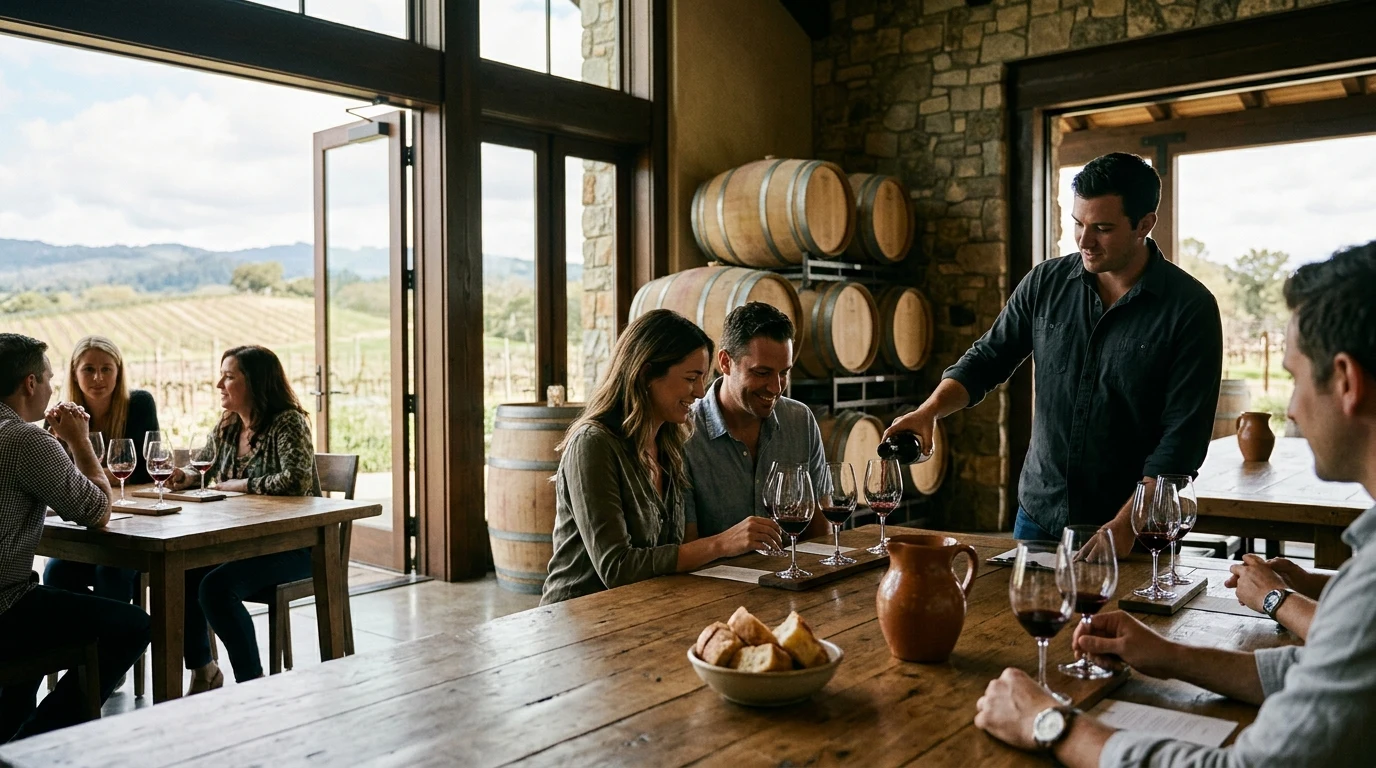
Even without a single standalone tourist chateau, fans of Apothic can immerse themselves in the brand’s aesthetic, regional viticulture, and signature winemaking philosophy through several rewarding travel and tasting avenues:
1. Central Valley and Lodi Wine Country Excursions
Just north of Modesto lies the Lodi American Viticultural Area (AVA), the historic engine room of California’s old-vine Zinfandel and Rhône varieties—the very grapes that provide the dark fruit and spicy backbone of Apothic Red, Apothic Dark, and Apothic Inferno:
- Lodi Old-Vine Zinfandel Tours: Explore historic centenarian vineyards planted on their own deep sandy loam roots, offering deep sensory insight into the brambly blackberry and peppery characteristics of Apothic blends.
- Custom AVA Tasting Flights: Visit independent Lodi tasting rooms such as the Lodi Wine Visitor Center to taste single-varietal Petite Sirah, Syrah, and Zinfandel alongside commercial California master-blends.
2. Gallo Estate and Sister Property Tours in Sonoma & Napa
While the Modesto headquarters is closed to general tourism, the Gallo family owns several premier estate wineries in Northern California that offer world-class visitor hospitality, architectural tours, and cave tastings:
- Louis M. Martini Winery (St. Helena, Napa Valley): A historic crown jewel of the Gallo luxury portfolio, featuring state-of-the-art underground barrel cellars, private cabana tastings, and estate Cabernet Sauvignon flights.
- J Vineyards & Winery (Healdsburg, Russian River Valley): Famed for high-end sparkling wines and Pinot Noir, showcasing artisanal food-and-wine pairings curated by master chefs.
- MacMurray Estate Vineyards (Healdsburg, Sonoma County): Set amidst historic ranchland, highlighting cool-climate Russian River Valley viticulture.
Apothic Portfolio Breakdown: Grapes, Structure, and Flavor Profiles
To fully appreciate an educational tasting flight of Apothic wines, understanding how each signature blend is constructed provides valuable oenological context:
| Apothic Wine Label | Primary Grape Varietals | Oak Aging & Finishing Treatment | Key Sensory Flavor Profile | Ideal Culinary Pairing |
|---|---|---|---|---|
| Apothic Red | Zinfandel, Syrah, Cabernet Sauvignon, Merlot | Toasted French & American oak staves | Dark cherry, mocha chocolate, vanilla spice, plush texture | Barbecue glazed pork ribs, gourmet beef burgers |
| Apothic Dark | Petite Sirah, Teroldego, Cabernet Sauvignon, Zinfandel | Heavy toast oak aging regime | Blackberry jam, dark chocolate, blueberry compote, coffee | Smoked brisket, prime rib roast, dark chocolate desserts |
| Apothic Inferno | Zinfandel, Red Blend | Aged for 60 days in charred white oak whiskey barrels | Maple syrup, toasted wood, red fruit, vanilla, bourbon warmth | Charred ribeye steak, spicy barbecue wings, bacon-wrapped figs |
| Apothic Crush | Pinot Noir, Petite Sirah | Soft toast oak maturation | Ripe raspberry, red velvet cake, caramel, soft silky tannins | Roasted duck breast, grilled salmon, charcuterie boards |
| Apothic White | Chardonnay, Riesling, Pinot Grigio | Cool stainless steel fermentation | Peach, honeysuckle, pineapple, crisp citrus finish | Thai coconut curries, spicy seafood, glazed poultry |
The Winemaking Philosophy: Fruit-Forward Extraction and Oak Aging
What gives Apothic its instantly recognizable sensory footprint? The production philosophy combines warm-climate Central Valley ripening with cutting-edge extraction techniques:
1. High Bx Harvest and Phenolic Ripeness
Grapes are harvested at advanced ripeness (frequently 25° to 27° Brix) under California’s intense summer sun. This elevates primary fruit sugars, lowers perceived harsh acidity, and yields naturally plush, supple tannins in grapes like Petite Sirah and Zinfandel.
2. Cold Soaking and Micro-Oxygenation
Prior to fermentation, grape must undergoes an extended cold soak to extract deep anthocyanin color pigments without pulling bitter seed tannins. During fermentation, controlled micro-oxygenation softens the wine’s cellular structure, yielding a round, velvety mouthfeel that drinks smoothly upon release.
3. Bourbon Barrel Finishing (The Inferno Innovation)
With Apothic Inferno, the brand pioneered the commercial whiskey-barrel-aged wine category. By resting finished red wine for 60 days in charred American oak casks previously used to age Kentucky straight bourbon whiskey, the wine absorbs rich lactones, vanillin, and subtle charred caramel nuances that elevate its perceived richness.
Planning a DIY Central Valley Wine Tasting Experience
If you are traveling through Northern California and wish to build a comprehensive wine country tour inspired by the origins of Apothic, follow this curated three-day itinerary:
- Day 1: Modesto Agricultural Heritage: Tour the historic agricultural routes of Stanislaus County, visit local farm-to-table markets, and photograph the iconic historic downtown arch and Gallo family grounds from public thoroughfares.
- Day 2: Lodi Old-Vine Exploration: Drive 45 minutes north to Lodi. Book private tastings at boutique estates specializing in century-old Zinfandel, Petite Sirah, and Rhône blends that define the structural core of Apothic’s grape supply.
- Day 3: Sonoma County Gallo Luxury Estates: Travel west into Sonoma County to visit Gallo-owned estates such as J Vineyards or Louis M. Martini in Napa Valley, experiencing how the family’s winemaking heritage translates to ultra-luxury terroir-driven bottles.
Frequently Asked Questions (FAQ)
Can you tour the actual Apothic winery in California?
No, there is no public commercial tasting room or designated tourist facility named “Apothic Winery.” Apothic is produced by E. & J. Gallo Winery at their major industrial winemaking headquarters in Modesto, California, which is closed to walk-in public tourism.
Where is Apothic wine made?
Apothic is blended, aged, and bottled at the E. & J. Gallo facilities in Modesto, California, utilizing grapes harvested from selected contracted vineyards across California’s Central Valley, Lodi, and coastal growing regions.
What type of wine is the original Apothic Red?
Apothic Red is a California proprietary red blend composed primarily of Zinfandel, Syrah, Cabernet Sauvignon, and Merlot. It is known for its fruit-forward notes of dark cherry, vanilla, and mocha chocolate with a rich, velvety finish.
What is Apothic Inferno aged in?
Apothic Inferno is a limited-release red wine blend aged for 60 days in charred white oak barrels previously used to mature American whiskey, imparting distinct notes of toasted caramel, maple, and subtle bourbon spice.
Get our latest guides, news, and insights highlighted in your Google Search & AI Overviews.