Wine Guides is an educational knowledge repository providing accessible yet scientifically rigorous insights into wine pairing, serving temperatures, cellar management, blind tasting techniques, and vintage assessments.

Foundational Pillars (Start Here)

Culture & Media

Best Documentaries About Wine: Essential Films for Collectors and Casual Drinkers

A curated sommelier guide to essential wine documentaries, exploring master sommelier exams, terroir, and fraud.

Retail Strategy

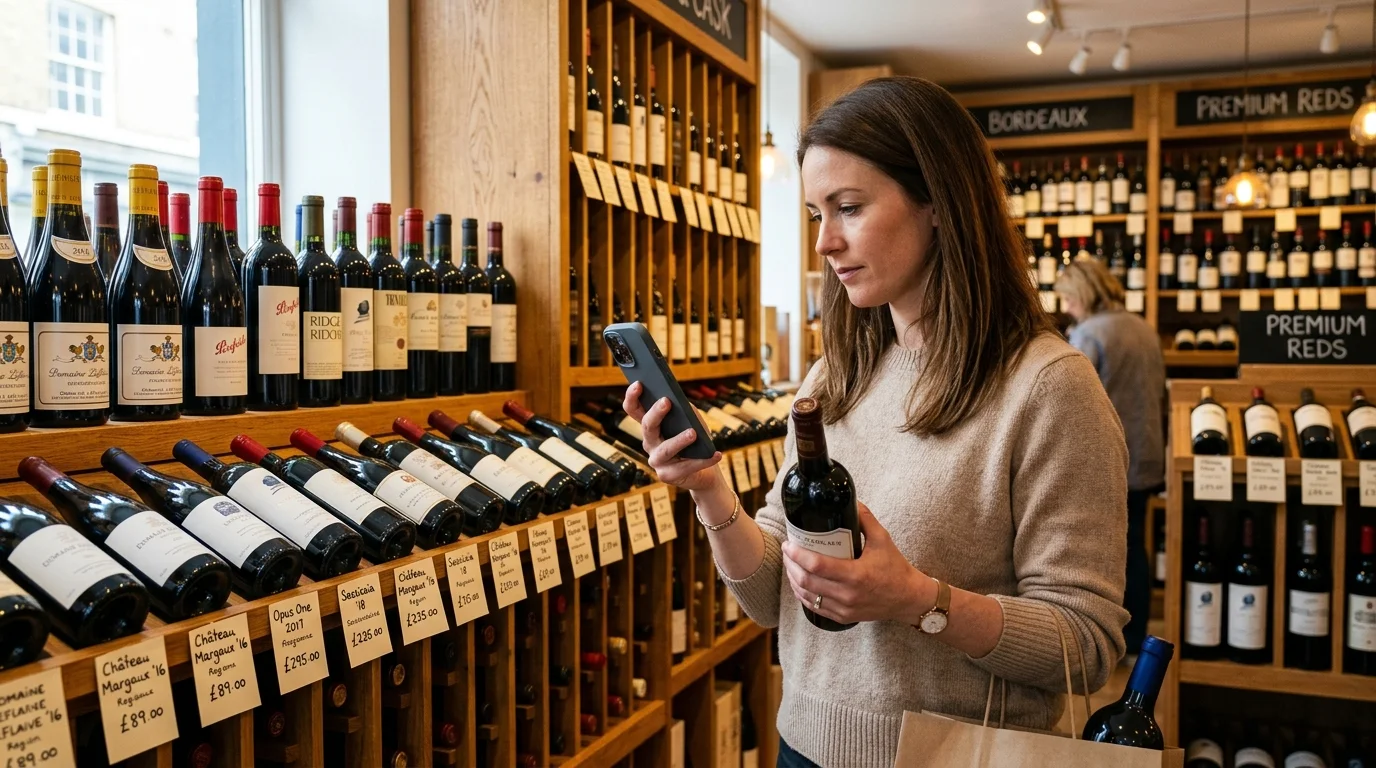
BevMo Price Match Policy Explained: How to Save on Wine and Spirits

How to navigate beverage retail policies, price matching, and vintage sourcing to maximize your cellar budget.

Gastronomic Harmony

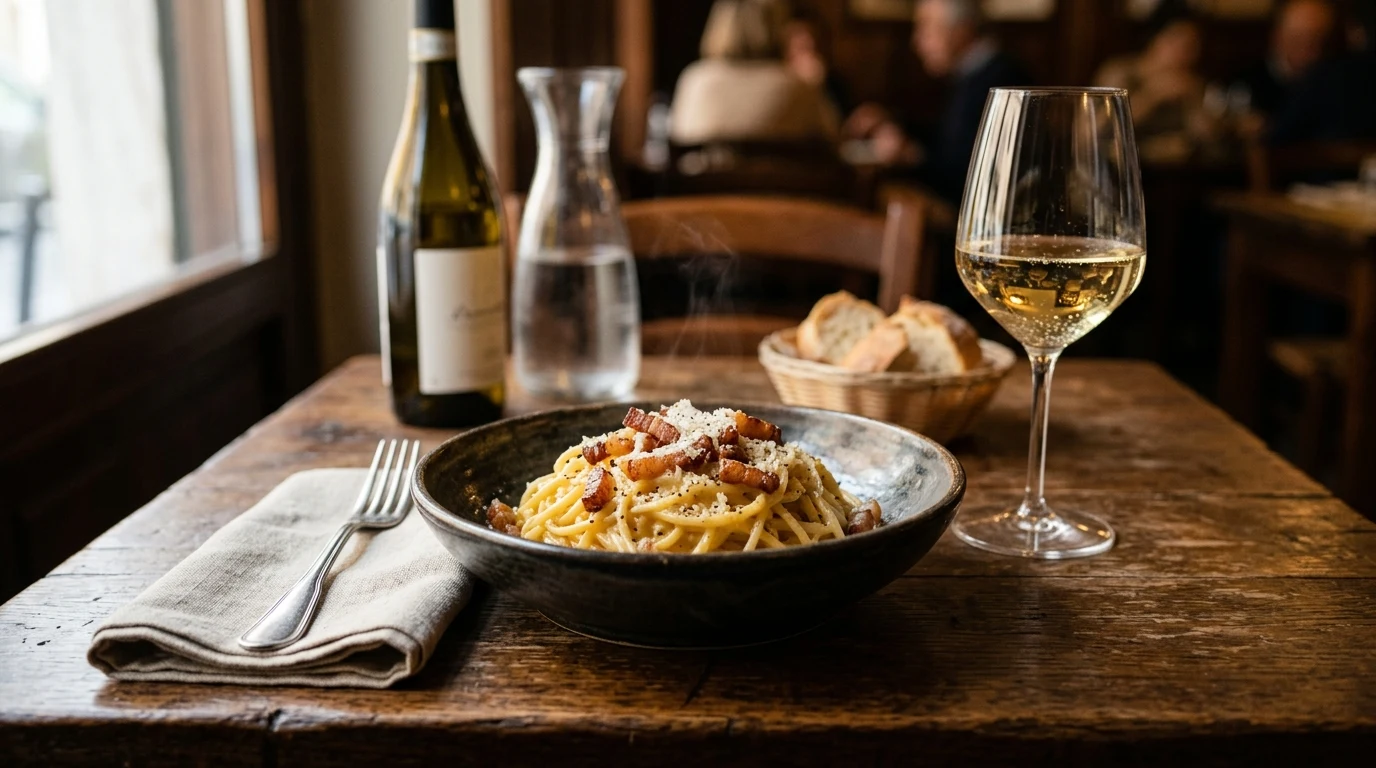
Miglior Vino da Abbinare alla Carbonara: Bianco, Rosso o Bollicine?

The ultimate guide to pairing wines with rich Roman carbonara: balancing egg yolk creaminess, pecorino, and guanciale.

The Sommelier’s Curriculum: Terroir Science, Sensory Analysis & Food Pairing

Mastery of wine requires an integrated understanding of botany, geology, organic chemistry, and culinary physics. True wine education moves beyond memorizing tasting notes to understanding *why* a wine tastes the way it does. Factors such as soil pH, diurnal temperature swings (day-to-night temperature shifts), vine training systems (guyot vs. cordon), and fermentation kinetics dictate whether a grape delivers laser acidity, silky tannins, or opulent fruit extract.

In gastronomic pairing, wine guides deconstruct dishes into their primary culinary pillars: fat, acid, salt, sweetness, bitterness, and umami. High-fat dishes (such as braised meats or creamy pasta) demand wines with either cutting natural acidity or firm, astringent tannins to cleanse the palate. By applying these scientific pairing rules, wine lovers can transform everyday meals into harmonious multi-sensory experiences.

Foundational Food & Wine Pairing Chemistry Matrix

Food Flavor / ElementWine Structural ReactionRecommended Wine ProfileClassic Food Pairing Example
High Animal Fat / MarblingFats coat the palate; tannins bind to proteins to cleanse palateHigh-tannin, bold structured red wineRibeye steak with Cabernet Sauvignon / Barolo
Rich Egg Yolk & Cured PorkRequires high acidity to cut richness without metallic clashingHigh-acid, mineral-driven white or sparklingPasta alla Carbonara with Frascati Superiore or Franciacorta
High Salinity / OystersSalt enhances perceived body and softens sharp acidityHigh-acid, saline, unoaked white wineRaw oysters with Muscadet Sèvre-et-Maine or Chablis
Spicy Capsaicin HeatAlcohol amplifies burning; sweetness and low ABV soothe heatLow ABV (<12%), off-dry aromatic whiteThai green curry with Off-Dry German Riesling Kabinett

Topic Directory & Expert Guides

Frequently Asked Questions

What is the most important rule in wine and food pairing?

Match the weight and intensity of the food to the wine, and ensure the wine has higher acidity than the dish to prevent it from tasting flat or flabby.

What wine documentary should beginners start with?

‘Somm’ (2012) offers a thrilling look into the obsessive preparation required for the Master Sommelier exam, while ‘Sour Grapes’ (2016) explores high-stakes wine counterfeiting.

Why does carbonara pair best with crisp Italian white wines?

Carbonara features rich egg yolks, rendered pork fat from guanciale, and salty Pecorino Romano. A crisp white wine with vibrant acidity slices through the fat without overpowering the delicate egg texture.