Champagne is the world’s premier sparkling wine appellation, produced exclusively within the delimited Champagne region of France utilizing the Méthode Champenoise (traditional secondary bottle fermentation) to yield unmatched effervescence, brioche complexity, and chalky minerality.

Foundational Pillars (Start Here)

Sensory Profile

What Does Champagne Taste Like? Exploring the Flavors of Champagne

A comprehensive sommelier exploration of autolytic brioche notes, green apple crispness, and chalky mineral acidity in Brut Champagne.

Fermentation Science

Does Champagne Have Yeast? Exploring the Fermentation Process

Understand the role of Saccharomyces cerevisiae yeasts during prise de mousse secondary fermentation and subsequent lees contact.

Cellar & Storage

Will Champagne Explode in Freezer? Busting the Myth

Critical safety and thermodynamics of Champagne storage, including why extreme freezing causes catastrophic glass expansion.

The Oenological Architecture of Champagne: Terroir, Assemblage & Autolysis

Authentic Champagne owes its global preeminence to a unique northern continental climate and deep Cretaceous limestone and belemnite chalk soils. These geological formations provide natural sub-surface water retention while forcing the primary noble grape varieties—Chardonnay, Pinot Noir, and Pinot Meunier—to ripen slowly, retaining the high natural acidity essential for sparkling wine longevity. The base wines (vins clairs) are blended through meticulous assemblage, combining disparate crus and reserve vintages to preserve house style year after year.

Secondary fermentation in bottle (la prise de mousse) creates the delicate 5 to 6 atmospheres of carbon dioxide pressure. Following fermentation, prolonged aging on dead yeast cells (sur lie) triggers enzymatic autolysis, releasing mannoproteins and amino acids that impart the signature sensory notes of toasted brioche, biscuit, hazelnut, and creamy mouthfeel. Non-vintage cuvées require a statutory minimum of 15 months aging (12 on lees), while prestigious vintage bottlings mature for three years to well over a decade before disgorgement and dosage.

Champagne Classification, Dosage & Stylistic Profile

Champagne CategoryGrape CompositionDosage Sugar (g/L)Aromatic & Palate Profile
Brut Nature (Zero Dosage)Chardonnay / Pinot Noir / Meunier< 3 g/L (No added sugar)Bone dry, laser-like chalk minerality, citrus peel
Extra BrutChardonnay / Pinot Noir / Meunier0–6 g/LCrisp green apple, white floral, saline finish
Brut (Classic Standard)Traditional 3-grape blend6–12 g/LToasted brioche, baked pear, creamy balance
Blanc de Blancs100% Chardonnay0–9 g/LWhite chalk, Meyer lemon, delicate hazelnut
Blanc de Noirs100% Pinot Noir / Meunier0–9 g/LRed berries, dried currant, rich structural breadth

Topic Directory & Expert Guides

Frequently Asked Questions

What is the difference between Champagne and sparkling wine?

Champagne is legally restricted to sparkling wines produced in the Champagne AOC of France using traditional bottle fermentation. Sparkling wines from other regions bear distinct designations like Prosecco, Cava, or Crémant.

What temperature should Champagne be served at?

Serve non-vintage Champagne chilled to 45°F–48°F (7°C–9°C). Prestigious vintage Champagnes show greater aromatic complexity when served slightly warmer, around 50°F–54°F (10°C–12°C).

Does Champagne expire or go bad?

Unopened non-vintage Champagne retains optimal freshness for 3 to 4 years from disgorgement, while prestige vintage bottlings can cellar gracefully for 10 to 20+ years when stored at a steady 55°F with 70% humidity.

How to Make Champagne Spray: Adding Sparkle to Celebrations

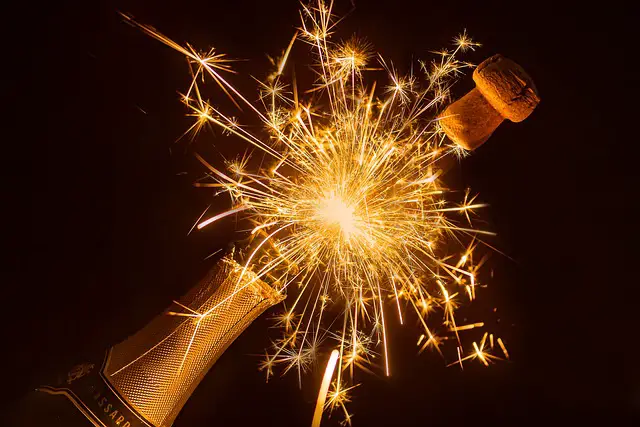
Champagne spray is the ultimate party trick that adds excitement to any celebration. To master this art, start with a chilled bottle of champagne, shake it gently, remove the cage and cork with caution, aim away from people, and let the golden bubbles spray! Remember, practice makes perfect, so be confident and kick up the sparkle at your next gathering!

0 Comments

What Is a Good Sweet Champagne? Recommendations and Reviews

When it comes to sweet champagne, there are plenty of great options to choose from. One of the favorites among enthusiasts is Moët & Chandon Nectar Impérial. Its rich flavors of tropical fruits and honeyed notes make it a perfect choice for those with a sweet tooth. Another top recommendation is Veuve Clicquot Demi-Sec, known for its balanced sweetness and hints of vanilla. For a more affordable option, consider Nicolas Feuillatte Demi-Sec, a crowd-pleasing champagne with fruity undertones. Whether it's for a celebration or a simple indulgence, these sweet champagnes are sure to impress.

0 Comments

Will Frozen Champagne Explode? Understanding the Science

Have you ever wondered if frozen champagne can explode? Understanding the science behind it is crucial. When champagne freezes, it expands, putting pressure on the bottle. Though the bottle's glass is thick and can handle it, the cork might not be as lucky. So, handle frozen champagne with care to prevent any unexpected fizzing mishaps.

0 Comments

Is Champagne Acidic? Understanding the Acidity Levels in Champagne

Champagne is known for its elegant bubbles and refreshing taste, but have you ever wondered about its acidity levels? Contrary to popular belief, Champagne is actually quite acidic with pH levels around 3.0 to 3.3. This is what gives it its characteristic crispness and allows it to pair well with a variety of foods. So, next time you cheers with a glass of bubbly, remember the acidity that adds that extra zest to your celebrations!

0 Comments

How to Sell Champagne: Tips for Liquidating Bubbly Collections

Selling champagne can be a profitable endeavor if approached strategically. When liquidating your bubbly collection, it's important to consider factors like storage conditions, bottle aging, and market demand. By pricing competitively, using reputable platforms, and highlighting unique features, you can successfully sell your champagne collection and delight both connoisseurs and curious buyers alike.

0 Comments

How Much Alcohol Is Champagne? Exploring Alcohol Content

Champagne is favored by many for its delightful effervescence, but have you ever wondered about its alcohol content? Typically, a bottle of Champagne contains around 12% alcohol by volume (ABV). This percentage is slightly higher than that of most wine, making it a bit stronger. It's important to be mindful when indulging in this beloved sparkling wine, as its alcohol content can sneak up on you. So, whether you're celebrating a special occasion or simply enjoying a glass, remember to savor Champagne responsibly.

0 Comments

A of Spades Champagne: Decoding the Mystique of This Special Blend

A bottle of Ace of Spades Champagne symbolizes luxury, sophistication, and exclusivity. Renowned for its impeccable craftsmanship and exceptional taste, this unique blend has captivated wine enthusiasts worldwide. This article aims to unravel the mystique surrounding Ace of Spades, exploring its origins, production techniques, and the reasons behind its unparalleled reputation in the sparkling wine industry. Whether you're an aficionado or simply curious, delving into the world of Ace of Spades Champagne is a delightful journey you won't want to miss. So, sit back, uncork a bottle, and prepare to immerse yourself in the opulence of this extraordinary beverage.

0 Comments

Where Can I Read Roses and Champagne? Finding the Perfect Read

Are you on the lookout for a captivating book to dive into? Look no further than "Roses and Champagne." This article reveals where you can find this enthralling read that combines romance and luxury. From local bookstores to online platforms, we'll guide you to the perfect destination for your next literary adventure. Get ready to immerse yourself in the world of "Roses and Champagne"!

0 Comments

How to Paint a Champagne Bottle: Artistic Ideas and Techniques

Have you ever wanted to add a touch of elegance and creativity to your space? Painting a champagne bottle can be a stunning and unique way to express your artistic side. In this article, we will explore various artistic ideas and techniques to help you transform an ordinary bottle into a work of art. With step-by-step instructions and expert tips, you'll be able to create a masterpiece that will sparkle in any setting. So grab your paintbrush and let's get started on this delightful artistic journey!

0 Comments

How to Start a Champagne Brand: Entrepreneurial Insights

If you're looking to start a champagne brand, there are several key steps to consider. First, research the market to understand the demand and competition. Then, secure quality grape sources and develop a unique taste profile. Next, invest in proper production facilities and storage. Utilize effective branding and marketing strategies to create awareness and build a loyal customer base. Remember, dedication and persistence are key in this competitive industry. Start your entrepreneurial journey with confidence and determination.

0 Comments

A Case of Champagne: Unveiling Bulk Bubbly Packaging

A Case of Champagne: Unveiling Bulk Bubbly PackagingWhen it comes to packaging champagne in bulk, innovation is key. This article explores the latest trends and advancements in the industry, shedding light on the techniques and materials used. Discover how champagne brands are embracing sustainable packaging without compromising on quality and taste. Whether you're a champagne enthusiast or a curious observer, join us as we delve into the world of bulk bubbly packaging.

0 Comments

Is There Alcohol in Champagne? Understanding Alcohol Content

Champagne is often associated with celebration, but have you ever wondered about its alcohol content? The answer is yes, there is alcohol in champagne. Champagne typically contains 12-12.5% alcohol, similar to most wines. The alcohol is a result of the fermentation process, where sugars in the grapes are converted into alcohol. So next time you raise a glass of bubbly, remember to enjoy responsibly!

0 Comments