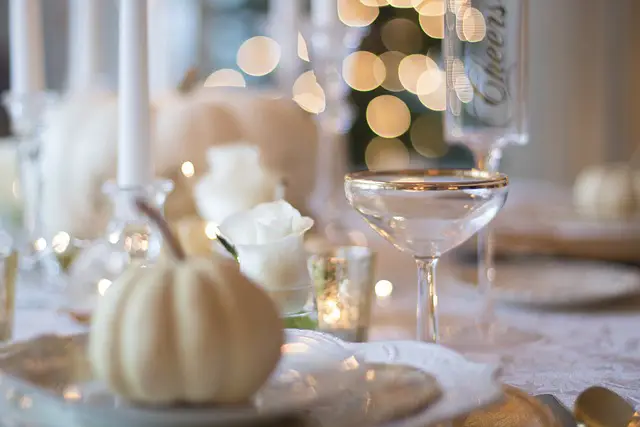
Champagne is the world’s premier sparkling wine appellation, produced exclusively within the delimited Champagne region of France utilizing the Méthode Champenoise (traditional secondary bottle fermentation) to yield unmatched effervescence, brioche complexity, and chalky minerality.

Foundational Pillars (Start Here)

Sensory Profile

What Does Champagne Taste Like? Exploring the Flavors of Champagne

A comprehensive sommelier exploration of autolytic brioche notes, green apple crispness, and chalky mineral acidity in Brut Champagne.

Fermentation Science

Does Champagne Have Yeast? Exploring the Fermentation Process

Understand the role of Saccharomyces cerevisiae yeasts during prise de mousse secondary fermentation and subsequent lees contact.

Cellar & Storage

Will Champagne Explode in Freezer? Busting the Myth

Critical safety and thermodynamics of Champagne storage, including why extreme freezing causes catastrophic glass expansion.

The Oenological Architecture of Champagne: Terroir, Assemblage & Autolysis

Authentic Champagne owes its global preeminence to a unique northern continental climate and deep Cretaceous limestone and belemnite chalk soils. These geological formations provide natural sub-surface water retention while forcing the primary noble grape varieties—Chardonnay, Pinot Noir, and Pinot Meunier—to ripen slowly, retaining the high natural acidity essential for sparkling wine longevity. The base wines (vins clairs) are blended through meticulous assemblage, combining disparate crus and reserve vintages to preserve house style year after year.

Secondary fermentation in bottle (la prise de mousse) creates the delicate 5 to 6 atmospheres of carbon dioxide pressure. Following fermentation, prolonged aging on dead yeast cells (sur lie) triggers enzymatic autolysis, releasing mannoproteins and amino acids that impart the signature sensory notes of toasted brioche, biscuit, hazelnut, and creamy mouthfeel. Non-vintage cuvées require a statutory minimum of 15 months aging (12 on lees), while prestigious vintage bottlings mature for three years to well over a decade before disgorgement and dosage.

Champagne Classification, Dosage & Stylistic Profile

Champagne CategoryGrape CompositionDosage Sugar (g/L)Aromatic & Palate Profile
Brut Nature (Zero Dosage)Chardonnay / Pinot Noir / Meunier< 3 g/L (No added sugar)Bone dry, laser-like chalk minerality, citrus peel
Extra BrutChardonnay / Pinot Noir / Meunier0–6 g/LCrisp green apple, white floral, saline finish
Brut (Classic Standard)Traditional 3-grape blend6–12 g/LToasted brioche, baked pear, creamy balance
Blanc de Blancs100% Chardonnay0–9 g/LWhite chalk, Meyer lemon, delicate hazelnut
Blanc de Noirs100% Pinot Noir / Meunier0–9 g/LRed berries, dried currant, rich structural breadth

Topic Directory & Expert Guides

Frequently Asked Questions

What is the difference between Champagne and sparkling wine?

Champagne is legally restricted to sparkling wines produced in the Champagne AOC of France using traditional bottle fermentation. Sparkling wines from other regions bear distinct designations like Prosecco, Cava, or Crémant.

What temperature should Champagne be served at?

Serve non-vintage Champagne chilled to 45°F–48°F (7°C–9°C). Prestigious vintage Champagnes show greater aromatic complexity when served slightly warmer, around 50°F–54°F (10°C–12°C).

Does Champagne expire or go bad?

Unopened non-vintage Champagne retains optimal freshness for 3 to 4 years from disgorgement, while prestige vintage bottlings can cellar gracefully for 10 to 20+ years when stored at a steady 55°F with 70% humidity.

Is Evelyn Champagne King Still Alive? Checking in on the Artist

Is Evelyn Champagne King still alive? The answer is yes! This iconic artist, known for hits like "Shame" and "Love Come Down," is very much alive and continues to thrive in the music industry. With a career spanning decades, Evelyn Champagne King remains a beloved figure, captivating audiences with her powerful vocals and infectious energy. Let's check in on this talented artist and celebrate her enduring legacy.

0 Comments

What Is a Good Champagne to Give as a Gift? Thoughtful Gifting Ideas

Champagne is a popular gift, but choosing the right one can be daunting. Opt for renowned brands like Moët & Chandon or Dom Pérignon for a safe bet. If you want something more unique, consider Grower Champagne or vintage selections. Remember to check tasting notes, personal preferences, and budget. A well-chosen bottle will surely delight any recipient, making it a memorable gift. Cheers!

0 Comments

What Is the Difference Between Brut and Extra Dry Champagne? Explained

When it comes to champagne, the terms "brut" and "extra dry" can be confusing. While both are considered dry, the main difference lies in their sweetness levels. Brut is drier, with less residual sugar, while extra dry has a slightly higher sugar content. So, if you prefer a dryer taste, go for brut, but if you like a touch of sweetness, opt for extra dry. Ultimately, it all comes down to your personal preference.

0 Comments

Where Is Champagne from X Factor Now? Tracing Talent Show Stars

The popular duo Champagne from X Factor seemed destined for stardom, but where are they now? After dominating the talent show, the talented singers embarked on solo projects. While one is making waves with their catchy pop singles, the other is exploring their passion for acting. Although no longer a duo, both artists continue to captivate audiences with their immense talent. It's clear that Champagne's X Factor journey was just the beginning of their promising careers.

0 Comments

Is Champagne Gluten Free? Discover the Truth About Champagne and Gluten

Champagne lovers with gluten sensitivities often wonder if their favorite bubbly is safe to consume. Fortunately, the truth is that Champagne is generally gluten-free. While some brands may use wheat-based additives during the production process, most Champagne is made solely from grapes. However, always check the label or contact the manufacturer to ensure it meets your dietary needs. It's important to note that individuals with severe gluten allergies should exercise caution and opt for certified gluten-free options to avoid any potential risks. As always, drink responsibly and enjoy your celebrations!

0 Comments

Why Does Champagne Give You a Headache? Debunking Bubbly Myths

If you've ever experienced a pounding headache after indulging in champagne, you're not alone. But contrary to popular belief, it's not the bubbles causing the pain. In fact, the culprits are hidden in the alcohol itself. Sulphites, histamines, and even congeners can trigger those head-splitting migraines. But fear not, there are ways to enjoy your bubbly without suffering the consequences. Stay hydrated, choose quality champagne, and take it slow to avoid the dreaded headache. Cheers to debunking this champagne myth!

0 Comments

Is Brut Rose Champagne? Discovering the Rosé Variation

When it comes to Champagne, most people are familiar with the classic white and bubbly variation. However, there's another intriguing variation that deserves attention: Brut Rosé Champagne. Though Champagne is typically associated with white grapes, Brut Rosé is made by adding a small proportion of red wine during the blending process. This results in a delightful pink hue and adds an extra layer of complexity to the flavor profile. Whether you're a fan of Champagne or curious wine enthusiasts, exploring the world of Brut Rosé Champagne promises a delightful experience that is both elegant and refreshing.

0 Comments

How Much Is in a Magnum of Champagne? Exploring Large Bottles

When it comes to celebrating special occasions, large bottles of champagne, like magnums, certainly make a statement. But just how much champagne is in a magnum? A magnum holds 1.5 liters, equivalent to two standard bottles. With the added aging potential due to less oxygen exposure, magnums are perfect for creating memorable moments, whether for gifting or toasting on your own. Cheers to the generous pour!

0 Comments

What Is Grand Cru Champagne? Understanding Premium Quality

Grand Cru Champagne is the epitome of luxury and finesse in the world of sparkling wines. It represents the highest quality in Champagne production, sourced from the best vineyards. With its unique blend of grapes and meticulous production methods, Grand Cru Champagne offers a taste experience like no other. Understanding its classification and what sets it apart will help you appreciate the unparalleled craftsmanship that goes into every bottle. Get ready to elevate your bubbly game with Grand Cru Champagne.

0 Comments

How to Taste Champagne: Developing Your Palate

Are you a champagne lover? Enhance your appreciation by developing your palate. Start by holding the flute by the stem, allowing you to assess its color and effervescence. Then take a small sip, letting the bubbles dance on your tongue. Pay attention to the flavors, acidity, and texture. Keep exploring different champagnes to refine your taste. With time and practice, you'll become a discerning connoisseur! Cheers to developing your champagne palate!

0 Comments

How Many People Die from Champagne Corks? Unveiling the Dangers

Champagne, synonymous with celebration, holds unexpected dangers in its midst - the cork. While rare, accidents can occur when popping open a bottle, causing serious injuries or even fatalities. Stay informed about the risks and learn how to safely open and enjoy your bubbly without compromising your safety. Don't let the allure of champagne blind you to its hidden dangers.

0 Comments

Is Champagne Considered Alcohol? Understanding Bubbly Classification

When it comes to bubbly beverages, one key question often arises: is champagne considered alcohol? The answer is a resounding yes. Champagne, with its effervescent charm, is made through a fermentation process that converts the grape's sugars into alcohol. So, next time you raise your glass of champagne, remember to savor the fizz with the knowledge that you're enjoying an alcoholic delight!

0 Comments

How Did Callie North and Randy Champagne Meet? Unraveling Their Story

Callie North and Randy Champagne's story began on a serendipitous afternoon at a local café. While sipping their coffees, they struck up a conversation about their shared love for art. As it turned out, Callie was an aspiring painter, and Randy owned a prestigious art gallery. Their connection was instant, leading to countless conversations, dates, and eventually a deep and lasting love. Their encounter at that fateful café sparked a beautiful journey together, intertwining their lives in ways neither could have predicted. Stay tuned as we delve deeper into the unforgettable love story of Callie North and Randy Champagne.

0 Comments