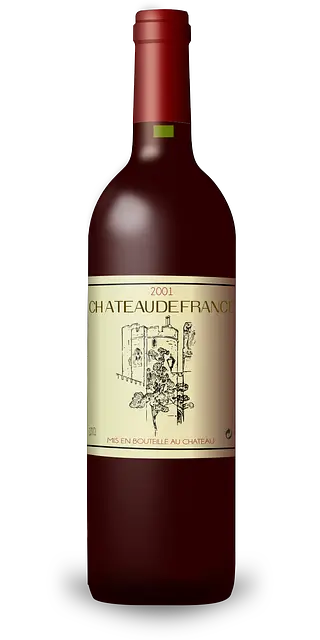
Types of Wine is an overarching taxonomical classification framework organizing the global world of viticulture by grape varietals, vinification methodologies, color spectrums, sweetness levels, effervescence, and regional appellations.

Foundational Pillars (Start Here)

Master Red Guide

Syrah Red Wine: The Complete Guide to Flavors, Terroirs, and Global Styles

A foundational masterclass exploring major global red varietals, tannin structures, and regional terroir expressions.

Sparkling Taxonomy

Is Chardonnay Champagne or Wine? Navigating Wine Categories

Demystifying Champagne vs. still Chardonnay, sparkling vinification methods, and appellation legal boundaries.

Culinary Synergy

What Wine with Indian Food? Curating Indian Cuisine Pairings

Solving complex culinary challenges: pairing aromatic whites and fruit-forward reds with spiced Indian cuisines.

The Global Wine Taxonomy: Classifications, Vinification & Terroir

Navigating the immense world of wine requires an oenological framework dividing wines into five foundational categories: Red, White, Rosé, Sparkling, and Fortified/Dessert. Each category is defined by grape varietal genetics, skin maceration time, temperature-controlled fermentation protocols, and maturation vessels (stainless steel, concrete eggs, or oak barriques). In red wines, grape skins remain in contact with must throughout fermentation, extracting tannins, color pigments (anthocyanins), and resveratrol.

In white wines, grapes are pressed immediately to ferment clear juice, emphasizing vibrant acidity, floral terpenes, and crisp fruit. Sparkling wines incorporate secondary fermentation to trap effervescent carbon dioxide, while fortified wines (like Port, Sherry, and Madeira) arrest fermentation through the addition of high-proof grape spirits to preserve natural sugars and ensure extraordinary stability. Understanding these foundational axes allows any enthusiast to predict flavor, body, and pairing compatibility instantly.

Master Wine Classification & Structural Overview

Primary Wine TypeKey Vinification MethodTypical Alcohol (ABV)Benchmark Global Examples
Full-Bodied Red WineExtended skin maceration (2–4 weeks); oak aging13.5%–15.5%Cabernet Sauvignon, Syrah/Shiraz, Nebbiolo, Malbec
Light/Medium Red WineShort maceration; gentle extraction; neutral casks12.0%–13.5%Pinot Noir, Gamay (Beaujolais), Sangiovese, Grenache
Crisp Mineral WhiteStainless steel fermentation; cold settling; no oak11.5%–13.0%Sauvignon Blanc, Pinot Grigio, Chablis, Albariño
Rich Full-Bodied WhiteOak barrel fermentation; malolactic conversion; batonnage13.0%–14.5%Oaked Chardonnay, Viognier, White Rhône blends
Sparkling WineMéthode Traditionnelle or Charmat tank method11.0%–12.5%Champagne, Prosecco, Cava, Franciacorta
Fortified & Dessert WineNeutral grape spirit fortification or noble rot / drying15.0%–20.0%Vintage Port, Oloroso Sherry, Sauternes, Tokaji

Topic Directory & Expert Guides

Frequently Asked Questions

How many main types of wine are there?

The five fundamental categories of wine are Red, White, Rosé, Sparkling, and Fortified/Dessert. Each category encompasses hundreds of distinct varietals and regional appellations.

What determines whether a wine is light, medium, or full-bodied?

Body is dictated by alcohol content, extract (soluble solids), tannin level, and oak aging. Wines with over 13.5% ABV generally feel richer and heavier on the palate.

Can white wine be made from red grapes?

Yes. Because almost all red grapes have clear juice, pressing grapes immediately without skin contact yields white wine (known as Blanc de Noirs, common in Champagne).

How Is Rice Wine Made Chewing? An Ancient Tradition

Rice wine chewing, an ancient tradition, has been practiced for centuries to produce a unique alcoholic beverage. During this process, rice is chewed to initiate fermentation, releasing enzymes and starches. The chewed rice is then combined with water and left to ferment, resulting in a distinctively flavored rice wine. While this method may seem unorthodox, it demonstrates the ingenuity and creativity of our ancestors in crafting beverages that are deeply rooted in tradition.

0 Comments

Why Do You Put a Sugar Cube in Champagne? Bubbly Rituals

When it comes to Champagne, many rituals and traditions have developed over the years. One intriguing practice involves dropping a sugar cube into your glass. But why? The answer lies in the acidity of the Champagne, which the cube helps to balance. As it dissolves, the sugar adds a touch of sweetness, enhancing the overall taste. So, next time you raise a glass of bubbly, consider adding a sugar cube for a delightful twist to your sipping experience. Cheers!

0 Comments

A to Z Chardonnay Guide: Navigating Varieties and Tastes

A to Z Chardonnay Guide: Navigating Varieties and TastesChardonnay, a versatile grape, offers a wide range of flavors depending on the region and winemaking techniques. From buttery to crisp, oak-aged to unoaked, this comprehensive guide will help you navigate the world of Chardonnay. Whether you're a novice or a connoisseur, gain a deeper understanding of this beloved wine and discover your personal preferences. Cheers to becoming a Chardonnay expert!

0 Comments

How Much Is Magnum Champagne? Understanding Pricing

Magnum Champagne is an indulgent choice for any celebration, but have you ever wondered about its pricing? The cost of a Magnum bottle varies depending on the brand, vintage, and quality. Generally, expect to pay between $100 to $500 for a Magnum Champagne. Renowned houses like Moët & Chandon or Dom Pérignon fall within this range. However, exceptional vintages or rare collections can command higher prices. Understanding the factors influencing Magnum Champagne pricing will ensure you make an informed purchase for your special occasion.

0 Comments

What Cheese Pairs with Sangiovese? A Culinary Harmony

Sangiovese, the noble Italian red wine, shines when paired with the right cheese. Its vibrant acidity and range of flavors call for a cheese that complements its character. Hard, aged cheeses like Pecorino Toscano or Parmigiano-Reggiano offer a beautiful balance, while the creamy texture and subtle tang of fresh Mozzarella make an irresistible match. Try Gorgonzola Dolce for a bold contrast, or Monte Veronese for a milder, nutty companion. Whichever cheese you choose, the harmonious combination of Sangiovese and cheese will elevate your culinary journey.

0 Comments

How to Get Cork Back in Wine Bottle: A Handy Trick

Have you ever struggled with getting a stubborn cork back into a wine bottle? Fret not! We've got you covered with a handy trick. With a few simple steps and a little patience, you'll have that cork securely back in place, keeping your wine fresh and ready to enjoy. So, let's dive into this foolproof method that will make you a pro at resealing your beloved wine bottles.

0 Comments

Chardonnay vs. Sauvignon Blanc: Which Wins the Sweetness Battle?

When it comes to white wine, Chardonnay and Sauvignon Blanc are popular choices. But which one is sweeter? Let's settle the score once and for all. Chardonnay, known for its buttery and creamy flavors, tends to be on the sweeter side. On the other hand, Sauvignon Blanc offers a crisp and refreshing taste with a hint of citrus, making it less sweet. Ultimately, the winner of this sweetness battle depends on your personal preference. Whether you enjoy a velvety sweetness or a zesty and tangy experience, both wines have unique appeal. The choice is yours!

0 Comments

Does Costco Sell Champagne? Exploring Champagne Options at Costco

If you're wondering whether Costco sells champagne, the answer is a resounding yes! Costco offers an impressive range of champagne options, from renowned Champagne houses to affordable yet quality bottles. Whether you're looking for a celebratory gift or simply enjoy a glass of bubbly, Costco has got you covered. Explore their extensive collection and find the perfect bottle to elevate your special occasions.

0 Comments

Vodka Sauce and Wine: A Winning Combination for Pasta Lovers

Vodka sauce and wine: a winning combination for pasta loversFor those who appreciate the perfect pasta dish, the marriage of vodka sauce and wine is a match made in culinary heaven. The creamy richness of vodka sauce pairs beautifully with a variety of wines, elevating the flavors and creating a truly delightful experience. From crisp Chardonnays to bold reds, there's a wine for every palate. So, next time you prepare your favorite pasta recipe, don't forget to pour a glass of wine to enhance the flavors and indulge in pure pasta perfection.

0 Comments

How to Eat a Champagne Mango: Savoring the Unique Flavor

Champagne mangoes are a tropical delight to savor! Their unique flavor and vibrant juiciness make them an irresistible treat. To eat one, simply slice off the top, score the flesh, and scoop it out with a spoon. The smooth, sweet taste will transport you to a sunny paradise. So grab a Champagne mango and indulge in the ultimate tropical experience!

0 Comments

Is Pinot Gris White? Embracing the Light and Lively Tones

Pinot Gris, originally from France, has often been mistaken as a white wine due to its light color. However, it is indeed a grayish-blue grape variety. This popular wine, with its vibrant tones and versatile flavor profile, has gained a prominent place on wine lists worldwide. Let's delve into the characteristics and complexities that make Pinot Gris a delightful choice for enthusiasts seeking a refreshing and enjoyable experience.

0 Comments

Whitehaven Sauvignon Blanc: Where to Secure Your Bottle

If you're on the lookout for a superb Sauvignon Blanc, look no further than Whitehaven. Known for its crisp and vibrant flavors, this New Zealand wine is a true crowd-pleaser. But where can you find this hidden gem? Read on to discover the best places to secure your very own bottle of Whitehaven Sauvignon Blanc. Cheers to good taste!

0 Comments

What Wine Goes with Carbonara? Pasta Pairing Perfection

When it comes to pairing wine with carbonara, the right choice can elevate your dining experience. Opt for a medium-bodied white wine such as Chardonnay or Pinot Grigio. The richness of the carbonara pairs well with the buttery, creamy flavors of these wines. Alternatively, a light red like Barbera or Sangiovese can provide a pleasant contrast. Ultimately, the key is to choose a wine that complements the richness and savory notes of the carbonara without overpowering the dish. Cheers to pasta pairing perfection!

0 Comments

What Does Pinot Gris Mean? Delving into Wine Terminology

Pinot Gris is a popular white wine grape, known for its versatility and unique flavor profile. But have you ever wondered what "Pinot Gris" actually means? In this article, we delve into the terminology of wine, exploring the origins and characteristics of this intriguing varietal. Whether you're a wine enthusiast or a curious beginner, join us as we unravel the mysteries of Pinot Gris.

0 Comments