Types of Wine is an overarching taxonomical classification framework organizing the global world of viticulture by grape varietals, vinification methodologies, color spectrums, sweetness levels, effervescence, and regional appellations.

Foundational Pillars (Start Here)

Master Red Guide

Syrah Red Wine: The Complete Guide to Flavors, Terroirs, and Global Styles

A foundational masterclass exploring major global red varietals, tannin structures, and regional terroir expressions.

Sparkling Taxonomy

Is Chardonnay Champagne or Wine? Navigating Wine Categories

Demystifying Champagne vs. still Chardonnay, sparkling vinification methods, and appellation legal boundaries.

Culinary Synergy

What Wine with Indian Food? Curating Indian Cuisine Pairings

Solving complex culinary challenges: pairing aromatic whites and fruit-forward reds with spiced Indian cuisines.

The Global Wine Taxonomy: Classifications, Vinification & Terroir

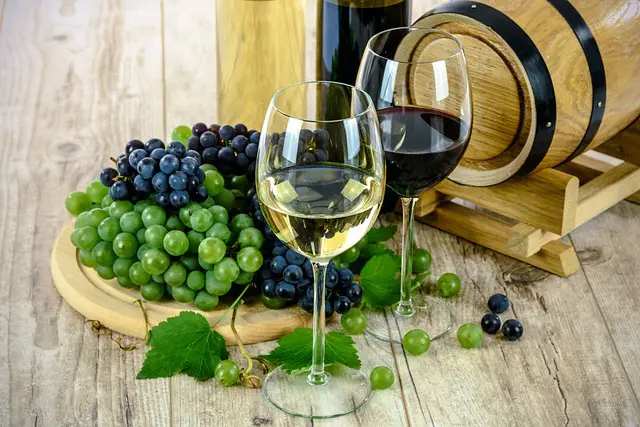
Navigating the immense world of wine requires an oenological framework dividing wines into five foundational categories: Red, White, Rosé, Sparkling, and Fortified/Dessert. Each category is defined by grape varietal genetics, skin maceration time, temperature-controlled fermentation protocols, and maturation vessels (stainless steel, concrete eggs, or oak barriques). In red wines, grape skins remain in contact with must throughout fermentation, extracting tannins, color pigments (anthocyanins), and resveratrol.

In white wines, grapes are pressed immediately to ferment clear juice, emphasizing vibrant acidity, floral terpenes, and crisp fruit. Sparkling wines incorporate secondary fermentation to trap effervescent carbon dioxide, while fortified wines (like Port, Sherry, and Madeira) arrest fermentation through the addition of high-proof grape spirits to preserve natural sugars and ensure extraordinary stability. Understanding these foundational axes allows any enthusiast to predict flavor, body, and pairing compatibility instantly.

Master Wine Classification & Structural Overview

Primary Wine TypeKey Vinification MethodTypical Alcohol (ABV)Benchmark Global Examples
Full-Bodied Red WineExtended skin maceration (2–4 weeks); oak aging13.5%–15.5%Cabernet Sauvignon, Syrah/Shiraz, Nebbiolo, Malbec
Light/Medium Red WineShort maceration; gentle extraction; neutral casks12.0%–13.5%Pinot Noir, Gamay (Beaujolais), Sangiovese, Grenache
Crisp Mineral WhiteStainless steel fermentation; cold settling; no oak11.5%–13.0%Sauvignon Blanc, Pinot Grigio, Chablis, Albariño
Rich Full-Bodied WhiteOak barrel fermentation; malolactic conversion; batonnage13.0%–14.5%Oaked Chardonnay, Viognier, White Rhône blends
Sparkling WineMéthode Traditionnelle or Charmat tank method11.0%–12.5%Champagne, Prosecco, Cava, Franciacorta
Fortified & Dessert WineNeutral grape spirit fortification or noble rot / drying15.0%–20.0%Vintage Port, Oloroso Sherry, Sauternes, Tokaji

Topic Directory & Expert Guides

Frequently Asked Questions

How many main types of wine are there?

The five fundamental categories of wine are Red, White, Rosé, Sparkling, and Fortified/Dessert. Each category encompasses hundreds of distinct varietals and regional appellations.

What determines whether a wine is light, medium, or full-bodied?

Body is dictated by alcohol content, extract (soluble solids), tannin level, and oak aging. Wines with over 13.5% ABV generally feel richer and heavier on the palate.

Can white wine be made from red grapes?

Yes. Because almost all red grapes have clear juice, pressing grapes immediately without skin contact yields white wine (known as Blanc de Noirs, common in Champagne).

Does Champagne Stain? Tips for Handling Champagne Stains

Champagne, the embodiment of celebration, elegance, and indulgence, has a unique tendency to leave behind stubborn stains that can ruin even the most fabulous soirées. But fear not, for we have your back! In this guide, we'll explore proven tips for handling Champagne stains with ease and finesse. From white tablecloth disasters to clothing mishaps, you'll learn how to tackle these stains without breaking a sweat. So, keep calm and get ready to sip, spill, and conquer those Champagne stains like a pro!

0 Comments

What is Sangiovese Wine Like? A Taste of Italy

Sangiovese wine, synonymous with Italian heritage, offers a truly authentic taste of Italy. This red wine boasts a medium to full body with a vibrant acidity and notable tannins. With flavors ranging from cherry, plum, and strawberry, to earthy undertones, Sangiovese embodies the spirit of its Tuscan origins. Perfectly complementing Italian cuisine, it pairs effortlessly with pasta, cured meats, and aged cheeses. Appreciated by wine connoisseurs worldwide, Sangiovese truly captures the essence of the Italian terroir and is a must-try for any wine enthusiast.

0 Comments

EBT and Wine: Can You Use Food Stamps to Buy Wine?

EBT and Wine: Can You Use Food Stamps to Buy Wine?Many people wonder if they can purchase alcohol, like wine, with their EBT card. The answer is, unfortunately, no. The Supplemental Nutrition Assistance Program (SNAP) regulations explicitly forbid the purchase of alcoholic beverages. EBT cards are intended solely for the purchase of essential food items. Therefore, wine lovers will have to look for other payment methods when indulging in their favorite vino.

0 Comments

Where to Buy Just the Tipsy Wine: Unique Varieties

When it comes to seeking out unique wine varieties that pack a punch, there are several excellent options available. Whether you're craving a sparkling Moscato d'Asti with its delightful effervescence or a robust Amarone with its bold flavors, we've got you covered. This article will guide you on where to find these exclusive gems, ensuring your wine collection always offers something truly exceptional and a little bit tipsy.

0 Comments

How to Load Wine Glasses in Dishwasher: Preventing Breakage

If you love your wine glasses as much as your favorite vintage, it's essential to load them into the dishwasher without risking breakage. To ensure they come out sparkling clean and intact, follow these simple steps. First, unload the bottom rack and make sure it's clean and free from debris. Arrange the glasses upside down, ensuring they are evenly spaced and do not touch. For added protection, consider using stemware holders or securing them between tines. Avoid overcrowding and stacking glasses, as this increases the chances of breakage. Use a gentle dishwasher cycle and skip the heated drying option; instead, air dry them naturally. By adhering to these guidelines, you can enjoy both your wine and your pristine glasses worry-free.

0 Comments

Is Freixenet Champagne Good? Reviewing Spanish Sparkling Wine

Freixenet, renowned for its Spanish Cava, consistently delivers high-quality sparkling wines. While not Champagne, its rich flavors, delicate bubbles, and refined craftsmanship make it a worthy competitor. From their classic Brut to the fruity Rosé, Freixenet offers a range of options for every palate. Whether for celebrations or casual sipping, Freixenet is an excellent choice for those who appreciate fine sparkling wine.

0 Comments

Don’t Mind if I Do Wine: Uncorking the Fun in Every Bottle

Don't Mind if I Do Wine: Uncorking the Fun in Every BottleWine enthusiasts are embarking on a magical journey with each bottle they open. Whether you're a novice or seasoned oenophile, there's something for everyone in the vast world of wine. From exploring different grape varieties to understanding the art of wine pairing, this article will unlock the secrets behind the perfect pour. Uncork your curiosity and let's dive into the wonderful world of wine!

0 Comments

How to Serve Syrah Wine? Serving Tips for Excellence

Syrah wine, with its bold flavors and aromas, deserves to be served right. Start by decanting the wine to let it breathe and enhance its flavor. Serve it at a slightly cooler temperature than room temp, around 60-65°F. Opt for wide-bowled glasses to allow the aromas to fully develop. Pair it with grilled meats or aged cheeses to enhance the taste. Remember, serving Syrah with excellence is all about enhancing its rich profile.

0 Comments

Frozen Wine Bottles: Will Your Wine Freeze in the Car?

Have you ever left a bottle of wine in your car only to come back and find it frozen solid? While wine can freeze, it's unlikely to happen in a typical car. The freezing point of wine is around 14°F, much lower than the typical freezing point of water. However, extreme temperatures can still affect wine quality, causing it to expand and potentially leak. So, it's always best to store your wine in a cool, stable environment to preserve its taste and integrity.

0 Comments

Sauvignon Blanc: Is It a Sweet Wine or Not?

Sauvignon Blanc: Is It a Sweet Wine or Not?Sauvignon Blanc, a versatile white wine, is known for its crisp and dry character, contrary to popular misconceptions of it being sweet. With its refreshing grapefruit and herbaceous flavors, it offers a vibrant and lively experience. Don't let the misunderstanding deter you - uncork a bottle and savor the delightfully dry essence of Sauvignon Blanc.

0 Comments

How Many Calories in a 750ml Bottle of Prosecco? Caloric Bubbles

Prosecco lovers unite! If you've ever wondered about the calorie count in a 750ml bottle of this beloved sparkling wine, we've got you covered. With its refreshing bubbles and delicate flavor, a standard bottle of Prosecco contains around 570-650 calories. So, go ahead and indulge guilt-free, while still keeping an eye on your intake. Cheers to knowing the facts!

0 Comments

Does Wine Have Potassium? Unveiling Nutritional Content

Does wine have potassium? Many believe that it's low in this vital nutrient, but the truth may surprise you. In fact, wine contains a moderate amount of potassium, contributing to its potential health benefits. Though not as rich as fruits or vegetables, a glass of wine can still be a source of this essential mineral. So, next time you raise your glass, remember that you're not only indulging in a delightful beverage but also making a small contribution to your potassium intake. Cheers to a well-balanced diet!

0 Comments

How Tall Is a Wine Glass? Exploring Glass Design

Wine lovers often wonder about the seemingly endless variety of wine glass designs. But have you ever wondered how tall a wine glass really is? Glass design plays a crucial role in enhancing your wine-drinking experience. Stem length, bowl size, and rim diameter all contribute to the perfect sip. Join us as we explore the fascinating world of wine glass design and its impact on your favorite indulgence.

0 Comments

Is Pinot Gris a Sweet Wine? Satisfying Your Sweet Tooth

Pinot Gris, often misunderstood, raises questions about its sweetness. To satisfy your sweet tooth, it's important to know that Pinot Gris wines can span a range of sweetness levels. Some are off-dry, striking the perfect balance between sweet and crisp, while others can be on the sweeter side. So, if you're seeking a sweeter wine, Pinot Gris might just be the answer. Its versatility caters to a wide palate spectrum, ensuring satisfaction for all wine enthusiasts. Explore the various styles and let Pinot Gris surprise you with its delightful sweetness.

0 Comments

Kirkland Cabernet Sauvignon Box: Unboxing the Mystery

Cabernet Sauvignon has long been hailed as the king of red wines, and Kirkland's Cabernet Sauvignon Box offers an intriguing mystery. In this unboxing, we explore the origins, tasting notes, and value of this enigmatic boxed wine. Whether you're a wine connoisseur or a novice, uncover the secrets behind Kirkland's Cabernet Sauvignon, and discover if it lives up to its revered reputation.

0 Comments

What Wine Goes with Gumbo? Exploring Cajun Cuisine

Gumbo, the soulful dish originating from Louisiana, is a delightful fusion of flavors. But what wine pairs well with this beloved Cajun cuisine? The richness of gumbo calls for a wine that can hold its own. Opt for medium to full-bodied reds like Zinfandel or Syrah, or explore white options like Chardonnay or Viognier with buttery notes. Better yet, try local Louisiana wines to truly complement the dish. With these wine suggestions, your gumbo experience will be elevated to new heights!

0 Comments

How to Pronounce Syrah: Mastering the Name

Syrah is a popular red wine grape with an elusive pronunciation. Mastering its name can help you navigate wine menus with confidence. The correct way to say "Syrah" is "seh-RAH." Avoid mispronunciations and impress your wine-loving friends by getting this name right. Cheers!

0 Comments