Types of Wine is an overarching taxonomical classification framework organizing the global world of viticulture by grape varietals, vinification methodologies, color spectrums, sweetness levels, effervescence, and regional appellations.

Foundational Pillars (Start Here)

Master Red Guide

Syrah Red Wine: The Complete Guide to Flavors, Terroirs, and Global Styles

A foundational masterclass exploring major global red varietals, tannin structures, and regional terroir expressions.

Sparkling Taxonomy

Is Chardonnay Champagne or Wine? Navigating Wine Categories

Demystifying Champagne vs. still Chardonnay, sparkling vinification methods, and appellation legal boundaries.

Culinary Synergy

What Wine with Indian Food? Curating Indian Cuisine Pairings

Solving complex culinary challenges: pairing aromatic whites and fruit-forward reds with spiced Indian cuisines.

The Global Wine Taxonomy: Classifications, Vinification & Terroir

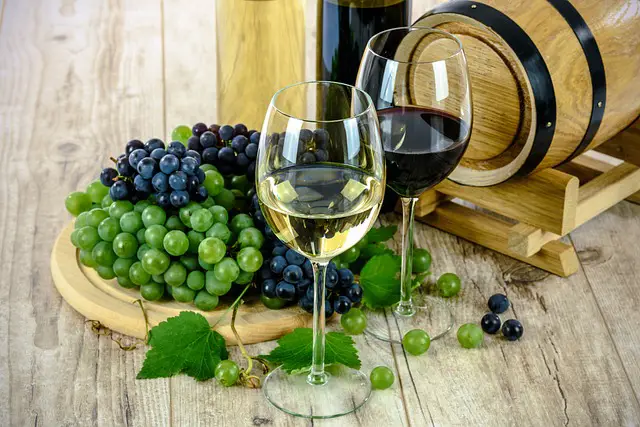
Navigating the immense world of wine requires an oenological framework dividing wines into five foundational categories: Red, White, Rosé, Sparkling, and Fortified/Dessert. Each category is defined by grape varietal genetics, skin maceration time, temperature-controlled fermentation protocols, and maturation vessels (stainless steel, concrete eggs, or oak barriques). In red wines, grape skins remain in contact with must throughout fermentation, extracting tannins, color pigments (anthocyanins), and resveratrol.

In white wines, grapes are pressed immediately to ferment clear juice, emphasizing vibrant acidity, floral terpenes, and crisp fruit. Sparkling wines incorporate secondary fermentation to trap effervescent carbon dioxide, while fortified wines (like Port, Sherry, and Madeira) arrest fermentation through the addition of high-proof grape spirits to preserve natural sugars and ensure extraordinary stability. Understanding these foundational axes allows any enthusiast to predict flavor, body, and pairing compatibility instantly.

Master Wine Classification & Structural Overview

Primary Wine TypeKey Vinification MethodTypical Alcohol (ABV)Benchmark Global Examples
Full-Bodied Red WineExtended skin maceration (2–4 weeks); oak aging13.5%–15.5%Cabernet Sauvignon, Syrah/Shiraz, Nebbiolo, Malbec
Light/Medium Red WineShort maceration; gentle extraction; neutral casks12.0%–13.5%Pinot Noir, Gamay (Beaujolais), Sangiovese, Grenache
Crisp Mineral WhiteStainless steel fermentation; cold settling; no oak11.5%–13.0%Sauvignon Blanc, Pinot Grigio, Chablis, Albariño
Rich Full-Bodied WhiteOak barrel fermentation; malolactic conversion; batonnage13.0%–14.5%Oaked Chardonnay, Viognier, White Rhône blends
Sparkling WineMéthode Traditionnelle or Charmat tank method11.0%–12.5%Champagne, Prosecco, Cava, Franciacorta
Fortified & Dessert WineNeutral grape spirit fortification or noble rot / drying15.0%–20.0%Vintage Port, Oloroso Sherry, Sauternes, Tokaji

Topic Directory & Expert Guides

Frequently Asked Questions

How many main types of wine are there?

The five fundamental categories of wine are Red, White, Rosé, Sparkling, and Fortified/Dessert. Each category encompasses hundreds of distinct varietals and regional appellations.

What determines whether a wine is light, medium, or full-bodied?

Body is dictated by alcohol content, extract (soluble solids), tannin level, and oak aging. Wines with over 13.5% ABV generally feel richer and heavier on the palate.

Can white wine be made from red grapes?

Yes. Because almost all red grapes have clear juice, pressing grapes immediately without skin contact yields white wine (known as Blanc de Noirs, common in Champagne).

How Many Glasses of Champagne in a 1.5 Liter Bottle? Estimating Servings

When it comes to estimating servings of champagne from a 1.5-liter bottle, there is a general rule of thumb. Assuming each glass contains about 150ml, you can expect to pour around 10 glasses from a standard-sized bottle. However, factors like pour size and type of glassware can impact the final count. It's always wise to plan accordingly if you have a specific number of servings in mind. Cheers to celebrating with the perfect amount of bubbly!

0 Comments

What Wine Goes with Cheesecake? Dessert and Wine Pairings

When it comes to pairing wine with dessert, cheesecake poses a delightful challenge. The rich and creamy texture of this dessert calls for a wine that can complement its flavors without overpowering them. Opt for a sweet white wine like Riesling or Moscato. Alternatively, a fruity red wine such as Pinot Noir can be an excellent choice. The key is striking a balance between the wine’s sweetness and the dessert’s decadence, resulting in a mouthwatering combination. Experiment and find the perfect pairing that suits your taste buds. Cheers to a delightful cheesecake experience!

0 Comments

Where Is the Expiration Date on Wine? Locating It

Knowing where to find the expiration date on a bottle of wine is crucial for a satisfying drinking experience. Typically, the date can be found on the back label, embossed on the bottle, or even hidden beneath a capsule. Familiarizing ourselves with these locations ensures we enjoy our wine at its best, avoiding any unpleasant surprises. Let's explore the various spots where this vital information may be concealed.

0 Comments

Language Insights: What is English for Primitivo?

English is a universal language, but have you ever wondered how certain words translate into English from other languages? Today, we explore the meaning of "Primitivo" in English. Literature and history buffs, get ready for some intriguing language insights. Stay tuned to discover the fascinating world behind this foreign term!

0 Comments

Is It Bad to Mix Red and White Wine? Debunking Myths

There's a persistent myth in the world of wine that mixing red and white wines is a big no-no. But let's set the record straight. Contrary to popular belief, there's no harm in experimenting with wine blends. In fact, it can lead to unique and exciting flavors. So, don't be afraid to mix and match those grapes to please your palate. Join us as we debunk this long-standing misconception and enlighten your wine drinking experience.

0 Comments

Difference Between Pinot Gris and Grigio: Navigating the Names

Pinot Gris and Pinot Grigio, often used interchangeably, actually denote two distinct wine styles. While they both originate from the same grape, their taste profiles and production methods differ significantly. Understanding these differences can help you choose the perfect wine to suit your palate and occasion. Let's delve into the nuanced world of Pinot Gris and Grigio, navigating the names with confidence and knowledge.

0 Comments

Do You Need to Be 21 to Buy Cooking Wine? Legal Age Considerations

If you're under 21 and love experimenting in the kitchen, you may be wondering if you can purchase cooking wine. The legal age for buying alcohol in the US is 21, but the rules vary for cooking wine. In most states, cooking wine contains a high alcohol content, making it subject to age restrictions. However, there are non-alcoholic alternatives available that can still add flavor to your dishes. It's important to check your local laws to ensure compliance and explore alternative options until you reach the legal drinking age.

0 Comments

Do You Chill Sangiovese Wine? Elevating the Temperature

Sangiovese wine, a classic Italian varietal, is best enjoyed at a slightly cool temperature. While red wines are typically served at room temperature, chilling Sangiovese enhances its flavors and nuances. By lowering the temperature to around 60-65°F, the wine becomes more vibrant, allowing fruity and spicy notes to shine. So, next time you uncork a bottle of Sangiovese, don't hesitate to give it a light chill for an elevated tasting experience.

0 Comments

Can You Buy Wine in Grocery Stores in Arizona? Laws

In Arizona, you can purchase wine at grocery stores. The state's laws allow for the sale of wine in these establishments, making it convenient for consumers. This regulation has opened up new avenues for wine lovers to explore and enjoy a vast selection of wines while shopping for their everyday needs.

0 Comments

Is Pinot Grigio the Same as Pinot Gris? Deciphering the Names

Are you confused about whether Pinot Grigio and Pinot Gris are different or the same? Let's clear things up. Pinot Grigio and Pinot Gris are actually two names for the same grape variety. The difference lies in the style of wine produced: Pinot Grigio is typically lighter and crisper, while Pinot Gris tends to be fuller-bodied and richer. So, next time you're sipping one, know that it's just a matter of naming preference. Cheers!

0 Comments

How to Get to Champagne France: Travel Guide to the Region

The Champagne region of France is a must-visit destination for wine enthusiasts. Getting there is a breeze, with multiple transportation options available. Whether you prefer to fly, take a train or drive, we've got you covered. In this travel guide, we will discuss the various methods of transportation to help you plan your journey to Champagne. Let's dive in!

0 Comments

How to Tie Ribbon on a Wine Bottle: Creative Gift Wrapping

Tying a ribbon on a wine bottle adds an elegant touch to any gift. To start, measure an appropriate length of ribbon and position it diagonally over the bottle's neck. Cross the ends under the bottle's base and bring them up, tying a simple knot. To achieve a more elaborate look, create a bow with the ribbon ends. Experiment with different colors and textures to personalize your gift. With these simple steps, your wine bottle will be beautifully wrapped and ready to go!

0 Comments

What Is Chicken Chardonnay? Culinary Delights with Wine

If you're a fan of both fine dining and fine wine, then Chicken Chardonnay might just become your new favorite dish. This culinary delight combines succulent chicken with the rich flavors of Chardonnay wine. The result is a perfectly balanced and decadent meal that is sure to impress your taste buds. In this article, we'll explore what Chicken Chardonnay is, how it's made, and why it has become a popular choice for food and wine lovers everywhere. So sit back, pour yourself a glass of Chardonnay, and get ready to experience this delightful gastronomic combination.

0 Comments

ES Okay Wine: A Taste of Spain’s Finest

ES Okay Wine: A Taste of Spain's FinestEmbark on a delightful journey through Spain's vibrant vineyards, as we explore the distinguished flavors of ES Okay Wine. Made from hand-picked grapes and produced with utmost care, this exceptional wine showcases the country's rich winemaking heritage. From velvety reds to crisp whites, each bottle is a testament to the passion and tradition that define Spanish viticulture. Indulge in an experience that transports you to the heart of Spain, sip by sip. Cheers to ES Okay Wine!

0 Comments

What Food Goes With Syrah Wine? Culinary Companions

Syrah wine, known for its bold flavors, pairs well with a variety of foods. Its robust taste complements rich and savory dishes like grilled lamb, beef stew, or aged cheeses. For a vegetarian option, try pairing Syrah with roasted eggplant or mushroom risotto. The wine's tannins also harmonize with spicy cuisines such as Indian or Moroccan. Don't forget to experiment and find your favorite culinary companion for this versatile wine.

0 Comments