Types of Wine is an overarching taxonomical classification framework organizing the global world of viticulture by grape varietals, vinification methodologies, color spectrums, sweetness levels, effervescence, and regional appellations.

Foundational Pillars (Start Here)

Master Red Guide

Syrah Red Wine: The Complete Guide to Flavors, Terroirs, and Global Styles

A foundational masterclass exploring major global red varietals, tannin structures, and regional terroir expressions.

Sparkling Taxonomy

Is Chardonnay Champagne or Wine? Navigating Wine Categories

Demystifying Champagne vs. still Chardonnay, sparkling vinification methods, and appellation legal boundaries.

Culinary Synergy

What Wine with Indian Food? Curating Indian Cuisine Pairings

Solving complex culinary challenges: pairing aromatic whites and fruit-forward reds with spiced Indian cuisines.

The Global Wine Taxonomy: Classifications, Vinification & Terroir

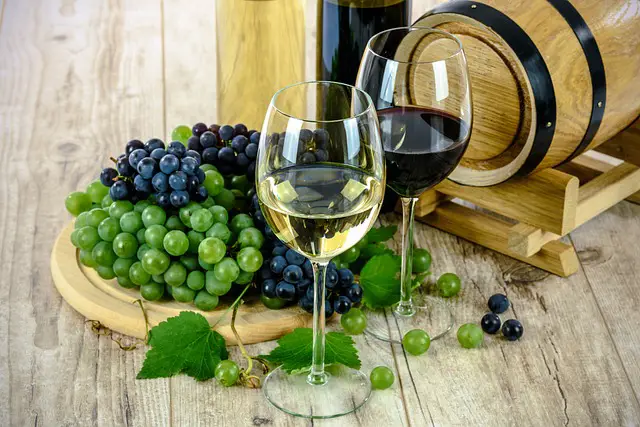
Navigating the immense world of wine requires an oenological framework dividing wines into five foundational categories: Red, White, Rosé, Sparkling, and Fortified/Dessert. Each category is defined by grape varietal genetics, skin maceration time, temperature-controlled fermentation protocols, and maturation vessels (stainless steel, concrete eggs, or oak barriques). In red wines, grape skins remain in contact with must throughout fermentation, extracting tannins, color pigments (anthocyanins), and resveratrol.

In white wines, grapes are pressed immediately to ferment clear juice, emphasizing vibrant acidity, floral terpenes, and crisp fruit. Sparkling wines incorporate secondary fermentation to trap effervescent carbon dioxide, while fortified wines (like Port, Sherry, and Madeira) arrest fermentation through the addition of high-proof grape spirits to preserve natural sugars and ensure extraordinary stability. Understanding these foundational axes allows any enthusiast to predict flavor, body, and pairing compatibility instantly.

Master Wine Classification & Structural Overview

Primary Wine TypeKey Vinification MethodTypical Alcohol (ABV)Benchmark Global Examples
Full-Bodied Red WineExtended skin maceration (2–4 weeks); oak aging13.5%–15.5%Cabernet Sauvignon, Syrah/Shiraz, Nebbiolo, Malbec
Light/Medium Red WineShort maceration; gentle extraction; neutral casks12.0%–13.5%Pinot Noir, Gamay (Beaujolais), Sangiovese, Grenache
Crisp Mineral WhiteStainless steel fermentation; cold settling; no oak11.5%–13.0%Sauvignon Blanc, Pinot Grigio, Chablis, Albariño
Rich Full-Bodied WhiteOak barrel fermentation; malolactic conversion; batonnage13.0%–14.5%Oaked Chardonnay, Viognier, White Rhône blends
Sparkling WineMéthode Traditionnelle or Charmat tank method11.0%–12.5%Champagne, Prosecco, Cava, Franciacorta
Fortified & Dessert WineNeutral grape spirit fortification or noble rot / drying15.0%–20.0%Vintage Port, Oloroso Sherry, Sauternes, Tokaji

Topic Directory & Expert Guides

Frequently Asked Questions

How many main types of wine are there?

The five fundamental categories of wine are Red, White, Rosé, Sparkling, and Fortified/Dessert. Each category encompasses hundreds of distinct varietals and regional appellations.

What determines whether a wine is light, medium, or full-bodied?

Body is dictated by alcohol content, extract (soluble solids), tannin level, and oak aging. Wines with over 13.5% ABV generally feel richer and heavier on the palate.

Can white wine be made from red grapes?

Yes. Because almost all red grapes have clear juice, pressing grapes immediately without skin contact yields white wine (known as Blanc de Noirs, common in Champagne).

Top Picks: Who Makes the Best Primitivo?

If you're a fan of rich, bold red wines, it's time to discover the best Primitivo bottles out there. Hailing from Italy's heel, this grape variety delivers deep flavors of dark fruit, spice, and earthiness. After extensive research, we've compiled a list of our top picks, featuring wineries renowned for their Primitivo production. From the intense and structured to the elegant and velvety, our selections showcase the diverse expressions this grape has to offer. Whether you're a seasoned Primitivo enthusiast or a curious newcomer, our recommendations guarantee a memorable tasting experience.

0 Comments

How Many Cups in a Bottle of Champagne? Serving Measurements

When it comes to serving champagne, knowing the number of cups in a bottle can save you from any last-minute party mishaps. A standard bottle of champagne contains about six glasses of 4-ounce servings. However, this may vary depending on the size of the glasses and the generosity of your pour. It's always a good idea to have an extra bottle on hand, just in case the celebration calls for a little more bubbly!

0 Comments

How Many Bottles in a Case of Champagne? Explained with Examples

Have you ever wondered how many bottles are in a case of Champagne? The answer may surprise you. A standard case of Champagne contains 12 bottles, but there are exceptions. For example, if you buy vintage Champagne, you'll usually find six bottles in a case. Remember, it's always best to check the label or ask your local wine merchant for specifics. Understanding how many bottles are in a case will help you plan your celebrations or purchase the right amount for a special occasion. Cheers to that!

0 Comments

How to Open Stuck Champagne Cork: Tips for Tricky Situations

We've all been there - struggling with a stuck champagne cork while celebrating a special occasion. But fear not! Follow these expert tips to effortlessly open that stubborn bottle. From chilling the neck to applying gentle pressure, we'll guide you through potential hiccups and ensure your bubbly pops with elegance. Say goodbye to struggle and hello to celebration!

0 Comments

Is Sangiovese Like Pinot Noir? A Comparison of Flavors

Sangiovese and Pinot Noir are two popular red wine varietals known for their unique flavors. While both boast diverse profiles, they do share certain commonalities. Sangiovese, with its robust cherry and earthy notes, stands out for its vibrant acidity. In contrast, Pinot Noir offers a delicate and nuanced palate, flaunting red fruit, floral, and sometimes earthy characteristics. Despite some resemblances, Sangiovese and Pinot Noir are distinct in flavor, making them intriguing and delightful choices for wine enthusiasts. Whether you prefer the vivacity of Sangiovese or the finesse of Pinot Noir, both wines guarantee an unmatched tasting experience.

0 Comments

Mixing Wine and Rum: A Match Made in Cocktail Heaven

Mixing Wine and Rum: A Match Made in Cocktail HeavenLooking to elevate your cocktail game? Look no further than the delightful combination of wine and rum. This dynamic duo brings together the timeless elegance of wine with the rich complexity of rum, resulting in exceptional libations. Whether you're a fan of fruity sangrias or spiced mojitos, the possibilities are endless. With the right balance and choice of ingredients, mixing these two spirits can create a harmonious blend that will leave your taste buds begging for more. So why not explore the world of wine and rum cocktails and indulge in the best of both worlds? Cheers to the perfect union of these two iconic beverages!

0 Comments

What Wine Pairs with Blue Cheese? Perfecting Cheese and Wine Duos

When it comes to pairing wine with blue cheese, it's all about finding the perfect balance. The richness and boldness of blue cheese call for wines with similar characteristics. Look for full-bodied red wines like Cabernet Sauvignon or Syrah, as their strong flavors can stand up to the intensity of blue cheese. Alternatively, a sweet dessert wine like Port can work wonders, creating a delightful contrast. Remember, experimentation is key, so don't be afraid to try different combinations until you find your perfect cheese and wine duo. Cheers to a tasteful adventure!

0 Comments

Is Martini and Rossi Champagne? Exploring the World of Sparkling Wines

When it comes to sparkling wines, Martini and Rossi is often mistaken for Champagne. However, Champagne is a specific type of sparkling wine produced in the Champagne region of France, while Martini and Rossi produces sparkling wines in Italy. Despite their differences, both offer a delightful effervescence and a wide range of flavors to enjoy. In this article, we will take a closer look at the world of sparkling wines, exploring their origins, production methods, and the unique characteristics that make each one special. Join us on this journey as we uncork the secrets of the fizzy and fascinating world of sparkling wines!

0 Comments

How Old Was Jesus When He Turned Water into Wine? Biblical Insights

Many biblical scholars believe that Jesus would have been in his early thirties when he performed the miracle of turning water into wine. Although the exact age is not mentioned in the Bible, this timeframe appears consistent with Jesus' ministry and cultural context. This event in the scriptures showcases Jesus' extraordinary power and sets the stage for his divine mission.

0 Comments

What Alcohol Percentage Is Champagne? Understanding ABV

Champagne lovers often wonder about the alcohol percentage in their bubbly. Well, we've got you covered! Champagne usually has an ABV (alcohol by volume) of around 12%, though it can vary. It's good to know to ensure responsible consumption and savor the effervescent joy in each flute. So, pop that cork and enjoy your glass of sparkling goodness!

0 Comments

Is Sangiovese a Grape? Exploring the Grape Origin

Sangiovese, a widely cultivated red grape variety, is indeed a grape! Believed to have originated in Italy, it is most famously associated with Tuscan wines such as Chianti. With its distinctive flavors and versatile nature, Sangiovese has found a fan base across the globe. So next time you enjoy a glass of Sangiovese, savor its rich history and the labor of the vine-growers who have perfected this grape over centuries.

0 Comments

Pinot Grigio vs. Sauvignon Blanc: Demystifying the Varieties

Pinot Grigio and Sauvignon Blanc are popular white wines, but what sets them apart? Pinot Grigio is light, crisp, and easy-drinking, with subtle fruity flavors. Sauvignon Blanc, on the other hand, packs a zesty punch, boasting vibrant citrus and herbal notes. Whether you prefer a refreshing sip or a more intense flavor profile, understanding these wine varieties will help enhance your wine-drinking experience. Let's demystify Pinot Grigio and Sauvignon Blanc!

0 Comments

Who Makes Costco Champagne? Unveiling Retailer-Specific Brands

If you've ever wondered who produces Costco's Champagne, we've got the inside scoop. Costco works directly with prestigious Champagne houses in France to create retailer-specific brands. This allows them to offer high-quality champagne at an affordable price. Whether it's Kirkland Signature or other private labels, rest assured that the producers behind these exclusive offerings are renowned for their expertise and craftsmanship. Explore the world of Costco Champagne and indulge in exquisite bubbles without breaking the bank.

0 Comments

How to Serve Sangiovese Wine: Elevating Your Pour

Sangiovese wine, with its vibrant flavors and rich aromas, deserves a proper serving technique to enhance its characteristics. Start by chilling it to the right temperature, around 60-65°F, and decanting it to let the aromas evolve. Use a tulip-shaped glass to capture its fragrances, swirling it gently to release them. Pair Sangiovese with rustic dishes like pasta or tomato-based sauces for a perfect match. Elevate your pour and savor every sip of this exquisite Italian wine.

0 Comments

Does Magnum Tonic Wine Make You Last Longer in Bed? Fact or Fiction

Many myths surround the infamous beverage, Magnum Tonic Wine, claiming it enhances virility and sexual stamina. But does it really make you last longer in bed? Let's explore the facts and separate reality from fiction. With a confident and knowledgeable tone, this article will provide clear and neutral information about the effects of Magnum Tonic Wine on sexual performance.

0 Comments

Italian Elegance: What is Italian Primitivo Wine?

Italian Elegance: What is Italian Primitivo Wine?Italian Primitivo wine, known for its sophistication and rich flavors, has gained popularity worldwide. This red wine is produced from the Primitivo grape variety, primarily in Puglia, Italy. With a dark, intense color and a luscious aroma, Primitivo exhibits notes of cherry, plum, and spices. Its velvety texture and fine tannins make it remarkably versatile, pairing well with various cuisines. Whether enjoyed on its own or paired with hearty dishes, Italian Primitivo wine embodies the elegance and charm of Italy's winemaking heritage.

0 Comments

Cabernet Sauvignon Red Wine: Unveiling the Calorie Count

Cabernet Sauvignon red wine is a beloved choice for wine enthusiasts, but have you ever wondered about its calorie content? Fear not, as we delve into the calorie count of this popular varietal. From its production process to serving sizes, we provide a comprehensive overview to help you make informed choices while enjoying this delectable wine. Let's uncover the truth about Cabernet Sauvignon's calorie count!

0 Comments

Is Blue Nun Champagne? Unveiling Bubbly Variations

Blue Nun is not champagne. While it may appear similar, champagne can only be called so if it originates from the Champagne region in France. Blue Nun, on the other hand, is a German sparkling wine known as Sekt. Despite the differences, both are delightful in their own right, offering unique flavors and bubbles to enjoy.

0 Comments