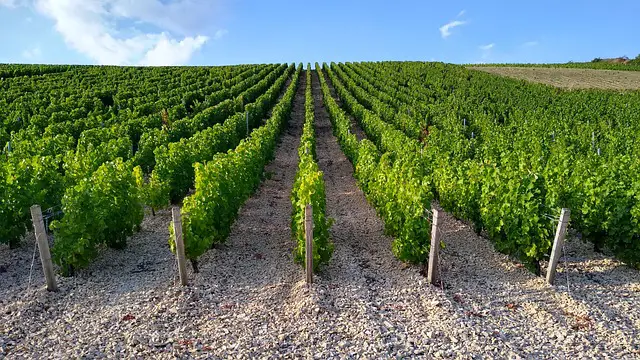
Types of Wine is an overarching taxonomical classification framework organizing the global world of viticulture by grape varietals, vinification methodologies, color spectrums, sweetness levels, effervescence, and regional appellations.

Foundational Pillars (Start Here)

Master Red Guide

Syrah Red Wine: The Complete Guide to Flavors, Terroirs, and Global Styles

A foundational masterclass exploring major global red varietals, tannin structures, and regional terroir expressions.

Sparkling Taxonomy

Is Chardonnay Champagne or Wine? Navigating Wine Categories

Demystifying Champagne vs. still Chardonnay, sparkling vinification methods, and appellation legal boundaries.

Culinary Synergy

What Wine with Indian Food? Curating Indian Cuisine Pairings

Solving complex culinary challenges: pairing aromatic whites and fruit-forward reds with spiced Indian cuisines.

The Global Wine Taxonomy: Classifications, Vinification & Terroir

Navigating the immense world of wine requires an oenological framework dividing wines into five foundational categories: Red, White, Rosé, Sparkling, and Fortified/Dessert. Each category is defined by grape varietal genetics, skin maceration time, temperature-controlled fermentation protocols, and maturation vessels (stainless steel, concrete eggs, or oak barriques). In red wines, grape skins remain in contact with must throughout fermentation, extracting tannins, color pigments (anthocyanins), and resveratrol.

In white wines, grapes are pressed immediately to ferment clear juice, emphasizing vibrant acidity, floral terpenes, and crisp fruit. Sparkling wines incorporate secondary fermentation to trap effervescent carbon dioxide, while fortified wines (like Port, Sherry, and Madeira) arrest fermentation through the addition of high-proof grape spirits to preserve natural sugars and ensure extraordinary stability. Understanding these foundational axes allows any enthusiast to predict flavor, body, and pairing compatibility instantly.

Master Wine Classification & Structural Overview

Primary Wine TypeKey Vinification MethodTypical Alcohol (ABV)Benchmark Global Examples
Full-Bodied Red WineExtended skin maceration (2–4 weeks); oak aging13.5%–15.5%Cabernet Sauvignon, Syrah/Shiraz, Nebbiolo, Malbec
Light/Medium Red WineShort maceration; gentle extraction; neutral casks12.0%–13.5%Pinot Noir, Gamay (Beaujolais), Sangiovese, Grenache
Crisp Mineral WhiteStainless steel fermentation; cold settling; no oak11.5%–13.0%Sauvignon Blanc, Pinot Grigio, Chablis, Albariño
Rich Full-Bodied WhiteOak barrel fermentation; malolactic conversion; batonnage13.0%–14.5%Oaked Chardonnay, Viognier, White Rhône blends
Sparkling WineMéthode Traditionnelle or Charmat tank method11.0%–12.5%Champagne, Prosecco, Cava, Franciacorta
Fortified & Dessert WineNeutral grape spirit fortification or noble rot / drying15.0%–20.0%Vintage Port, Oloroso Sherry, Sauternes, Tokaji

Topic Directory & Expert Guides

Frequently Asked Questions

How many main types of wine are there?

The five fundamental categories of wine are Red, White, Rosé, Sparkling, and Fortified/Dessert. Each category encompasses hundreds of distinct varietals and regional appellations.

What determines whether a wine is light, medium, or full-bodied?

Body is dictated by alcohol content, extract (soluble solids), tannin level, and oak aging. Wines with over 13.5% ABV generally feel richer and heavier on the palate.

Can white wine be made from red grapes?

Yes. Because almost all red grapes have clear juice, pressing grapes immediately without skin contact yields white wine (known as Blanc de Noirs, common in Champagne).

Mixing Taylor Port Wine: Ideas for Unique Cocktail Combinations

Are you bored of the same old cocktail recipes? Shake things up with Taylor Port Wine! This versatile drink can be mixed with a range of flavors, from citrusy fruits to spicy ingredients. Try a Port and Tonic for a refreshing twist or mix it with ginger beer for a bold and zesty concoction. Whether you prefer sweet or savory, there's a Taylor Port Wine cocktail out there waiting to be discovered. Get creative and enjoy a delightful experience with this iconic Portuguese beverage. Cheers!

0 Comments

How Long Can Wine Be Stored at 75 Degrees? Storage Tips

When it comes to storing wine, temperature is crucial. At 75 degrees, wine begins to age rapidly, losing its flavor and quality. It is recommended to store wine at a temperature between 45-65 degrees for optimal aging. Ensure your wine collection remains in top shape by following these storage tips to preserve its taste and character. Cheers!

0 Comments

How Much Is a Champagne Diamond Worth? Gemstone Valuation

When determining the worth of a champagne diamond, several factors come into play. These include the carat weight, color intensity, clarity, and cut quality. While a broad range of prices exists, champagne diamonds are generally more affordable compared to colorless diamonds. To get an accurate valuation, it's advisable to consult with a certified gemologist who can assess these attributes and provide an estimation that suits your specific needs and preferences.

0 Comments

Does Red Wine Vinegar Have Alcohol? Unveiling the Truth

Red wine vinegar is a common ingredient in salads and marinades, but many wonder - does it contain alcohol? The truth is, during the fermentation process, alcohol is converted into acetic acid. As a result, red wine vinegar has negligible alcohol content, usually less than 0.5%. However, pregnant individuals and those with alcohol sensitivities should exercise caution. Overall, red wine vinegar adds a delicious tang to dishes without the boozy effect.

0 Comments

How to Pronounce Sangiovese Wine: Pronunciation Guide

Sangiovese, one of Italy's most celebrated red wines, can be a mouthful to pronounce. Fear not, we're here to help! The correct pronunciation is "san-joh-VAY-zeh." This native grape variety boasts a rich history and diverse flavors, making it a favorite among wine enthusiasts. So, next time you're at a wine tasting, impress your friends by confidently ordering a glass of Sangiovese!

0 Comments

What Happened to Bartles and Jaymes Wine Coolers? Nostalgic Reflections

Bartles and Jaymes wine coolers, popular during the 80s and 90s, were once a staple at parties. However, their presence seems to have faded over time, leaving many wondering what happened to this nostalgic beverage. This article aims to discover the reasons behind their decline, reflecting on the changing beverage landscape and consumer preferences. Join us as we delve into this retro phenomenon and explore the disappearance of Bartles and Jaymes wine coolers.

0 Comments

Can You Mix Chardonnay with Juice? Innovative Mixology with Wine

When it comes to mixology, exploring new flavor combinations is key. But can you mix Chardonnay with juice? The answer is yes! Chardonnay, with its versatile and fruit-forward characteristics, can provide an interesting twist to your favorite juice cocktails. In this article, we will delve into the world of innovative mixology with wine and discover some delicious ways to blend Chardonnay with different juices. Cheers to new possibilities!

0 Comments

Is Sauvignon Blanc Drier Than Chardonnay? Exploring Dry White Wines

Sauvignon Blanc and Chardonnay are both popular dry white wines, but is one drier than the other? While it ultimately depends on the winemaker's style, Sauvignon Blanc tends to have a crisper, higher acidity, giving it a drier sensation. On the other hand, Chardonnay often undergoes malolactic fermentation, resulting in a richer texture and slightly sweeter perception. These distinctions make both wines unique and offer different experiences for wine enthusiasts.

0 Comments

Can Red Wine Cause Black Stool? Understanding Effects

Red wine is hailed for its health benefits, but it may cause a concerning side effect: black stool. This discoloration is usually harmless and caused by tannins and compounds like iron. However, it's essential to differentiate it from more serious conditions, such as gastrointestinal bleeding. If the black stool persists or is accompanied by other symptoms, it's crucial to consult a healthcare professional for further evaluation. Understanding the effects of red wine on stool color can help us make informed choices about our health.

0 Comments

Is There Wheat in Prosecco? Navigating Wheat Concerns

Prosecco has been gaining popularity worldwide, but for those with wheat concerns, a crucial question arises: Does it contain wheat? The answer is simple and reassuring. Prosecco is typically made entirely from grapes, making it naturally gluten-free. However, caution is advised, as some low-quality versions might employ additives. By choosing reputable brands and carefully reading labels, concerned individuals can freely enjoy the bubbly delight of Prosecco worry-free. Cheers!

0 Comments

Wine for Plants: Can Your Garden Benefit from It?

Wine for Plants: Can Your Garden Benefit from It?Many gardeners are beginning to explore the idea of using wine as a natural fertilizer for their plants. But does it really work? Research suggests that wine can provide various nutrients to plants, acting as a growth stimulant. However, it's important to use it in moderation and dilute it with water to prevent any adverse effects. While not a magical elixir, wine can play a small role in supporting your garden's health. So, why not give it a try and raise a toast to your flourishing plants?

0 Comments

How to Use a Wine Chiller: Keeping Wines at Ideal Temperatures

Whether you're a wine connoisseur or a casual sipper, knowing how to use a wine chiller is essential. This article will guide you through the steps of keeping your wines at their ideal temperatures. With a few simple techniques, you can ensure that every bottle is served at its best, enhancing the flavor and overall enjoyment of your favorite wines.

0 Comments

How to Say Wine in Spanish: Expanding Your Vocabulary

Wine culture is a global phenomenon, and learning how to say "wine" in different languages can enhance your appreciation. In Spanish, it's "vino." With this simple word in your vocabulary, you'll feel confident discussing wine with Spanish-speaking enthusiasts. Expand your horizons and embrace the rich world of Spanish wine by expanding your linguistic skills. Cheers to discovering a new world of flavors!

0 Comments

Sweet Showdown: Pinot Grigio vs. Sauvignon Blanc

When it comes to white wine, two popular contenders stand out: Pinot Grigio and Sauvignon Blanc. Both wines have their unique traits and fervent fans. Pinot Grigio offers crispness and a light body, while Sauvignon Blanc boasts vibrant acidity and zesty flavors. In this sweet showdown, we delve into the characteristics of each wine, helping you make an informed choice for your next glass. So, sit back, relax, and let's explore these delightful wines!

0 Comments

A Good Sweet Champagne: Exploring Deliciously Sweet Bubbly

When it comes to champagne, the sweetness level can vary greatly. For those with a sweet tooth, finding a good sweet champagne can be a delightful experience. These deliciously sweet bubblies offer a perfect balance between fruity flavors and refreshing effervescence. With a wide range of options available, from demi-sec to doux, there is something to suit every palate. Whether you prefer sweeter notes of ripe peaches or a hint of honey, exploring the world of sweet champagne is sure to leave you craving for more.

0 Comments

What Cheese Goes with Red Wine? Perfect Pairings

When it comes to pairing red wine with cheese, it's crucial to strike a balance. A bold red like Cabernet Sauvignon goes well with aged cheeses like Cheddar or Gouda, while a smoother Merlot pairs wonderfully with Brie or Camembert. A robust Shiraz complements the sharpness of Blue cheese, and a fruity Pinot Noir loves the creaminess of goat cheese. Remember, there are no hard rules, so don't be afraid to experiment with different combinations to find your perfect match.

0 Comments

Can I Use Prosecco for Cooking? Bubbling in the Kitchen

Prosecco's effervescence lends itself perfectly to cooking, adding a delightful touch to your culinary endeavors. Whether you're simmering delicate seafood or making a decadent sauce, using Prosecco can enhance flavors and create a unique taste profile. However, be mindful of the alcohol content, as it may not fully evaporate during cooking. So, grab a bottle of Prosecco, get creative, and let the bubbles dance in your kitchen!

0 Comments