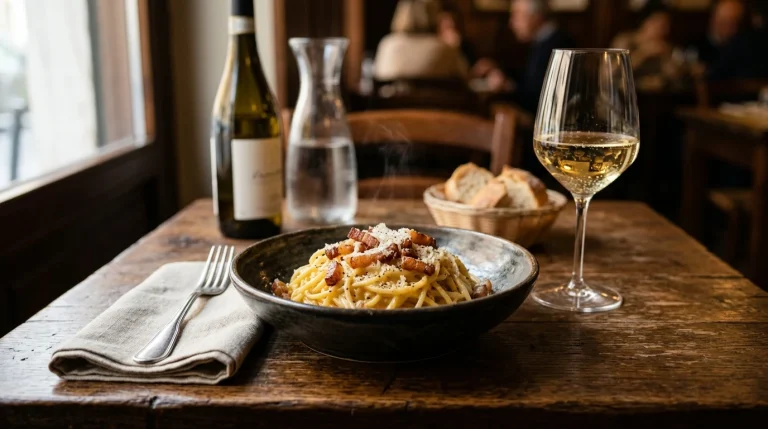
When you search for types of wine coolers drinks, you likely want refreshing beverages rather than storage appliances. These refreshing options range from traditional fruit-infused wine blends to modern canned spritzers. We tested dozens of these popular summer drinks to find the best options for your next party.
You will discover exactly how these beverages evolved over the past four decades. However, one hidden ingredient separates a cheap hangover-inducing bottle from a premium sipping experience.
Obsah
- What Are Wine Coolers Drinks? (Beverage vs. Wine Fridge Ambiguity)
- Classic Fruit Coolers vs. Modern Low-ABV Ready-to-Drink (RTD) Canned Cocktails
- Wine Spritzer and Sangria-Style Drinks: Homemade Wine Cooler Alternatives
- How to Make Refreshing Wine Coolers at Home (Lazy Bartending Tips)
- Choosing the Best Chillable Reds and Wines for DIY Spritzers
- Malt-Based Flavored Beverages vs. Authentic Wine-Based Coolers
- Drink vs. Appliance: Quick Guide to Dual-Zone and Single-Zone Wine Fridge Cooling
- Final Thoughts on Wine Cooler Drinks and Frequently Asked Questions
- Frequently Asked Questions
What Are Wine Coolers Drinks? (Beverage vs. Wine Fridge Ambiguity)
People often confuse a refreshing drink with a physical wine fridge. A true wine cooler beverage mixes real wine with fruit juice and carbonation.
This crisp combination creates a vibrant Spritzer (a mixture of wine and sparkling water). Meanwhile, the appliance version uses Thermoelectric cooling systems to keep bottles chilled without vibration.
We want to clear up this common confusion immediately:
- Beverage: Delivers instant flavor, light carbonation, and summer refreshment.
- Appliance: Protects your long-term liquid investments with temperature control.

Classic Fruit Coolers vs. Modern Low-ABV Ready-to-Drink (RTD) Canned Cocktails
During the 1980s, sweet fruit coolers dominated summer parties everywhere. Iconic brands like Bartles & Jaymes defined this era with sugary, highly carbonated recipes.
Today, modern consumers demand healthier, craft-oriented options. This shift drives the rapid premiumization of the entire beverage market.
You can now find sophisticated low-ABV options (under 5% alcohol by volume) on grocery shelves. Modern Ready-to-Drink (RTD) beverages offer complex flavor profiles in convenient canned cocktails.
If you enjoy exploring classic spirit-based drinks, you will appreciate this quality upgrade. The new generation uses real botanical extracts instead of synthetic flavorings.
Wine Spritzer and Sangria-Style Drinks: Homemade Wine Cooler Alternatives
You do not have to buy pre-made bottles to enjoy these beverages. A simple wine spritzer requires only two basic ingredients from your local store.
Simply mix your favorite crisp white wine with heavily chilled club soda. For a richer flavor profile, craft sangria-style concoctions in large pitchers for your guests.
Traditional Sangria (a Spanish punch of wine, chopped fruit, and spirits) offers endless customization. These homemade options save money and cut out artificial sweeteners.
You completely control the sweetness level and fruit intensity of every single glass.
How to Make Refreshing Wine Coolers at Home (Lazy Bartending Tips)
Creating your own summer drinks requires zero professional skills. We strongly champion the lazy bartending approach for casual backyard gatherings.
Simply follow this easy 3-step formula:
- Ratio: Pour three parts crisp wine and one part soda over fresh ice.
- Chill Hack: Toss in frozen berries to keep the drink cold without dilution.
- Spirit Twist: Try combining wine with other spirits for added complexity.
This simple method guarantees perfect, fast refreshment every single time. Your friends will think you spent hours preparing these vibrant drinks.
Choosing the Best Chillable Reds and Wines for DIY Spritzers
White wines traditionally serve as the ideal base for mixed drinks. However, modern bartenders now eagerly embrace chillable reds (light red wines served cold) for summer mixing.
A bright, fruit-forward Pinot Noir adds fantastic depth to dark berry recipes. Meanwhile, an acidic Sauvignon Blanc pairs perfectly with sharp citrus like grapefruit or lime.
You can easily elevate your hosting skills by perfecting your wine and whiskey pairings alongside these custom spritzers. Always choose high-acid wines to balance added sweetness.
Malt-Based Flavored Beverages vs. Authentic Wine-Based Coolers
Many popular bottled drinks in the cooler aisle do not actually contain any wine. Tax law changes in the early 1990s forced major brands to alter their original recipes.
Malt-Based Beverages
Uses fermented grain (barley) instead of grapes.
- Common Brands: Seagram’s Escapes
- Flavor Profile: Sweeter, heavier finish
- Cost: Lower production cost & retail price
Authentic Wine Coolers
Uses a true Malt Beverage alternative: genuine wine base.
- Ingredients: Real wine + fruit juice + soda
- Flavor Profile: Crisp, acidic, vibrant finish
- Quality: Premium taste & natural fruitiness
You must read the ingredient label carefully to find authentic wine-based options. True wine bases offer a crisper finish than heavier malt alternatives.
Drink vs. Appliance: Quick Guide to Dual-Zone and Single-Zone Wine Fridge Cooling
You might actually need a dedicated appliance to keep your summer beverages perfectly cold. Storage temperature plays a massive role in preserving flavor quality.
A single-zone cooler maintains one steady temperature for all stored bottles. A more advanced dual-zone model offers two separate temperature sections for reds and whites.
These modern appliances often use robust Compressor cooling technology for rapid chilling. A dedicated temperature-controlled environment ensures your drinks always taste their best while preventing premature oxidation.
Final Thoughts on Wine Cooler Drinks and Frequently Asked Questions
We hope this definitive guide helps you navigate the confusing beverage market. You now know how to spot premium ingredients and craft simple homemade recipes.
The evolution of these drinks offers better, healthier options for everyone today. Read through our frequently asked questions below for even more quick tips.
Frequently Asked Questions
What are the main types of wine coolers drinks available today?
The main types of wine coolers drinks range from traditional fruit coolers made with white or rose wine to modern canned cocktails and wine spritzer options. While classic 1980s varieties relied on fruit juice and carbonation, contemporary choices include low-ABV Ready-to-Drink (RTD) beverages and sangria-style blends.
What is the difference between a wine cooler drink and a malt beverage?
Authentic wine coolers are produced using a wine base mixed with fruit juice and carbonated water. In contrast, many commercial bottled coolers are actually malt beverages brewed from barley. Tax regulations in the 1990s caused major brands like Bartles & Jaymes to switch from wine to malt bases for cost efficiency.
How do you make a quick homemade wine spritzer?
To craft an easy wine spritzer at home, mix three parts chilled white wine or chillable reds with one part club soda or flavored sparkling water over ice. Garnish with fresh citrus slices or berries. This lazy bartending approach yields a crisp, low-ABV refreshing drink perfect for warm summer days.
Are modern canned wine spritzers healthier than 80s wine coolers?
Yes, modern canned wine coolers and spritzers generally contain significantly less added sugar and artificial flavorings than 1980s commercial versions. Today’s premium RTD canned cocktails prioritize real fruit juice, natural ingredients, and lower overall calorie counts while preserving a refreshing, sophisticated flavor profile.
Why is a wine drink called a wine cooler while appliances share the same name?
The term wine cooler originally defined a chilled wine cocktail. Over time, manufacturers adopted the phrase to market temperature-controlled refrigeration units designed for storing wine bottles. Today, single-zone and dual-zone wine fridge appliances share the name, though they serve a completely different purpose than the beverage.
What wines work best for making fruit coolers at home?
High-acid, crisp white wines like Sauvignon Blanc, Pinot Grigio, or Riesling make ideal bases for fruit coolers. Light Rosé and versatile chillable reds such as Pinot Noir or Gamay also pair exceptionally well with sparkling water, citrus juices, and fresh fruit infusions for homemade sangria-style drinks.
[contact-form-7 id=”1″ title=”Contact Form”]
Get our latest guides, news, and insights highlighted in your Google Search & AI Overviews.