Types of Wine is an overarching taxonomical classification framework organizing the global world of viticulture by grape varietals, vinification methodologies, color spectrums, sweetness levels, effervescence, and regional appellations.

Foundational Pillars (Start Here)

Master Red Guide

Syrah Red Wine: The Complete Guide to Flavors, Terroirs, and Global Styles

A foundational masterclass exploring major global red varietals, tannin structures, and regional terroir expressions.

Sparkling Taxonomy

Is Chardonnay Champagne or Wine? Navigating Wine Categories

Demystifying Champagne vs. still Chardonnay, sparkling vinification methods, and appellation legal boundaries.

Culinary Synergy

What Wine with Indian Food? Curating Indian Cuisine Pairings

Solving complex culinary challenges: pairing aromatic whites and fruit-forward reds with spiced Indian cuisines.

The Global Wine Taxonomy: Classifications, Vinification & Terroir

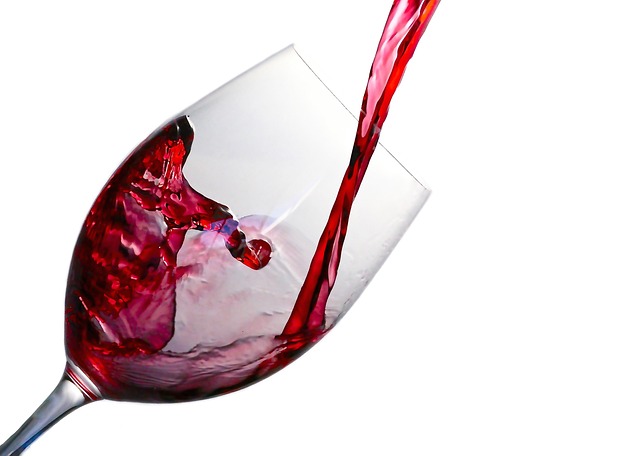
Navigating the immense world of wine requires an oenological framework dividing wines into five foundational categories: Red, White, Rosé, Sparkling, and Fortified/Dessert. Each category is defined by grape varietal genetics, skin maceration time, temperature-controlled fermentation protocols, and maturation vessels (stainless steel, concrete eggs, or oak barriques). In red wines, grape skins remain in contact with must throughout fermentation, extracting tannins, color pigments (anthocyanins), and resveratrol.

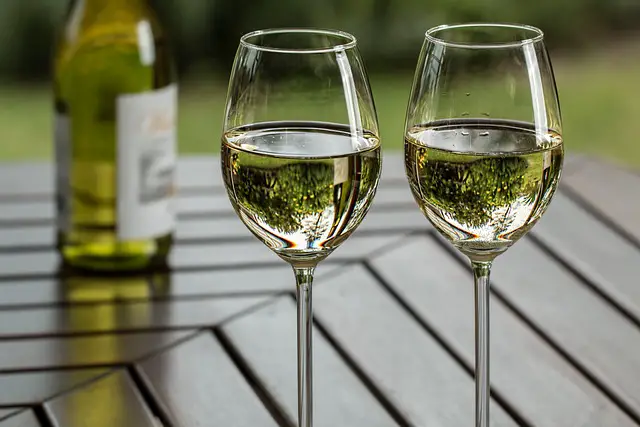
In white wines, grapes are pressed immediately to ferment clear juice, emphasizing vibrant acidity, floral terpenes, and crisp fruit. Sparkling wines incorporate secondary fermentation to trap effervescent carbon dioxide, while fortified wines (like Port, Sherry, and Madeira) arrest fermentation through the addition of high-proof grape spirits to preserve natural sugars and ensure extraordinary stability. Understanding these foundational axes allows any enthusiast to predict flavor, body, and pairing compatibility instantly.

Master Wine Classification & Structural Overview

Primary Wine TypeKey Vinification MethodTypical Alcohol (ABV)Benchmark Global Examples
Full-Bodied Red WineExtended skin maceration (2–4 weeks); oak aging13.5%–15.5%Cabernet Sauvignon, Syrah/Shiraz, Nebbiolo, Malbec
Light/Medium Red WineShort maceration; gentle extraction; neutral casks12.0%–13.5%Pinot Noir, Gamay (Beaujolais), Sangiovese, Grenache
Crisp Mineral WhiteStainless steel fermentation; cold settling; no oak11.5%–13.0%Sauvignon Blanc, Pinot Grigio, Chablis, Albariño
Rich Full-Bodied WhiteOak barrel fermentation; malolactic conversion; batonnage13.0%–14.5%Oaked Chardonnay, Viognier, White Rhône blends
Sparkling WineMéthode Traditionnelle or Charmat tank method11.0%–12.5%Champagne, Prosecco, Cava, Franciacorta
Fortified & Dessert WineNeutral grape spirit fortification or noble rot / drying15.0%–20.0%Vintage Port, Oloroso Sherry, Sauternes, Tokaji

Topic Directory & Expert Guides

Frequently Asked Questions

How many main types of wine are there?

The five fundamental categories of wine are Red, White, Rosé, Sparkling, and Fortified/Dessert. Each category encompasses hundreds of distinct varietals and regional appellations.

What determines whether a wine is light, medium, or full-bodied?

Body is dictated by alcohol content, extract (soluble solids), tannin level, and oak aging. Wines with over 13.5% ABV generally feel richer and heavier on the palate.

Can white wine be made from red grapes?

Yes. Because almost all red grapes have clear juice, pressing grapes immediately without skin contact yields white wine (known as Blanc de Noirs, common in Champagne).

Should I Stir My Wine During Primary Fermentation? Winemaking Tips

When it comes to winemaking, one question that often arises is whether stirring the wine during primary fermentation is necessary. While there's no one-size-fits-all answer, stirring can offer several benefits, including improved extraction of color and flavor compounds. However, it's important to note that excessive stirring can lead to oxidation or off flavors. Winemakers need to strike a balance and use their judgement based on the specific wine they are making. Ultimately, stirring during primary fermentation is a technique that can enhance the final product if done correctly.

0 Comments

How to Make Champagne Wall: Creating Bubbly Home Decor

Creating a champagne wall can add a touch of elegance and sophistication to your home decor. It's a simple yet eye-catching way to showcase your love for bubbly. Whether you're hosting a party or simply want to elevate your everyday living space, follow these steps to make your own champagne wall and enjoy the sparkling charm it brings to your home.

0 Comments

What’s the Driest White Wine? Exploring Dry Varieties

When it comes to dry white wines, certain varieties stand out for their exceptionally low sugar content. Sancerre, Sauvignon Blanc, and Chardonnay are among the driest options available. These wines boast zesty acidity and vibrant flavors, making them a popular choice for those who prefer a crisp and refreshing taste. Whether you're pairing it with seafood or enjoying it on its own, these dry white wines are sure to satisfy your palate.

0 Comments

Which La Crema Chardonnay Is Better? Navigating La Crema’s Selection

La Crema, a renowned winery, offers a variety of Chardonnays that can make choosing the perfect one a daunting task. But fret not! In this article, we'll navigate through La Crema's selection, comparing their different Chardonnays to help you find the one that suits your taste buds and preferences. From the classic Sonoma Coast to the rich and full-bodied Russian River Valley, we'll delve into the distinct characteristics of each bottle, ensuring you make an informed choice. Join us as we explore the world of La Crema Chardonnay and discover which one reigns supreme!

0 Comments

A to Z Wineworks Pinot Gris Reviews: Insights from Enthusiasts

A to Z Wineworks Pinot Gris has been impressing wine enthusiasts with its distinctive flavors and exceptional quality. According to reviews, this wine offers a delightful balance of crispness and richness. With its refreshing citrus notes and hints of tropical fruit, it pairs perfectly with seafood and light dishes. Whether enjoyed on its own or as an accompaniment, A to Z Wineworks Pinot Gris is sure to leave a lasting impression.

0 Comments

Serve Cabernet Sauvignon Like a Pro: Ideal Serving Temperature

Whether you're a wine connoisseur or simply enjoy a glass now and then, serving Cabernet Sauvignon at the ideal temperature can enhance your experience. Aim for around 60-65°F (16-18°C) to unlock its full potential. This allows the tannins to soften and the aromas to flourish, creating a harmonious balance on your palate. Remember, serving temperature matters, so chill or warm up your bottle accordingly for a gratifying sip every time.

0 Comments

How to Spray Champagne for Pictures: Capturing Festive Moments

Spraying champagne for pictures adds a touch of celebratory flair to any event. To capture those festive moments perfectly, follow these simple steps. Ensure a secure grip on the bottle, aim it away from others, and gently pop the cork. Hold the bottle at a 45-degree angle, allowing the champagne to flow smoothly. Practice control over the spray to avoid wastage. Experiment with different angles and lighting for dynamic shots. Remember, safety first and enjoy the bubbly fun!

0 Comments

Can You Engrave Champagne Bottles? Personalizing Bubbly Gifts

When it comes to adding a personal touch to a celebratory gift, why not consider engraving champagne bottles? Yes, you can personalize those bubbly delights with special messages or designs. Whether it's a wedding, anniversary, or any grand occasion, engraving champagne bottles adds a unique and memorable touch. It's the perfect way to make a gift extra special and show your thoughtfulness. From names and dates to custom designs, the options are endless. So, raise a glass and surprise your loved ones with an engraved champagne bottle that truly reflects the occasion. Cheers to personalized bubbly gifts!

0 Comments

Where Is the Expiration Date on Wine Bottles? Finding It

When it comes to wine bottles, you might be surprised to learn that there isn't an expiration date stamped on them. While there is no uniform system, some winemakers include a "best by" or "drink by" date voluntarily. However, the absence of a date doesn't mean the wine will spoil. Generally, red wines can be safely stored for up to five years, while whites last around three years. Sparkling wines and Champagne can be enjoyed within three or four years. It's important to note that these timeframes vary based on the wine's quality, storage conditions, and grape variety. The best way to determine if a bottle has gone bad is to use your senses: look for discoloration or sediments and sniff for undesirable odors. Ultimately, proper storage and care can extend the life of your wine collection.

0 Comments

Is Pinot Grigio Champagne? Differentiating Wine and Bubbly

When it comes to the world of wine, distinguishing between different types can sometimes be challenging. One common misconception is considering Pinot Grigio as champagne. In reality, these are two distinct beverages. Champagne refers specifically to sparkling wine produced in the Champagne region of France, while Pinot Grigio is a white wine originating from Italy. Understanding the unique characteristics and production methods of each will help wine enthusiasts appreciate and differentiate between them.

0 Comments

How to Put a Cork Back in a Champagne Bottle: Re-Sealing Tips

Putting a cork back in a champagne bottle may seem like a daunting task, but fear not! With a little know-how, you can reseal that bubbly goodness effortlessly. From removing the wire cage to aligning the cork and applying gentle pressure, we've got you covered. Read on to discover our top tips for resealing a champagne bottle and preserving those fizzy delights for later enjoyment. Cheers!

0 Comments

What is Prosecco Cream Sauce? Culinary Creaminess

Prosecco cream sauce is a delectable culinary creation that beautifully combines the richness of cream with the unique flavors of Prosecco wine. This silky sauce boasts a light and refreshing taste, perfect for enhancing pasta dishes or drizzling over seafood. With its delicate bubbles and subtle sweetness, Prosecco cream sauce adds a touch of elegance to any meal. Whether you are a seasoned chef or a cooking enthusiast, this sauce is sure to impress your taste buds and make your dining experience unforgettable.

0 Comments

Who Sent Sharon the Champagne? Mystery Unveiled – Y&R Edition

In the latest episode of The Young and the Restless (Y&R), viewers were left wondering who sent Sharon the luxurious bottle of champagne. However, the mystery has finally been unveiled. In an unexpected plot twist, it was revealed that the champagne was a gift from her long-lost sister. Stay tuned for more surprising revelations in this captivating Y&R storyline.

0 Comments

What Wine Goes with Alfredo? Delicious Pasta Combinations

When it comes to pairing wine with Alfredo pasta, there are a few options that perfectly complement its creamy and indulgent flavors. A rich Chardonnay or a buttery Pinot Grigio make great choices, enhancing the dish's richness. For a red wine alternative, a light or medium-bodied Pinot Noir can harmonize well with the Alfredo sauce. Ultimately, it all boils down to personal preference, so feel free to experiment and discover your own perfect pasta-wine combination.

0 Comments

Stoneleigh Sauvignon Blanc: Your Passport to Wine Paradise

If you're seeking a wine that can transport you to wine paradise, look no further than Stoneleigh Sauvignon Blanc. This exquisite New Zealand varietal will tantalize your taste buds with its vibrant citrus flavors, crisp acidity, and refreshing finish. With its perfect balance of fruitiness and herbaceousness, Stoneleigh Sauvignon Blanc is your ultimate passport to an unforgettable wine experience. Savor the essence of wine paradise with every sip.

0 Comments

Best Pinot Gris: Elevating Your Wine Collection

If you're looking to elevate your wine collection, pinot gris is a must-have. Known for its versatility, this white wine offers a delightful combination of crispness and rich flavors. From Oregon's Willamette Valley to Italy's Friuli-Venezia Giulia, we've compiled a list of the best pinot gris to add to your cellar. Discover the unique profiles, food pairings, and vineyard insights that make these bottles a worthy investment for any wine enthusiast. Cheers!

0 Comments