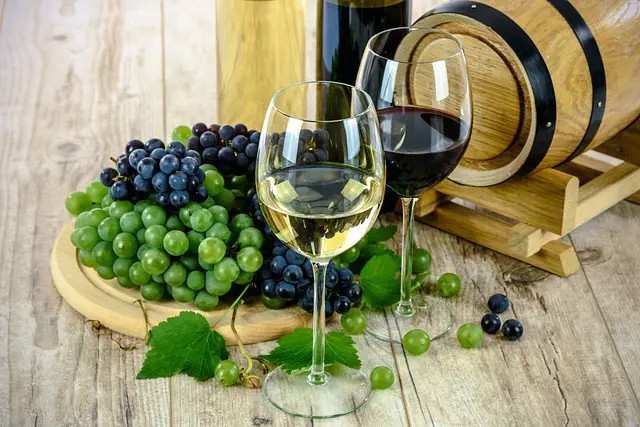
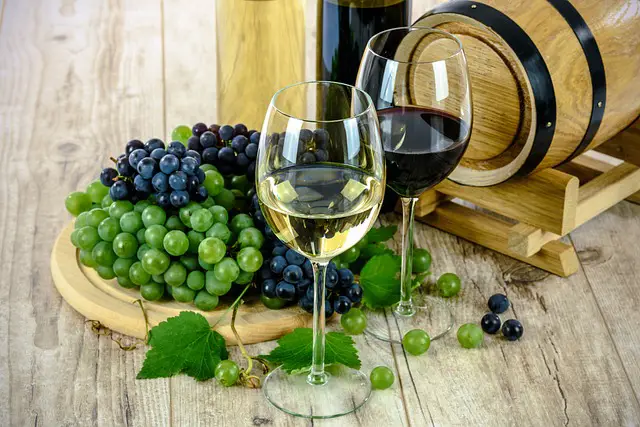
Types of Wine is an overarching taxonomical classification framework organizing the global world of viticulture by grape varietals, vinification methodologies, color spectrums, sweetness levels, effervescence, and regional appellations.

Foundational Pillars (Start Here)

Master Red Guide

Syrah Red Wine: The Complete Guide to Flavors, Terroirs, and Global Styles

A foundational masterclass exploring major global red varietals, tannin structures, and regional terroir expressions.

Sparkling Taxonomy

Is Chardonnay Champagne or Wine? Navigating Wine Categories

Demystifying Champagne vs. still Chardonnay, sparkling vinification methods, and appellation legal boundaries.

Culinary Synergy

What Wine with Indian Food? Curating Indian Cuisine Pairings

Solving complex culinary challenges: pairing aromatic whites and fruit-forward reds with spiced Indian cuisines.

The Global Wine Taxonomy: Classifications, Vinification & Terroir

Navigating the immense world of wine requires an oenological framework dividing wines into five foundational categories: Red, White, Rosé, Sparkling, and Fortified/Dessert. Each category is defined by grape varietal genetics, skin maceration time, temperature-controlled fermentation protocols, and maturation vessels (stainless steel, concrete eggs, or oak barriques). In red wines, grape skins remain in contact with must throughout fermentation, extracting tannins, color pigments (anthocyanins), and resveratrol.

In white wines, grapes are pressed immediately to ferment clear juice, emphasizing vibrant acidity, floral terpenes, and crisp fruit. Sparkling wines incorporate secondary fermentation to trap effervescent carbon dioxide, while fortified wines (like Port, Sherry, and Madeira) arrest fermentation through the addition of high-proof grape spirits to preserve natural sugars and ensure extraordinary stability. Understanding these foundational axes allows any enthusiast to predict flavor, body, and pairing compatibility instantly.

Master Wine Classification & Structural Overview

Primary Wine TypeKey Vinification MethodTypical Alcohol (ABV)Benchmark Global Examples
Full-Bodied Red WineExtended skin maceration (2–4 weeks); oak aging13.5%–15.5%Cabernet Sauvignon, Syrah/Shiraz, Nebbiolo, Malbec
Light/Medium Red WineShort maceration; gentle extraction; neutral casks12.0%–13.5%Pinot Noir, Gamay (Beaujolais), Sangiovese, Grenache
Crisp Mineral WhiteStainless steel fermentation; cold settling; no oak11.5%–13.0%Sauvignon Blanc, Pinot Grigio, Chablis, Albariño
Rich Full-Bodied WhiteOak barrel fermentation; malolactic conversion; batonnage13.0%–14.5%Oaked Chardonnay, Viognier, White Rhône blends
Sparkling WineMéthode Traditionnelle or Charmat tank method11.0%–12.5%Champagne, Prosecco, Cava, Franciacorta
Fortified & Dessert WineNeutral grape spirit fortification or noble rot / drying15.0%–20.0%Vintage Port, Oloroso Sherry, Sauternes, Tokaji

Topic Directory & Expert Guides

Frequently Asked Questions

How many main types of wine are there?

The five fundamental categories of wine are Red, White, Rosé, Sparkling, and Fortified/Dessert. Each category encompasses hundreds of distinct varietals and regional appellations.

What determines whether a wine is light, medium, or full-bodied?

Body is dictated by alcohol content, extract (soluble solids), tannin level, and oak aging. Wines with over 13.5% ABV generally feel richer and heavier on the palate.

Can white wine be made from red grapes?

Yes. Because almost all red grapes have clear juice, pressing grapes immediately without skin contact yields white wine (known as Blanc de Noirs, common in Champagne).

How Much Wine Is in a Carafe? Measuring Container Content

When it comes to ordering wine at a restaurant, you may have come across the term "carafe." But just how much wine does it actually hold? A standard carafe typically contains 750 milliliters, equivalent to one standard bottle. However, it's important to note that carafes can vary in size, ranging from 500 milliliters to 1 liter. To avoid any confusion, it's always best to ask your server for the exact capacity of their carafes before making your decision.

0 Comments

Is Mer Soleil Chardonnay Buttery? Indulge in Buttery Bliss

If you're on a quest for a buttery Chardonnay, look no further than Mer Soleil. Renowned for its luxurious texture and velvety mouthfeel, this exceptional wine delights with rich flavors of golden apples, vanilla, and toasted oak. Whether enjoyed on its own or paired with a decadent meal, Mer Soleil Chardonnay promises to deliver a blissful and indulgent experience for your palate. Cheers to buttery perfection!

0 Comments

What Is a Champagne Shower? Adding Luxury to Your Bath Experience

Have you ever heard of a champagne shower? No, we're not talking about popping bottles at a party. This luxurious bathing experience involves filling your bathtub with bubbly goodness. But before you go grabbing a bottle of Dom Pérignon, let's explore what a champagne shower really entails. From the benefits it offers to how it's done, we've got you covered. So sit back, relax, and discover how to elevate your bath time to a whole new level of opulence with a champagne shower.

0 Comments

How to Make Pomegranate Wine: A Flavorful DIY Project

Making pomegranate wine at home is a flavorful and rewarding DIY project. With its rich, tangy taste and vibrant color, pomegranate wine is a delightful addition to any wine lover's collection. By following a few simple steps, you can craft your own batch of this delicious and exotic wine. Let's dive into the process and discover how to make pomegranate wine from scratch.

0 Comments

What Is Dosage in Champagne? Understanding the Final Touch

Dosage in champagne refers to the addition of a final sugar solution before corking the bottles. This determines the sweetness level of the bubbly. Whether you prefer brut, extra brut or demi-sec, understanding dosage is key. It is a delicate art that dictates the flavor profile, balancing the acidity, and providing the finishing touch to the world's most celebrated sparkling wine. Let's uncork the secrets of dosage in champagne.

0 Comments

Does Cooking Wine Need to Be Refrigerated? Proper Storage

When it comes to cooking wine, many wonder if refrigeration is necessary. The answer is no. Cooking wine, with its high alcohol content, does not need to be refrigerated. Thanks to its preservative properties, it can be stored at room temperature. However, for optimal flavor, it's beneficial to keep it in a cool, dark place away from direct sunlight. Remember, always cork it tightly after each use to maintain its quality. Now you can confidently store your cooking wine with ease!

0 Comments

Is Syrah a Sweet Wine? Demystifying Its Sweetness

In the world of wine, Syrah is often misunderstood when it comes to sweetness. Contrary to popular belief, Syrah is not a sweet wine. With its deep, rich flavors and balanced acidity, Syrah is known for its full-bodied nature. Its ripe fruit flavors might give the impression of sweetness, but it is the careful winemaking process that brings out these vibrant characteristics. So, next time you come across a bottle of Syrah, you can confidently enjoy its complex flavors without worrying about it being overly sweet.

0 Comments

Will Golf for Champagne: A Golfer’s Quirky Motivation

Do you ever wonder what drives golfers to spend countless hours on the green? For some, it's the pure joy of the game. But for others, like the renowned golfer John Daly, it's something a bit more unconventional - champagne. Yes, you read that right. Daly, known for his eccentricities, has openly admitted that his motivation to excel in golf comes from his love for the bubbly beverage. Although unconventional, this quirky motivation has fueled Daly's career and serves as a reminder that there's no one-size-fits-all approach to success in golf. So the next time you see a golfer raising a glass of champagne after a round, remember that they may just be toasting to their own unique form of inspiration.

0 Comments

Where to Buy Orange Wine: Exploring Trendy Selections

Orange wine, the latest trend in the wine world, offers a unique and vibrant experience. But where can you find this trendy selection? Look no further! We'll guide you through the best places to buy orange wine. From local boutique shops to online retailers, we'll help you explore this fascinating wine category and elevate your tasting experience. Get ready to embark on a flavorful journey with these trendy orange wines!

0 Comments

How to Drink Sauvignon Blanc: A Refreshing Experience

Sauvignon Blanc is a crisp, aromatic white wine perfect for a refreshing experience. To drink it best, serve chilled around 45°F. Swirl the glass gently to release its vibrant aromas. Take a small sip and let it coat your palate, savoring its zesty citrus notes and herbaceous flavors. Pair it with seafood or goat cheese for a perfect match. Enjoy the bright acidity and lively character of this delightful wine. Cheers!

0 Comments

How Do You Pronounce Syrah? Phonetics and Pronunciation

Syrah, the famed red wine grape, often leaves wine enthusiasts questioning its correct pronunciation. To help you sound like a pro, let's delve into the phonetics of Syrah. Pronounced as "si-rä," with the emphasis on the first syllable, this elegant varietal is surely a tongue twister. Remember, next time you sip on a glass of Syrah, impress your friends with your accurate pronunciation. Cheers!

0 Comments

What Type of Wine is Sangiovese? Navigating the Varieties

Sangiovese, a classic Italian grape variety, is recognized for its versatile nature. It thrives in various regions, producing varying styles of wine. From fresh and fruity to rich and complex, Sangiovese wines offer something for everyone. Whether you prefer the iconic Chianti, the bold Brunello di Montalcino, or the elegant Vino Nobile di Montepulciano, exploring different Sangiovese varieties will surely delight your palate. So, dive in and embrace the diverse world of Sangiovese wines.

0 Comments

Can You Put a Cork Back in a Champagne Bottle? Re-Sealing Techniques

Re-sealing a champagne bottle might seem like a tricky task, but with the right techniques, it can be done effortlessly. While putting a cork back in is possible, it's important to understand the proper method to ensure the bottle remains airtight and the bubbly goodness stays intact. In this article, we will explore effective re-sealing techniques to help you keep the fizz in your champagne bottle.

0 Comments

Where’s Linus Wine? A Quest for the Perfect Bottle

Are you on a never-ending search for the perfect bottle of wine? Look no further than "Where's Linus Wine?" This article dives into the quest to discover that elusive, delightful concoction. We explore the journey, expert opinions, and helpful tips to help you navigate the world of wine. Cheers to finding your Linus!

0 Comments

Unveiling the Mystery: Where to Find Vintage Wine DMZ MW2

If you're a wine enthusiast on the hunt for a rare gem, look no further than Vintage Wine DMZ MW2. This elusive wine is known for its exceptional quality and unique flavor profile. But where can you find it? Fear not – we've done the research for you. In this article, we'll unveil the mystery behind the whereabouts of Vintage Wine DMZ MW2. Get ready to embark on a delightful journey in search of this prized vintage. Stay tuned!

0 Comments

Do You Chill Syrah Wine? Serving Temperatures Explored

When it comes to serving Syrah wine, the temperature can make or break the experience. While many reds benefit from being served at room temperature, Syrah actually thrives when chilled slightly. By cooling it down to around 60°F (15°C), the flavors of this full-bodied wine become more vibrant and refreshing. However, be cautious not to overchill it, as this can mute the flavors and aromas. So, next time you uncork a bottle of Syrah, give it a slight chill and unlock a whole new level of enjoyment.

0 Comments

Are Syrah and Shiraz the Same? Decoding the Distinction

Are Syrah and Shiraz the same? Many wine enthusiasts puzzle over this. While they come from the same grape, they have distinct characteristics. Syrah is bold, elegant, and peppery, while Shiraz tends to be fruitier and fuller-bodied. So, next time you're at a wine shop, you'll confidently choose the one that suits your palate. Cheers!

0 Comments