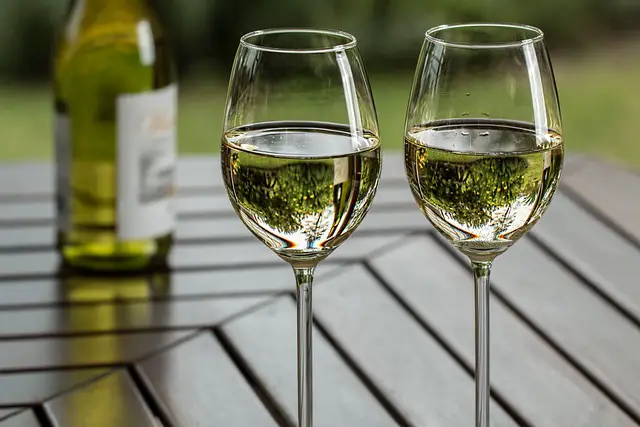
Types of Wine is an overarching taxonomical classification framework organizing the global world of viticulture by grape varietals, vinification methodologies, color spectrums, sweetness levels, effervescence, and regional appellations.

Foundational Pillars (Start Here)

Master Red Guide

Syrah Red Wine: The Complete Guide to Flavors, Terroirs, and Global Styles

A foundational masterclass exploring major global red varietals, tannin structures, and regional terroir expressions.

Sparkling Taxonomy

Is Chardonnay Champagne or Wine? Navigating Wine Categories

Demystifying Champagne vs. still Chardonnay, sparkling vinification methods, and appellation legal boundaries.

Culinary Synergy

What Wine with Indian Food? Curating Indian Cuisine Pairings

Solving complex culinary challenges: pairing aromatic whites and fruit-forward reds with spiced Indian cuisines.

The Global Wine Taxonomy: Classifications, Vinification & Terroir

Navigating the immense world of wine requires an oenological framework dividing wines into five foundational categories: Red, White, Rosé, Sparkling, and Fortified/Dessert. Each category is defined by grape varietal genetics, skin maceration time, temperature-controlled fermentation protocols, and maturation vessels (stainless steel, concrete eggs, or oak barriques). In red wines, grape skins remain in contact with must throughout fermentation, extracting tannins, color pigments (anthocyanins), and resveratrol.

In white wines, grapes are pressed immediately to ferment clear juice, emphasizing vibrant acidity, floral terpenes, and crisp fruit. Sparkling wines incorporate secondary fermentation to trap effervescent carbon dioxide, while fortified wines (like Port, Sherry, and Madeira) arrest fermentation through the addition of high-proof grape spirits to preserve natural sugars and ensure extraordinary stability. Understanding these foundational axes allows any enthusiast to predict flavor, body, and pairing compatibility instantly.

Master Wine Classification & Structural Overview

Primary Wine TypeKey Vinification MethodTypical Alcohol (ABV)Benchmark Global Examples
Full-Bodied Red WineExtended skin maceration (2–4 weeks); oak aging13.5%–15.5%Cabernet Sauvignon, Syrah/Shiraz, Nebbiolo, Malbec
Light/Medium Red WineShort maceration; gentle extraction; neutral casks12.0%–13.5%Pinot Noir, Gamay (Beaujolais), Sangiovese, Grenache
Crisp Mineral WhiteStainless steel fermentation; cold settling; no oak11.5%–13.0%Sauvignon Blanc, Pinot Grigio, Chablis, Albariño
Rich Full-Bodied WhiteOak barrel fermentation; malolactic conversion; batonnage13.0%–14.5%Oaked Chardonnay, Viognier, White Rhône blends
Sparkling WineMéthode Traditionnelle or Charmat tank method11.0%–12.5%Champagne, Prosecco, Cava, Franciacorta
Fortified & Dessert WineNeutral grape spirit fortification or noble rot / drying15.0%–20.0%Vintage Port, Oloroso Sherry, Sauternes, Tokaji

Topic Directory & Expert Guides

Frequently Asked Questions

How many main types of wine are there?

The five fundamental categories of wine are Red, White, Rosé, Sparkling, and Fortified/Dessert. Each category encompasses hundreds of distinct varietals and regional appellations.

What determines whether a wine is light, medium, or full-bodied?

Body is dictated by alcohol content, extract (soluble solids), tannin level, and oak aging. Wines with over 13.5% ABV generally feel richer and heavier on the palate.

Can white wine be made from red grapes?

Yes. Because almost all red grapes have clear juice, pressing grapes immediately without skin contact yields white wine (known as Blanc de Noirs, common in Champagne).

Is La Marca Prosecco Dry? Savoring La Marca’s Dryness

La Marca Prosecco, renowned for its exquisite taste, is often questioned for its dryness. In fact, La Marca Prosecco falls into the category of "Extra Dry," which may seem contradictory. However, this term indicates a subtle sweetness balanced by a refreshing acidity. The delightful balance of flavors is what sets La Marca Prosecco apart, making it perfect for any occasion.

0 Comments

Should a Chardonnay Be Chilled? Perfecting the Chill Factor

When it comes to Chardonnay, the question of whether it should be chilled often arises. The answer is yes, but not overly so. A slightly cool temperature of around 10-12°C (50-54°F) is ideal, as it preserves the wine's aromas and acidity. Avoid serving the wine too cold, as it can mute the flavors. Remember, a properly chilled Chardonnay can enhance your tasting experience, so be sure to get the chill factor just right.

0 Comments

Where Does Syrah Come From? Origins and History

Syrah, one of the world's most popular wine grape varietals, has a fascinating origin and history. Believed to originate from France's Rhône Valley, this robust red grape offers a rich and complex flavor profile. With its roots in ancient civilizations and subsequent spread across the globe, Syrah has left a lasting impact on the world of wine. Let's delve into the intriguing origins and captivating history of this renowned varietal.

0 Comments

What to Eat With Syrah? Culinary Matches

Syrah, a bold and full-bodied red wine, demands the perfect culinary companion. Delight your taste buds by pairing it with rich and savory dishes like grilled steak, lamb, or game meats. Enhance the experience further with bold spices, aged cheeses, or hearty stews. Opt for dark chocolate or fruity desserts to round off your Syrah experience. The robust flavors of this wine will undoubtedly shine when paired with these delightful culinary choices.

0 Comments

Unveiling the Truth: Is Primitivo the Same as Zinfandel?

Unveiling the Truth: Is Primitivo the Same as Zinfandel?When it comes to wine, the debate over Primitivo and Zinfandel's true identity has sparked curiosity. Let's settle the score once and for all. Although these two red varietals share a genetic origin, they're not identical twins. Discover the subtle differences and connections between the two wines, ensuring an enlightened sipping experience. Join us on a journey to uncork the truth and deepen your understanding of these extraordinary grape varieties.

0 Comments

Where Can I Sell Champagne? Exploring Selling Opportunities

Champagne, the iconic sparkling wine, is not limited to exclusive events. Whether you're a wine enthusiast or a business owner, there are numerous selling opportunities available. From fine dining establishments and online platforms to local retailers and specialized wine shops, exploring these diverse avenues will ensure your bubbly stock finds its way into the hands of those who appreciate its elegance and sophistication. Let's dive into the champagne-selling world and uncork a realm of possibilities.

0 Comments

Inexpensive Sauvignon Blanc: Discovering Hidden Gems

When it comes to Sauvignon Blanc, there's no need to break the bank to discover great options. Many hidden gems offer exceptional value without sacrificing quality. From vibrant flavors of citrus and tropical fruits to crisp acidity, these inexpensive finds are perfect for both casual sipping and pairing with a variety of dishes. Explore your local wine shop or online retailers to uncover these affordable treats and let your taste buds be delighted without denting your wallet.

0 Comments

Grape Variety Insights: What Grape Variety is Primitivo?

Primitivo, an Italian grape variety known for its robust red wines, has often been associated with its Croatian cousin, Zinfandel. Despite their similarities, Primitivo offers unique flavors of dark fruits, spice, and high alcohol content. Grown mainly in Puglia, Southern Italy, this grape has gained international recognition for its versatility and distinctiveness. So, if you're a wine enthusiast looking for a bold and flavorful option, Primitivo might just be the grape variety for you.

0 Comments

Don Simon Chardonnay: Unveiling a Distinctive Pour

Don Simon Chardonnay: Unveiling a Distinctive PourDon Simon Chardonnay, a renowned wine crafted with finesse and expertise, is set to captivate wine enthusiasts. With its unique blend and delicate flavors, this exceptional wine promises an unforgettable experience. From its refreshing citrus notes to its balanced oak undertones, Don Simon Chardonnay is a true masterpiece. Whether enjoyed on its own or paired with a delicious meal, this distinctive pour will undoubtedly leave a lasting impression.

0 Comments

How Long Does Port Wine Last After Opened? Extending Enjoyment

When it comes to enjoying port wine, knowing how long it lasts after opening can ensure a pleasurable experience. Once opened, an unfortified port wine can last up to a week, while a fortified one can remain intact for up to a month. Proper storage, such as refrigerating and using airtight bottles, can extend its lifespan. So, rest easy and savor your port wine a little longer with these helpful tips.

0 Comments

Is Pinot Gris a White Wine? Celebrating Light and Bright Tones

Pinot Gris, often referred to as Pinot Grigio, is indeed a white wine, despite its grape color being slightly grayish or pale pink. Renowned for its light and bright tones, this wine offers a refreshing taste with delicate fruit flavors. Its versatility pairs well with various dishes, making it a popular choice among wine enthusiasts. Whether enjoyed on its own or alongside a meal, Pinot Gris is sure to please any palate with its crisp and vibrant character.

0 Comments

Is a Chardonnay Sweet? Delight in the Sweet Symphony

Is a Chardonnay sweet? Delight in the sweet symphony of flavors! Chardonnay is known for its versatility, but its sweetness level can vary. From bone-dry to lusciously sweet, this white wine encompasses a spectrum of tastes. Factors like oak aging and region influence its profile. Understanding Chardonnay's flavor profile empowers you to choose the perfect bottle. Let's dive into the world of Chardonnay and uncover the sweet secrets that lie within.

0 Comments

Does Champagne Freeze? Learn About Champagne’s Freezing Point

Champagne, the quintessential celebratory drink, can indeed freeze. Its freezing point is around -15°C. When exposed to extremely cold temperatures, the water content in champagne forms ice crystals, affecting its taste and effervescence. However, the carbonation keeps the alcohol from fully freezing, giving the liquid a slushy consistency. While freezing champagne is not recommended, it can be salvaged by slowly thawing it in a cool place. So, though champagne can freeze partially, it retains its unique charm and sparkle.

0 Comments

Can Dogs Drink Champagne? Debunking Myths About Dogs and Bubbly

Many pet owners have wondered whether dogs can partake in the festivities and enjoy a glass of champagne. Let's debunk the myths once and for all - dogs should never drink champagne. The bubbles and alcohol can harm their digestive system and potentially lead to alcohol poisoning. It's best to stick to water or dog-friendly beverages to keep our furry friends safe and healthy.

0 Comments

How to Decant Wine Without a Decanter: Expert Techniques

Decanting wine is often seen as a daunting task, requiring a special decanter. However, there are expert techniques to achieve the same results without one. Understanding the purpose of decanting and employing simple hacks can elevate your wine experience. From using a glass pitcher to the double-decanting method, these alternatives are accessible to any wine enthusiast. Whether you're a beginner or a connoisseur, these expert techniques will unlock the flavors and aromas of your favorite bottle, without the need for a traditional decanter.

0 Comments